

How to choose the right flat washer?
Jun 12, 2025
Leave a message
Hey there! If you're in the market for flat washers, you've come to the right place. I'm a flat washer supplier, and I've been in this business for quite some time. Choosing the right flat washer isn't as simple as it might seem at first glance. There are several factors you need to consider to ensure you get the best fit for your project. In this blog post, I'll walk you through everything you need to know to make an informed decision.
Understanding Flat Washers
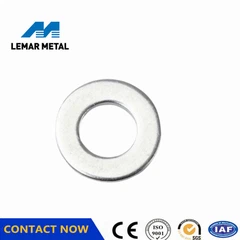
First things first, let's talk about what flat washers are and what they do. Flat washers are thin, flat discs with a hole in the middle. They're typically used to distribute the load of a threaded fastener, like a bolt or a nut, over a larger area. This helps prevent damage to the surface the fastener is being tightened against and can also improve the stability of the joint.
Flat washers come in a variety of materials, sizes, and finishes. Each type has its own unique properties and is suitable for different applications. So, how do you choose the right one? Let's break it down.
Material Matters
The material of the flat washer is one of the most important factors to consider. Different materials offer different levels of strength, corrosion resistance, and conductivity. Here are some of the most common materials used for flat washers:
- Carbon Steel Washers: Carbon steel is a popular choice for flat washers because it's strong, durable, and relatively inexpensive. Carbon Steel Washers are suitable for a wide range of applications, from general construction to automotive repair. However, carbon steel is prone to rust and corrosion, so it may need to be coated or treated to protect it.
- Galvanized Flat Washers: Galvanized flat washers are carbon steel washers that have been coated with a layer of zinc. This coating provides excellent corrosion resistance, making them ideal for outdoor or marine applications. Galvanized Flat Washers are also more resistant to rust than uncoated carbon steel washers.
- Brass Flat Washer: Brass is a non-ferrous metal that's known for its corrosion resistance, conductivity, and aesthetic appeal. Brass Flat Washer are often used in electrical applications, as well as in decorative or architectural projects. They're also more resistant to tarnish than other metals.
When choosing the material for your flat washer, consider the environment in which it will be used, the level of corrosion resistance required, and the strength and conductivity needs of your application.
Size and Thickness
The size and thickness of the flat washer are also important factors to consider. The size of the washer is typically determined by the diameter of the hole in the middle and the outer diameter of the washer. The thickness of the washer can affect its load-bearing capacity and the amount of space it takes up in the joint.
To choose the right size and thickness for your flat washer, you'll need to know the size of the fastener you're using and the size of the hole in the material you're fastening. You can usually find this information in the specifications for your project or by measuring the fastener and the hole.
In general, it's a good idea to choose a washer that's slightly larger in diameter than the head of the fastener. This will help distribute the load more evenly and prevent damage to the surface. The thickness of the washer should be chosen based on the amount of load it needs to support. Thicker washers are generally stronger and can support more weight, but they may also take up more space.
Finish and Coating
The finish and coating of the flat washer can also affect its performance and appearance. In addition to the galvanized coating mentioned earlier, there are several other finishes and coatings available for flat washers, including:


- Black Oxide: Black oxide is a chemical conversion coating that provides a black finish to the washer. It offers some corrosion resistance and can also help reduce friction between the washer and the fastener.
- Zinc Plating: Zinc plating is similar to galvanizing, but it's a thinner coating. It provides some corrosion resistance and is often used for decorative purposes.
- Chrome Plating: Chrome plating provides a shiny, decorative finish to the washer. It also offers some corrosion resistance, but it's not as durable as galvanizing or black oxide.
When choosing the finish and coating for your flat washer, consider the environment in which it will be used, the level of corrosion resistance required, and the aesthetic appeal you're looking for.
Application-Specific Considerations
Finally, it's important to consider the specific application for which you're using the flat washer. Different applications may require different types of washers. Here are some examples:
- Automotive Applications: In automotive applications, flat washers are often used to distribute the load of bolts and nuts and to prevent damage to the engine or other components. You'll want to choose a washer that's strong, durable, and resistant to corrosion.
- Electrical Applications: In electrical applications, flat washers are used to provide insulation and prevent electrical shorts. You'll want to choose a washer that's made of a non-conductive material, such as nylon or plastic.
- Construction Applications: In construction applications, flat washers are used to distribute the load of bolts and nuts and to prevent damage to the building materials. You'll want to choose a washer that's strong, durable, and resistant to corrosion.
By considering the specific application for which you're using the flat washer, you can choose the one that's best suited for your needs.
Conclusion
Choosing the right flat washer is an important decision that can affect the performance and longevity of your project. By considering the material, size, thickness, finish, and application-specific requirements, you can ensure that you get the best fit for your needs.
If you have any questions or need help choosing the right flat washer for your project, don't hesitate to reach out. As a flat washer supplier, I'm here to help you find the perfect solution. Whether you're working on a small DIY project or a large-scale industrial application, I have the expertise and the products to meet your needs.
So, what are you waiting for? Contact me today to discuss your flat washer requirements and let's get started on your project!
References
- Machinery's Handbook, 31st Edition
- Fastener Handbook, 2nd Edition
- ASME Standards for Fasteners
Send Inquiry