Lightweight Construction
One of the key advantages of using hollow rivets is their lightweight nature. Hollow rivets are typically made from lightweight materials such as aluminum or brass. This lightweight construction helps reduce the overall weight of the assembled product, making it particularly beneficial in industries such as aerospace and automotive, where weight reduction is crucial for fuel efficiency and performance.
Improved Strength-to-Weight Ratio
Despite their lightweight construction, hollow rivets offer an excellent strength-to-weight ratio. The tubular design allows them to distribute the applied load more efficiently across the joint, resulting in improved strength. This is especially important in industries such as construction and machinery, where the fasteners are subjected to high loads and stresses.
Enhanced Structural Integrity
Hollow rivets provide a secure and permanent means of joining materials together. When properly installed, they create a strong and reliable bond. The hollow design allows for a larger contact surface area between the rivet and the materials being joined, enhancing the structural integrity of the assembly. This advantage makes hollow rivets particularly suitable for applications where vibration or dynamic forces are present.
Flexibility in Design
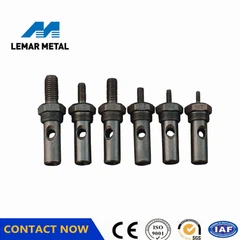
Due to their tubular nature, hollow riv offer a greater degree of flexibility in design compared to solid rivets. They can be manufactured in various lengths and diameters enabling manufacturers to choose the better suitable options for their specific application. Furthermore, hollow rivets can be countersunk or flush-mounted, allowing for aesthetically pleasing finishes without compromising functionality.
Ease of Installation
Another advantage of using hollow rivets is their ease of installation. The riveting process involves driving the rivet through the materials to be joined, and then flaring or clinching the end to form a secure joint. This can be done using simple hand tools or automated riveting machines, making it a cost-effective and efficient fastening method.