

What is the difference between different anchor bolt types?
Mar 30, 2026
Leave a message
Anchor bolts are essential components in various construction and engineering projects, providing a secure connection between structural elements and the foundation. As a professional anchor bolt supplier, I've witnessed firsthand the diverse requirements and applications of different anchor bolt types. In this blog post, I'll delve into the key differences between various anchor bolt types, helping you understand which one is best suited for your specific needs.
1. L Shaped Concrete Anchors
L Shaped Concrete Anchors are a popular choice in many construction scenarios. Their distinctive L - shaped design allows for a unique installation and load - bearing mechanism.
Design and Structure
The L - shape is formed by a horizontal and a vertical leg. The horizontal leg is typically embedded into the concrete, while the vertical leg protrudes out, providing a point for attachment. This shape gives it an advantage in applications where lateral stability is crucial.
Installation
Installing L - shaped concrete anchors is relatively straightforward. First, a hole is drilled in the concrete to the appropriate depth and diameter according to the anchor's specifications. The anchor is then inserted into the hole, and the horizontal leg is positioned firmly within the concrete. Once in place, the vertical leg can be used to attach other structural components, such as beams or columns.
Load - Bearing Capacity
The load - bearing capacity of L - shaped concrete anchors depends on several factors, including the size of the anchor, the strength of the concrete, and the depth of embedment. Generally, they can handle significant vertical and horizontal loads, making them suitable for applications like attaching steel frames to concrete foundations.
Applications
They are commonly used in building construction, especially for attaching structural steel members to concrete foundations. They are also used in industrial settings, such as in the installation of machinery bases where stability is of utmost importance.
2. Stainless Steel Anchor Bolt
Stainless Steel Anchor Bolt offers a unique set of advantages, primarily due to its material properties.
Material Properties
Stainless steel is known for its corrosion resistance. This is because it contains chromium, which forms a passive oxide layer on the surface of the bolt. This layer protects the bolt from rust and corrosion, even in harsh environments.
Durability
The corrosion - resistant nature of stainless steel anchor bolts significantly enhances their durability. In outdoor applications, where the bolts are exposed to moisture, rain, and other environmental factors, stainless steel bolts can last much longer than their counterparts made of other materials.
Aesthetic Appeal
In addition to their functional benefits, stainless steel anchor bolts also have an aesthetic appeal. Their shiny finish makes them a popular choice for architectural applications where the bolts are visible, such as in the construction of bridges or modern buildings.
Applications
Stainless steel anchor bolts are widely used in marine environments, where corrosion is a major concern. They are also used in food processing plants, pharmaceutical facilities, and other industries where hygiene and corrosion resistance are critical.
3. Hot DIP Galvanized Anchor Bolts
Hot DIP Galvanized Anchor Bolts are another type of anchor bolt with distinct characteristics.


Galvanization Process
Hot - dip galvanization is a process where the anchor bolts are dipped into a bath of molten zinc. This creates a thick, protective zinc coating on the surface of the bolt. The zinc coating acts as a sacrificial anode, corroding in place of the steel bolt.
Corrosion Resistance
The zinc coating provides excellent corrosion resistance. It can withstand exposure to moisture, chemicals, and other corrosive agents for an extended period. This makes hot - dip galvanized anchor bolts suitable for a wide range of outdoor and industrial applications.
Cost - Effectiveness
Compared to stainless steel anchor bolts, hot - dip galvanized anchor bolts are generally more cost - effective. They offer a good balance between cost and performance, making them a popular choice for many construction projects.
Applications
They are commonly used in infrastructure projects, such as building bridges, highways, and transmission towers. They are also used in agricultural and industrial buildings, where they need to withstand various environmental conditions.
Other Key Differences
Size and Thread Type
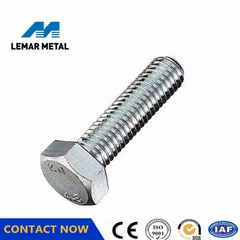
Anchor bolts come in a wide range of sizes, from small bolts used in light - duty applications to large bolts for heavy - duty structures. The thread type also varies, with common types including coarse threads and fine threads. Coarse threads are generally used in soft materials like wood, while fine threads are used in harder materials like concrete.
Installation Methods
Different anchor bolt types require different installation methods. For example, some anchor bolts are installed using a hammer and a setting tool, while others may require drilling and adhesive. The installation method can affect the speed and ease of installation, as well as the overall performance of the anchor bolt.
Load - Transfer Mechanisms
The way anchor bolts transfer loads is another important difference. Some anchor bolts rely on friction between the bolt and the surrounding material, while others use mechanical interlock or chemical bonding. Understanding the load - transfer mechanism is crucial for ensuring the safety and stability of the structure.
Choosing the Right Anchor Bolt
When selecting an anchor bolt for your project, several factors need to be considered.
Environmental Conditions
The environment in which the anchor bolt will be used is a critical factor. If the bolt will be exposed to high humidity, chemicals, or saltwater, a corrosion - resistant option like stainless steel or hot - dip galvanized anchor bolts is recommended.
Load Requirements
The magnitude and type of load that the anchor bolt needs to support should also be taken into account. For heavy - load applications, larger anchor bolts with high load - bearing capacities are required.
Structural Material
The material of the structure to which the anchor bolt will be attached is also important. Different materials have different properties, and the anchor bolt should be compatible with the structural material to ensure a secure connection.
Conclusion
In conclusion, understanding the differences between different anchor bolt types is essential for making informed decisions in construction and engineering projects. Whether you need the lateral stability of L Shaped Concrete Anchors, the corrosion resistance of Stainless Steel Anchor Bolt, or the cost - effectiveness of Hot DIP Galvanized Anchor Bolts, choosing the right anchor bolt is crucial for the safety and success of your project.
If you're in need of high - quality anchor bolts for your next project, I encourage you to reach out to our team. We have a wide range of anchor bolts available and can provide expert advice on the best type for your specific requirements. Contact us for a personalized consultation and let's work together to ensure your project is a success.
References
- Construction Materials and Methods, Tenth Edition, by Walter C. Hucks, Jr.
- Handbook of Civil Engineering Calculations, Fourth Edition, by Tyler G. Hicks
Send Inquiry