











Are all nuts tree nuts?
Sep 12, 2025
Leave a message
In the world of nuts, there's a common question that often arises: Are all nuts tree nuts? As a nut supplier, I've encountered this query numerous times from customers, whether they're consumers looking for a healthy snack or businesses seeking high - quality nuts for their products. Let's delve into this topic to gain a better understanding.
First, we need to clarify what we mean by "nuts" in different contexts. In a botanical sense, a true nut is a hard - shelled fruit that contains a single seed and does not open at maturity to release the seed. Examples of true nuts include chestnuts and hazelnuts. These nuts grow on trees, and they fit the strict botanical definition. Chestnuts, for instance, are enclosed in a spiky outer husk and have a hard, woody shell around the edible kernel. Hazelnuts grow in a leafy husk and have a hard shell protecting the nutmeat.
However, when we talk about nuts in a culinary or commercial context, the definition is much broader. Many foods that we commonly refer to as nuts are not actually true nuts botanically. Peanuts, for example, are legumes. They grow underground, unlike tree nuts that grow on trees. Peanuts develop in pods, similar to other legumes like beans and lentils. Despite this, peanuts are often grouped with nuts in grocery stores and food industries because of their similar taste, texture, and nutritional profile.
Another example is the Brazil nut. It comes from a large tree, but it's not a true nut either. Botanically, it's a seed. The Brazil nut tree produces large, spherical fruits that contain multiple Brazil nuts (seeds) inside. When the fruit falls to the ground and splits open, the individual Brazil nuts are released.
Almonds, which are extremely popular in the nut market, are also not true nuts. They are the seeds of a drupe fruit. A drupe is a fruit with an outer fleshy part surrounding a hard shell (endocarp) that contains the seed. In the case of almonds, the outer fleshy part is removed, and we are left with the hard - shelled almond "nut" which is actually the seed.
As a nut supplier, I deal with a wide variety of these so - called "nuts". Our product range includes not only the traditional tree - grown nuts like walnuts and pecans but also peanuts and almonds. We source our nuts from reliable growers around the world to ensure the highest quality.
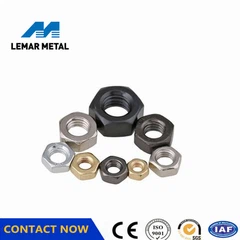
When it comes to the types of nuts, there are also different shapes and forms in the industrial world. For those in the manufacturing or mechanical industries, nuts have a completely different meaning. They are fasteners used to secure bolts and other threaded components. For example, Ball Knob Nut is a type of nut with a ball - shaped knob on top, which provides an easy grip for hand - tightening. Retaining Slotted Round Nuts are designed to hold parts in place and have slots for a retaining device to prevent loosening. Slotted Round Nuts DIN 1804 follow a specific standard (DIN 1804) and are used in various mechanical applications.
In the food industry, nuts are highly valued for their nutritional benefits. They are rich in healthy fats, protein, vitamins, and minerals. For example, walnuts are an excellent source of omega - 3 fatty acids, which are beneficial for heart health. Almonds are packed with vitamin E, an antioxidant that helps protect cells from damage. Peanuts are a good source of protein and niacin.
However, it's important to note that some people have nut allergies. Tree nut allergies and peanut allergies are among the most common food allergies. People with these allergies need to be extremely careful about the foods they consume, as even a small amount of nuts can trigger a severe allergic reaction. As a nut supplier, we take extra precautions to ensure proper labeling of our products to help allergic consumers make safe choices.
We also understand the importance of sustainability in nut production. Many of our growers follow sustainable farming practices, such as using natural fertilizers, conserving water, and protecting the environment. This not only ensures the long - term viability of nut production but also provides high - quality nuts for our customers.
If you're a business looking to source nuts for your products, whether it's for a snack food company, a bakery, or a confectionery business, we have the expertise and the product range to meet your needs. We can offer customized solutions based on your specific requirements, such as nut blends, roasted nuts, or nut butters.
For consumers, our nuts are available in various packaging sizes, from small snack packs to larger bulk quantities. Whether you're looking for a quick and healthy snack on - the - go or stocking up your pantry, we have the right option for you.


In conclusion, not all nuts are tree nuts. The term "nut" has different meanings in botanical, culinary, and industrial contexts. As a nut supplier, we offer a diverse range of nuts, both in the food and industrial sectors. We are committed to providing high - quality products, ensuring proper labeling for allergic consumers, and promoting sustainable nut production.
If you're interested in learning more about our nut products or would like to discuss a potential purchase, we encourage you to reach out. We're here to answer your questions and work with you to find the best nut solutions for your needs.
References
- "Botany: An Introduction to Plant Biology" by James D. Mauseth
- "The Nut Book: Everything You Need to Know About Nuts, Seeds, and Dried Fruits" by Rosamund Creasy
Send Inquiry