


What is the effect of thread quality on the performance of lock nuts?
Apr 02, 2026
Leave a message
What is the effect of thread quality on the performance of lock nuts?
As a lock nut supplier, I've witnessed firsthand the critical role that thread quality plays in the performance of lock nuts. Lock nuts are essential components in various industries, providing a reliable way to secure bolts and prevent them from loosening due to vibration, shock, or other external forces. The quality of the threads on a lock nut can significantly impact its ability to perform this function effectively.
Understanding Thread Quality
Thread quality encompasses several factors, including thread form, pitch, diameter, and surface finish. The thread form refers to the shape of the threads, such as V-shaped, square, or trapezoidal. The pitch is the distance between adjacent threads, while the diameter is the size of the thread. The surface finish of the threads can also affect their performance, as a smooth surface can reduce friction and wear.
In the context of lock nuts, the thread quality is particularly important because it determines the fit between the lock nut and the bolt. A proper fit ensures that the lock nut can be tightened securely onto the bolt, creating a strong and reliable connection. If the threads are of poor quality, the lock nut may not fit properly, leading to loosening or even failure of the connection.
Impact of Thread Quality on Lock Nut Performance
The quality of the threads on a lock nut can have a significant impact on its performance in several ways:
- Tightening and Loosening Torque: High-quality threads allow for consistent and accurate tightening and loosening torque. This means that the lock nut can be tightened to the specified torque value easily, ensuring a proper and secure connection. On the other hand, poor-quality threads may require more force to tighten, leading to over-tightening or stripping of the threads. Similarly, they may also make it difficult to loosen the lock nut when disassembly is required.
- Vibration Resistance: One of the primary functions of lock nuts is to resist vibration and prevent loosening. Good thread quality helps to maintain the locking force even under high levels of vibration. The precise fit between the lock nut and the bolt ensures that the threads interlock effectively, creating a self-locking mechanism. In contrast, poor-quality threads may not provide sufficient engagement, allowing the lock nut to loosen over time.
- Wear and Tear: Threads are subject to wear and tear during the tightening and loosening process. High-quality threads are more resistant to wear, as they have a smoother surface finish and better material properties. This means that the lock nut can be reused multiple times without significant degradation of its performance. Poor-quality threads, on the other hand, may wear out quickly, reducing the lifespan of the lock nut and increasing the risk of failure.
- Corrosion Resistance: In many applications, lock nuts are exposed to harsh environments that can cause corrosion. The quality of the threads can affect the corrosion resistance of the lock nut. Threads with a smooth surface finish are less likely to trap moisture and contaminants, which can lead to corrosion. Additionally, high-quality materials are often used in the manufacturing of lock nuts with good thread quality, providing better resistance to corrosion.
Examples of Lock Nuts and Their Thread Quality
To illustrate the importance of thread quality, let's take a look at some common types of lock nuts and how thread quality affects their performance:
- Pressing In Nut: Pressing In Nut is designed to be pressed into a pre-drilled hole in a workpiece. The quality of the threads on a pressing in nut is crucial for ensuring a tight and secure fit. If the threads are not properly formed or have a rough surface finish, the nut may not press in correctly, leading to a loose connection. High-quality pressing in nuts have precise threads that allow for easy installation and a reliable hold.
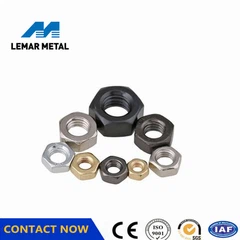
- Steel Hexagon Lock Nut: Steel Hexagon Lock Nut is a widely used type of lock nut in various industries. The thread quality of a steel hexagon lock nut determines its ability to resist vibration and prevent loosening. A well - made steel hexagon lock nut with high - quality threads will have a consistent pitch and diameter, ensuring a proper fit with the bolt. This results in a more secure connection and better performance under challenging conditions.
- Hexagon Counter Nut: Hexagon Counter Nut is often used in conjunction with a primary nut to provide additional locking force. The thread quality of the hexagon counter nut is essential for its effectiveness. If the threads are of poor quality, the counter nut may not be able to tighten properly against the primary nut, reducing its locking ability. High - quality hexagon counter nuts have smooth and precise threads that allow for easy adjustment and a strong locking action.
Ensuring High Thread Quality in Lock Nuts
As a lock nut supplier, we take several steps to ensure the high thread quality of our products:
- Material Selection: We carefully select high - quality materials for our lock nuts, such as stainless steel, carbon steel, or alloy steel. These materials have the necessary strength and durability to withstand the stresses and strains of the application. Additionally, they are less likely to corrode, which helps to maintain the integrity of the threads over time.
- Precision Manufacturing: We use advanced manufacturing techniques and equipment to produce lock nuts with precise thread dimensions. Computer - controlled machining processes ensure that the threads are formed accurately, with a consistent pitch and diameter. This results in a better fit between the lock nut and the bolt, improving the overall performance of the connection.
- Quality Control: We have a rigorous quality control process in place to inspect the thread quality of our lock nuts. This includes visual inspection, dimensional measurement, and functional testing. Any lock nuts that do not meet our strict quality standards are rejected, ensuring that only the highest - quality products are delivered to our customers.
Conclusion
In conclusion, the thread quality of lock nuts is a critical factor that can significantly impact their performance. High - quality threads ensure proper tightening and loosening torque, vibration resistance, wear and tear resistance, and corrosion resistance. As a lock nut supplier, we understand the importance of providing our customers with lock nuts that have excellent thread quality. By carefully selecting materials, using precision manufacturing techniques, and implementing strict quality control measures, we are able to offer lock nuts that meet the highest standards of performance and reliability.


If you are in need of high - quality lock nuts for your application, we invite you to contact us for a detailed discussion. Our team of experts can help you select the right type of lock nut based on your specific requirements and ensure that you get the best possible performance.
References
- "Mechanical Engineering Design" by Joseph E. Shigley, Charles R. Mischke, and Richard G. Budynas
- "Fasteners and Fixings Handbook" by Christopher Hoyle
Send Inquiry