


How do I prevent hex screws from loosening?
Sep 12, 2025
Leave a message
Hey there! As a supplier of hex screws, I've seen my fair share of issues when it comes to these little guys loosening up. It's a common problem that can lead to all sorts of headaches, from wobbly furniture to machinery malfunctions. So, in this blog post, I'm gonna share some tips on how you can prevent hex screws from loosening.
Understanding Why Hex Screws Loosen
Before we dive into the prevention methods, it's important to understand why hex screws loosen in the first place. There are a few main reasons:
- Vibration: This is one of the most common causes. When a machine or structure vibrates, it can cause the screw to gradually back out. For example, in a car engine, the constant vibrations can make hex screws loosen over time.
- Thermal Expansion and Contraction: Materials expand when heated and contract when cooled. If the materials the screw is holding together have different rates of thermal expansion, it can put stress on the screw and cause it to loosen.
- Incorrect Installation: If the screw isn't tightened properly during installation, it won't have the necessary grip to stay in place. This could be due to using the wrong tool or not applying enough torque.
Prevention Methods
1. Use Locking Washers
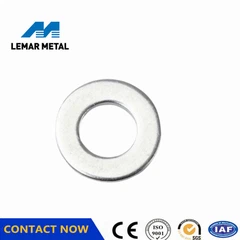
Locking washers are a great way to prevent hex screws from loosening. They work by creating tension between the screw head and the surface it's being tightened against. There are different types of locking washers, such as split washers and toothed washers.
Split washers are the most common type. They have a split in them that creates a spring-like effect when tightened. This spring force helps to keep the screw from backing out. Toothed washers, on the other hand, have teeth that dig into the surface and the screw head, providing additional grip.


2. Apply Thread Locking Adhesive
Thread locking adhesive, also known as threadlocker, is another effective solution. It's a liquid that you apply to the threads of the screw before installation. Once the screw is tightened, the adhesive cures and creates a strong bond between the screw and the nut or threaded hole.
There are different strengths of threadlocker available, so you can choose the one that's appropriate for your application. For light-duty applications, a low-strength threadlocker might be sufficient. For heavy-duty applications, a high-strength threadlocker is recommended.
3. Choose the Right Screw Size and Type
Using the right screw size and type is crucial for preventing loosening. Make sure the screw is the correct diameter and length for the application. A screw that's too short or too thin won't have enough grip, while a screw that's too long or too thick could cause damage to the materials.
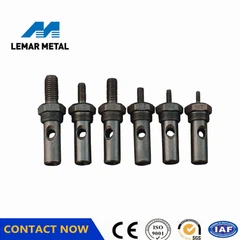
Also, consider the type of hex screw. For example, 12.9 Shoulder Screws are designed for applications where high strength and precision are required. They have a shoulder that provides additional support and helps to prevent the screw from loosening.
4. Proper Installation
As I mentioned earlier, incorrect installation is a major cause of screw loosening. To ensure proper installation, use the right tool. A hex key or an impact driver is typically used to tighten hex screws. Make sure the tool fits the screw head properly to avoid stripping the threads.
Apply the correct amount of torque when tightening the screw. You can use a torque wrench to measure the torque and ensure it's within the recommended range. Over-tightening the screw can damage the threads or the materials, while under-tightening can cause the screw to loosen.
5. Consider Using Self-Locking Screws
Self-locking screws are designed with features that prevent them from loosening. For example, some self-locking screws have a deformed thread that creates a friction fit when tightened. Others have a built-in locking mechanism, such as a nylon insert.
Flat Head Confirmat Screw is a type of self-locking screw that's commonly used in furniture assembly. It has a special thread design that provides a strong grip and helps to prevent loosening.
6. Check and Re-Tighten Regularly
Even if you've taken all the necessary precautions, it's still a good idea to check and re-tighten hex screws regularly. This is especially important in applications where there's a lot of vibration or movement. By checking the screws periodically, you can catch any loosening early and prevent further problems.
Conclusion
Preventing hex screws from loosening is essential for ensuring the safety and reliability of your equipment and structures. By using the methods I've discussed in this blog post, such as using locking washers, applying thread locking adhesive, choosing the right screw size and type, and ensuring proper installation, you can significantly reduce the risk of screw loosening.
If you're in the market for high-quality hex screws, we've got you covered. We offer a wide range of hex screws, including 12.9 Shoulder Screws, Flat Head Confirmat Screw, and Socket Head Shoulder Screws. If you have any questions or need help choosing the right screws for your application, feel free to reach out to us. We're here to assist you with your procurement needs and ensure you get the best products for your projects.
References
- Machinery's Handbook: A comprehensive reference book on mechanical engineering and manufacturing, which provides detailed information on screw installation and prevention of loosening.
- Fastener Technology: Various industry publications and research papers on fasteners, which offer insights into the latest technologies and best practices for preventing screw loosening.
Send Inquiry