

Can slotted nuts be used in oil and gas applications?
Mar 20, 2026
Leave a message
In the demanding and high - stakes world of oil and gas applications, every component plays a crucial role in ensuring the safety, efficiency, and reliability of operations. One such component that often comes under scrutiny for its suitability in these applications is the slotted nut. As a slotted nut supplier, I am frequently asked about the viability of using slotted nuts in oil and gas settings. In this blog, we will explore the technical aspects, advantages, and limitations of slotted nuts in oil and gas applications.

Technical Characteristics of Slotted Nuts
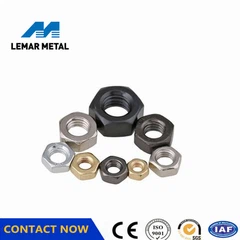
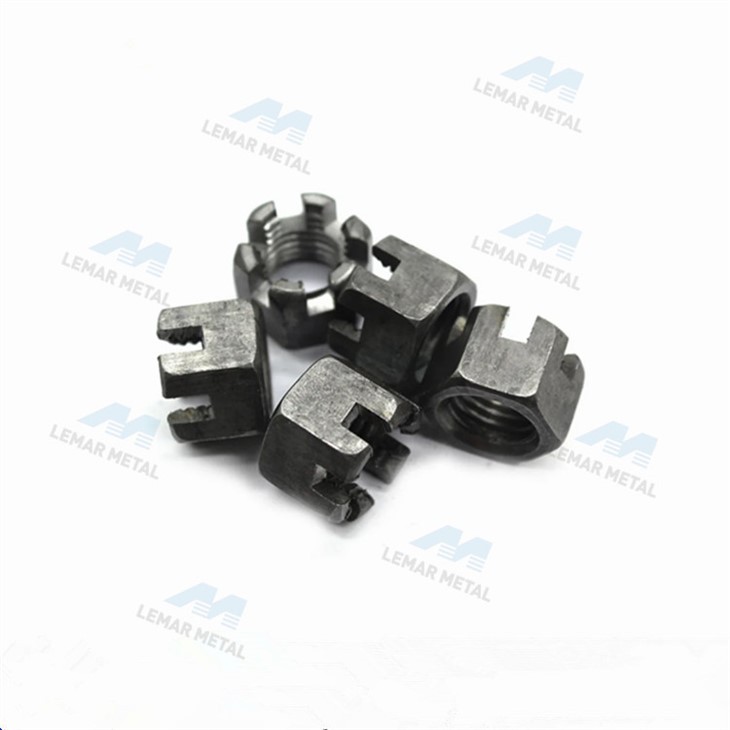
Slotted nuts, such as the Hex Slotted Castle Nut, Slotted Hex Nut, and Steel Hex Castle Nut, have distinct design features that set them apart from regular nuts. These nuts have slots cut into the top portion, which allow a cotter pin or a wire to be inserted through the hole in the bolt or stud. This mechanism serves as a locking device, preventing the nut from loosening due to vibration, shock, or other dynamic forces.
The materials used in manufacturing slotted nuts are also a critical factor. In oil and gas applications, where components are exposed to harsh environments, including high temperatures, corrosive chemicals, and extreme pressures, the choice of material is of utmost importance. Steel is a common material for slotted nuts, especially the Steel Hex Castle Nut, due to its strength and durability. However, depending on the specific requirements, other materials such as stainless steel or alloy steel may be used to enhance corrosion resistance.
Advantages of Using Slotted Nuts in Oil and Gas Applications
Safety and Reliability
Safety is the top priority in the oil and gas industry. Slotted nuts, with their locking feature, provide an additional layer of security. In equipment where a loose nut can lead to catastrophic failures, such as in drilling rigs, pipelines, and well - head installations, the use of slotted nuts can significantly reduce the risk of accidents. The cotter pin or wire inserted through the slots ensures that the nut remains firmly in place, even under the most severe operating conditions.
Ease of Installation and Inspection
Slotted nuts are relatively easy to install. The process of inserting a cotter pin or wire is straightforward and does not require specialized tools or extensive training. Additionally, the locking mechanism is visible, which makes it easy to inspect the nut's integrity during routine maintenance checks. This visibility allows for quick identification of any potential issues, such as a missing or damaged cotter pin, which can be addressed promptly to prevent further problems.
Cost - Effectiveness
Compared to some other locking mechanisms, slotted nuts are a cost - effective solution. The materials used in their manufacturing are widely available, and the production process is relatively simple. This makes slotted nuts an attractive option for oil and gas companies looking to balance cost and performance in their operations.
Limitations and Considerations
Corrosion
Although steel slotted nuts are durable, they are susceptible to corrosion in the harsh oil and gas environment. Corrosion can weaken the nut and the cotter pin, reducing their effectiveness as a locking mechanism. To mitigate this issue, proper coating and surface treatment can be applied to the nuts. For example, galvanization or epoxy coating can provide a protective layer against corrosion. However, in extremely corrosive environments, such as offshore platforms where saltwater is present, more advanced corrosion - resistant materials may be required.
Limited Load - Bearing Capacity
Slotted nuts may have a slightly lower load - bearing capacity compared to solid nuts of the same size. The slots in the nut reduce its cross - sectional area, which can affect its ability to withstand high axial loads. In applications where high loads are expected, careful consideration must be given to the selection of the appropriate nut size and material to ensure that the slotted nut can meet the load requirements.
Maintenance Requirements
While slotted nuts are easy to inspect, they do require regular maintenance. The cotter pins or wires need to be checked periodically for signs of wear, damage, or corrosion. If a cotter pin is found to be damaged, it must be replaced immediately to maintain the locking function of the nut. This additional maintenance requirement should be factored into the overall operational cost of using slotted nuts in oil and gas applications.
Case Studies
To illustrate the practical use of slotted nuts in oil and gas applications, let's consider a few case studies.
In a large - scale oil refinery, slotted nuts were used in the pipeline connections. Due to the continuous flow of hot and corrosive fluids, vibration was a significant issue. Regular nuts were prone to loosening, which could lead to leaks and potential safety hazards. By replacing the regular nuts with slotted nuts and installing cotter pins, the company was able to reduce the frequency of nut loosening incidents. This not only improved the safety of the refinery but also reduced maintenance costs associated with tightening and replacing loose nuts.
In an offshore drilling rig, Steel Hex Castle Nut were used in the mast structure. The rig was exposed to high winds, waves, and saltwater corrosion. The slotted nuts, with their locking feature and proper anti - corrosion coating, provided reliable performance. During routine inspections, it was found that the cotter pins were in good condition, and the nuts remained firmly tightened, ensuring the structural integrity of the mast.
Conclusion
In conclusion, slotted nuts can be used in oil and gas applications, but their use must be carefully evaluated based on the specific requirements of each application. The advantages of safety, ease of installation, and cost - effectiveness make them a viable option for many situations. However, the limitations of corrosion, limited load - bearing capacity, and maintenance requirements must be taken into account.
As a slotted nut supplier, we offer a wide range of slotted nuts, including Hex Slotted Castle Nut, Slotted Hex Nut, and Steel Hex Castle Nut, to meet the diverse needs of the oil and gas industry. If you are considering using slotted nuts in your oil and gas applications, we encourage you to contact us to discuss your specific requirements. Our team of experts can provide you with detailed information and technical support to help you make the right choice for your project.
References
- Machinery's Handbook, 31st Edition.
- API Standards for Bolting and Fastening in Oil and Gas Applications.
- Manufacturing Engineering and Technology, 6th Edition, by Serope Kalpakjian and Steven Schmid.
Send Inquiry