

How do you install a bolt in a plastic material?
Sep 24, 2025
Leave a message
Installing a bolt in a plastic material might seem like a straightforward task, but it requires careful consideration and the right approach to ensure a secure and long - lasting connection. As a bolts supplier, I've encountered numerous situations where customers were unsure about the best practices for such installations. In this blog post, I'll walk you through the step - by - step process of installing a bolt in plastic, share some tips and tricks, and introduce you to a great product in our range, the Antiluce Drop Lock.
Understanding Plastic Materials
Before you start installing a bolt, it's crucial to understand the type of plastic you're working with. Different plastics have varying properties such as hardness, brittleness, and chemical resistance. For example, polyethylene is a relatively soft and flexible plastic, while polycarbonate is much harder and more rigid. The type of plastic will influence the choice of bolt and the installation method.
Soft plastics are more likely to deform under pressure, so you need to be careful not to overtighten the bolt. Hard plastics, on the other hand, may crack if you drill the hole too small or use too much force during installation. You can usually identify the type of plastic by looking for recycling symbols or checking the product specifications if it's a manufactured item.
Selecting the Right Bolt
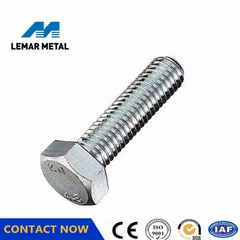
The choice of bolt is critical for a successful installation in plastic. You need to consider factors such as the bolt's diameter, length, and material. For plastic materials, it's generally recommended to use bolts with a relatively small diameter to minimize the risk of cracking the plastic. A bolt with a coarse thread can also provide better grip in plastic compared to a fine - threaded bolt.
In terms of material, stainless steel bolts are a popular choice as they are corrosion - resistant and have good strength. However, if the plastic is in a non - corrosive environment and weight is a concern, you might consider using aluminum bolts, which are lighter.
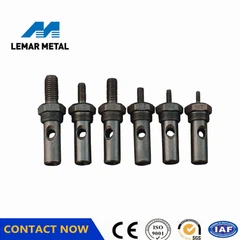
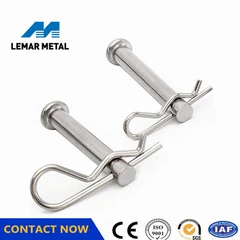
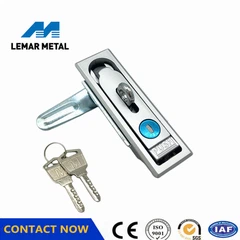
Our Antiluce Drop Lock is an excellent option for plastic installations. It has a unique locking mechanism that provides a secure hold, even in soft plastics. The design of the Antiluce Drop Lock reduces the risk of the bolt loosening over time, which is especially important in applications where vibration is present.
Preparing the Plastic Surface
The first step in installing a bolt in plastic is to prepare the surface. Start by cleaning the area where the bolt will be installed. Remove any dirt, grease, or debris using a mild detergent and a clean cloth. This will ensure a good bond between the bolt and the plastic.
Next, mark the location where you want to drill the hole. Use a ruler and a pencil to make accurate markings. It's important to ensure that the hole is centered and perpendicular to the surface of the plastic. If the hole is off - center or at an angle, the bolt may not install correctly, and it could cause stress on the plastic, leading to cracking.
Drilling the Hole
Drilling the hole is a critical step in the installation process. You need to use the right drill bit and drilling speed to avoid damaging the plastic. For most plastics, a standard twist drill bit will work, but make sure it's sharp. A dull drill bit can generate more heat, which can melt or deform the plastic.
The diameter of the drill bit should be slightly smaller than the diameter of the bolt. This will allow the bolt to create a tight fit in the hole. As a general rule, for a 6mm bolt, you might use a 5mm drill bit. However, it's always a good idea to check the manufacturer's recommendations for the specific plastic and bolt you're using.
When drilling, use a slow speed to prevent overheating. Apply gentle pressure and let the drill bit do the work. If you feel the plastic starting to melt or the drill bit getting stuck, stop immediately and let the plastic cool down. You may also need to lubricate the drill bit with a small amount of cutting fluid to reduce friction.
Inserting the Bolt
Once the hole is drilled, it's time to insert the bolt. Carefully place the bolt into the hole and start turning it clockwise by hand. If the bolt doesn't turn easily, it may be because the hole is too small. In this case, you can use a reamer to slightly enlarge the hole.


As you turn the bolt, you should feel some resistance, but it should turn smoothly. Avoid using excessive force at this stage, as it could damage the plastic. If the bolt is difficult to turn, it's better to stop and check if there are any obstructions in the hole or if the hole is drilled at the correct angle.
Tightening the Bolt
Tightening the bolt is the final step in the installation process. Use a wrench or a screwdriver to tighten the bolt gradually. It's important not to overtighten the bolt, especially in plastic materials. Over - tightening can cause the plastic to crack or deform, which will weaken the connection.
A good way to determine the right amount of tightness is to use a torque wrench. A torque wrench allows you to apply a specific amount of force to the bolt, ensuring that it's tightened to the correct specification. For plastic materials, the torque value will depend on the type of plastic, the size of the bolt, and the application.
Tips and Tricks
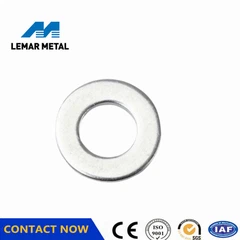
- Use a washer: Placing a washer between the bolt head and the plastic surface can distribute the pressure more evenly, reducing the risk of the plastic cracking.
- Test the installation: After installing the bolt, give it a gentle tug to check if it's secure. If it feels loose, you may need to tighten it a little more.
- Consider using a thread - locking compound: In applications where vibration is a concern, applying a thread - locking compound to the bolt threads can help prevent the bolt from loosening over time.
Conclusion
Installing a bolt in a plastic material requires careful planning and the right techniques. By understanding the properties of the plastic, selecting the right bolt, and following the proper installation steps, you can ensure a secure and long - lasting connection. Our Antiluce Drop Lock is a great option for plastic installations, offering a reliable locking mechanism.
If you're in the market for high - quality bolts for your plastic applications, we'd love to hear from you. We have a wide range of bolts to suit different needs and budgets. Whether you're a DIY enthusiast or a professional contractor, we can provide you with the right products and advice. Contact us to start a procurement discussion, and let's find the perfect bolts for your project.
References
- "Plastic Materials and Their Properties" - A comprehensive guide on different types of plastics and their characteristics.
- "Bolt Installation Best Practices" - A technical manual providing guidelines for installing bolts in various materials.
Send Inquiry