



Can flange nuts be used in medical equipment?
Jun 17, 2026
Leave a message
Hey there! As a flange nut supplier, I often get asked if flange nuts can be used in medical equipment. It's a great question, and today, I'm gonna break it down for you.
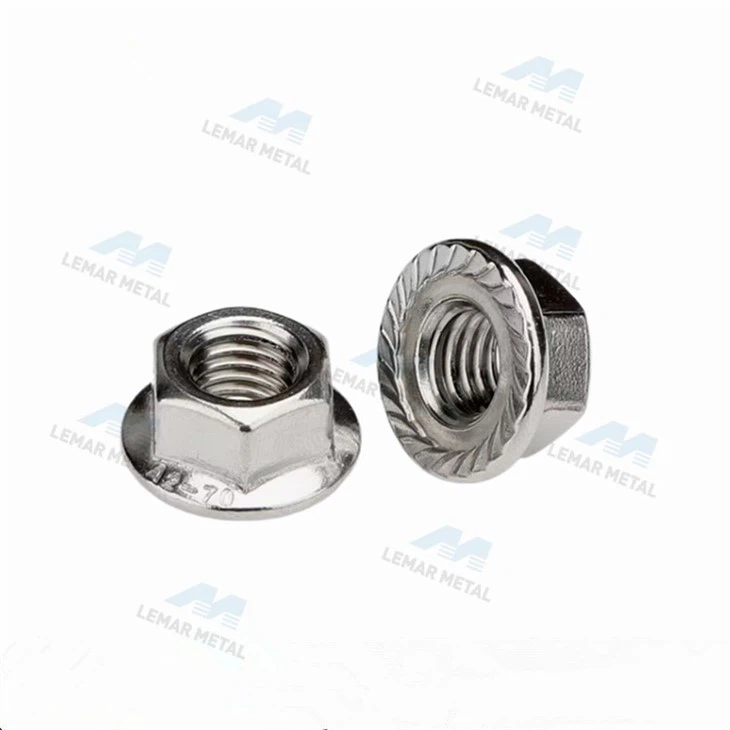
Let's start with what flange nuts are. Flange nuts are basically nuts with a wide flange at one end. This flange acts like a washer, distributing the load over a larger area and preventing the nut from loosening. There are different types, like the Steel Serrated Hex Flange Nut, Slip Locking Lock Nut, and Hex Serrated Flange Nut. Each type has its own unique features and advantages.

Now, when it comes to medical equipment, there are some really strict requirements. Medical devices need to be safe, reliable, and precise. They have to meet all sorts of regulations and standards to ensure they don't pose any risks to patients. So, can flange nuts fit the bill?
One of the key factors is the material. In medical applications, materials need to be biocompatible, which means they won't cause any adverse reactions when they come into contact with the human body. Stainless steel is a popular choice for flange nuts in medical equipment because it's corrosion - resistant and has good mechanical properties. It can withstand the harsh environments often found in medical settings, like exposure to disinfectants and cleaning agents.
Another important aspect is the precision of the nuts. Medical equipment often requires very accurate assembly. Flange nuts need to have tight tolerances to ensure a proper fit. A loose or misaligned nut could lead to malfunctions in the equipment, which is a big no - no in the medical field. Our flange nuts are manufactured with high - precision machining processes to meet these exacting standards.
The locking mechanism of flange nuts is also crucial. In medical equipment, you don't want the nuts to come loose during operation. That's where the serrated design, like in the Steel Serrated Hex Flange Nut, comes in handy. The serrations grip the surface they're tightened against, providing extra resistance to vibration and loosening. This is especially important in equipment that experiences a lot of movement or vibration, such as surgical robots or diagnostic machines.
But it's not all smooth sailing. There are some challenges when using flange nuts in medical equipment. For example, the cost can be a factor. High - quality, medical - grade flange nuts can be more expensive than regular nuts. However, considering the importance of safety and reliability in medical applications, the extra cost is often justified.
Also, the design of the medical equipment itself needs to be compatible with the flange nuts. The equipment's engineers need to take into account the size, shape, and installation requirements of the nuts during the design phase. Otherwise, there could be issues with assembly or functionality.
In some cases, flange nuts may need to be customized for specific medical equipment. This could involve special coatings to enhance biocompatibility or unique shapes to fit into tight spaces. As a supplier, we have the capabilities to work with medical device manufacturers to develop custom flange nuts that meet their exact needs.
Now, let's talk about the benefits of using flange nuts in medical equipment. First of all, they improve the overall stability of the equipment. By distributing the load evenly, they reduce the stress on the components, which can extend the lifespan of the equipment. This is not only good for the patients but also for the bottom line of the medical facilities, as they won't have to replace equipment as often.
Secondly, the locking feature of flange nuts helps prevent accidents. Loose nuts can cause parts to come apart, which could lead to serious injuries or even endanger the patient's life. Using reliable flange nuts adds an extra layer of safety.
In addition, flange nuts can simplify the assembly process. Since they have an integrated washer, there's no need to separately install a washer, which saves time and reduces the risk of assembly errors.
So, to answer the question, yes, flange nuts can definitely be used in medical equipment. But it's important to choose the right type of flange nut, made from the appropriate material, and ensure it meets all the necessary standards.
If you're in the medical equipment manufacturing business and are looking for high - quality flange nuts, we'd love to have a chat. We can provide you with samples, discuss your specific requirements, and offer competitive pricing. Whether you need standard flange nuts or custom - made ones, we've got you covered.
Contact us today to start the conversation and see how our flange nuts can enhance the safety and performance of your medical equipment.
Send Inquiry