

How do you remove a stuck bolt?
Aug 06, 2025
Leave a message
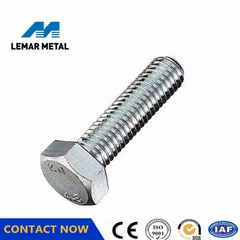
Hey there! I'm a supplier of bolts, and I know firsthand how frustrating it can be to deal with a stuck bolt. Whether you're a DIY enthusiast working on a home project or a professional mechanic in a busy shop, a stuck bolt can throw a major wrench in your plans. But don't worry, I've got some tried-and-true methods to help you remove that stubborn bolt and get back to work.
Understanding Why Bolts Get Stuck
Before we dive into the removal methods, it's important to understand why bolts get stuck in the first place. There are several common reasons:
- Rust and Corrosion: Over time, exposure to moisture and oxygen can cause bolts to rust and corrode. This can create a strong bond between the bolt and the surrounding material, making it difficult to turn.
- Over-Tightening: If a bolt is tightened too much, it can become seized in place. This is especially common in high-stress applications where excessive torque is applied.
- Dirt and Debris: Dirt, grime, and other debris can accumulate around a bolt, preventing it from turning freely. This is often the case in outdoor or industrial environments.
- Thread Damage: If the threads on the bolt or the nut are damaged, it can make it difficult to turn the bolt. This can happen due to improper installation, wear and tear, or other factors.
Methods for Removing a Stuck Bolt
Now that we know why bolts get stuck, let's take a look at some methods for removing them.
1. Apply Penetrating Oil
Penetrating oil is a great first step in removing a stuck bolt. It works by seeping into the threads and breaking down the rust and corrosion that's holding the bolt in place. Here's how to use it:
- Clean the Area: Before applying the penetrating oil, use a wire brush or a cloth to clean the area around the bolt. This will help the oil penetrate more effectively.
- Apply the Oil: Spray or drip the penetrating oil onto the bolt and let it sit for at least 15-30 minutes. For really stubborn bolts, you may need to let it sit overnight.
- Try to Loosen the Bolt: After the oil has had time to work, use a wrench or a socket to try to loosen the bolt. Apply steady, even pressure in a counterclockwise direction. If the bolt still won't budge, you can try tapping the wrench gently with a hammer to help break the bond.
Some popular penetrating oils include WD-40, PB Blaster, and Liquid Wrench.
2. Use Heat
Applying heat to a stuck bolt can cause it to expand, which can help break the bond between the bolt and the surrounding material. Here's how to use heat safely:
- Use a Torch: A propane torch is a common tool for heating bolts. Hold the torch about an inch away from the bolt and move it in a circular motion to heat the bolt evenly. Be careful not to overheat the bolt or the surrounding material, as this can cause damage.
- Let the Bolt Cool: After heating the bolt, let it cool down for a few minutes. As the bolt cools, it will contract, which can help loosen it.
- Try to Loosen the Bolt: Once the bolt has cooled, use a wrench or a socket to try to loosen it.
It's important to note that using heat can be dangerous, so make sure you take proper safety precautions. Wear protective gloves and eyewear, and keep a fire extinguisher nearby.
3. Use a Bolt Extractor
If the above methods don't work, you may need to use a bolt extractor. A bolt extractor is a special tool that's designed to grip the inside of a damaged or stuck bolt and turn it counterclockwise. Here's how to use a bolt extractor:
- Drill a Hole: Use a drill bit that's slightly smaller than the size of the bolt extractor to drill a hole in the center of the bolt. Make sure the hole is straight and deep enough to accommodate the extractor.
- Insert the Extractor: Insert the bolt extractor into the hole and turn it counterclockwise using a wrench or a socket. The extractor will grip the inside of the bolt and help you loosen it.
Bolt extractors come in different sizes and styles, so make sure you choose the right one for your bolt.
4. Use an Impact Wrench
An impact wrench is a powerful tool that can deliver a high amount of torque in a short period of time. This can be very effective for removing stuck bolts. Here's how to use an impact wrench:
- Choose the Right Socket: Make sure you choose a socket that's the right size for the bolt.
- Attach the Socket to the Impact Wrench: Attach the socket to the impact wrench and make sure it's secure.
- Apply the Impact Wrench: Place the socket over the bolt and apply the impact wrench. The wrench will deliver a series of rapid impacts that can help break the bond between the bolt and the surrounding material.
Impact wrenches can be dangerous, so make sure you read the manufacturer's instructions carefully and wear protective gear.
Preventing Bolts from Getting Stuck
Of course, the best way to deal with stuck bolts is to prevent them from getting stuck in the first place. Here are some tips to help you prevent bolts from getting stuck:
- Use Anti-Seize Compound: Anti-seize compound is a lubricant that can help prevent rust and corrosion from forming on bolts. Apply a small amount of anti-seize compound to the threads of the bolt before installing it.
- Tighten Bolts Properly: Make sure you tighten bolts to the proper torque specification. Over-tightening can cause bolts to become seized in place, while under-tightening can cause them to loosen over time.
- Keep Bolts Clean: Regularly clean the bolts and the surrounding area to prevent dirt and debris from accumulating.
- Inspect Bolts Regularly: Check the bolts for signs of rust, corrosion, or damage on a regular basis. If you notice any problems, replace the bolts as soon as possible.
Our Bolts and the Antiluce Drop Lock
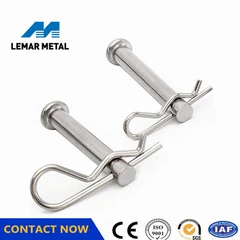
As a bolts supplier, we offer a wide range of high-quality bolts to meet your needs. One of our popular products is the Antiluce Drop Lock. This innovative bolt is designed to provide a secure and reliable connection, even in high-stress applications.
The Antiluce Drop Lock features a unique locking mechanism that prevents the bolt from loosening due to vibration or other factors. This makes it ideal for use in automotive, industrial, and other applications where safety and reliability are critical.
If you're looking for a high-quality bolt that's easy to install and maintain, the Antiluce Drop Lock is a great choice. Contact us today to learn more about our products and how we can help you with your bolt needs.


Conclusion
Removing a stuck bolt can be a challenging task, but with the right tools and techniques, it's definitely possible. Whether you're dealing with rust, corrosion, over-tightening, or other issues, there's a solution out there for you.
As a bolts supplier, we're committed to providing our customers with high-quality products and expert advice. If you have any questions or need help with your bolt needs, don't hesitate to contact us. We're here to help you get the job done right.
References
- "How to Remove a Stuck Bolt." Family Handyman, https://www.familyhandyman.com/article/how-to-remove-a-stuck-bolt/.
- "5 Ways to Remove a Stuck Bolt." Popular Mechanics, https://www.popularmechanics.com/home/how-to/a19343/5-ways-to-remove-a-stuck-bolt/.
- "Removing Stuck Bolts: Tips and Tricks." DIY Network, https://www.diynetwork.com/how-to/skills-and-know-how/tools/removing-stuck-bolts-tips-and-tricks.
Send Inquiry