


Are hex screws suitable for high - temperature applications?
May 22, 2026
Leave a message
Hey there! As a hex screws supplier, I get asked a lot of questions about the applications of our products. One of the most common questions is whether hex screws are suitable for high - temperature applications. Let's dig into this topic and find out.
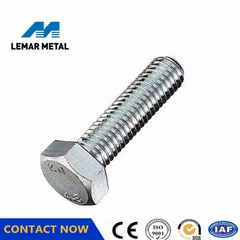
First off, what are hex screws? Hex screws, also known as hexagon socket head cap screws, are fasteners with a hexagonal socket in the head. They're super popular because they offer a high - torque application, which means they can be tightened really well. You can find them in all sorts of sizes and materials, like stainless steel, carbon steel, and alloy steel.
Now, let's talk about high - temperature applications. High - temperature environments can be found in a variety of industries, such as automotive, aerospace, and manufacturing. In these settings, temperatures can soar well above normal levels, sometimes reaching hundreds or even thousands of degrees Celsius. So, the big question is, can hex screws handle these extreme conditions?
The answer is, it depends. The suitability of hex screws for high - temperature applications largely depends on the material they're made of.
Stainless Steel Hex Screws
Stainless steel is a common material for hex screws. It's known for its corrosion resistance and strength. But when it comes to high - temperature applications, not all stainless steels are created equal. Austenitic stainless steels, like 304 and 316, are widely used. They can withstand temperatures up to around 800 - 900°C. However, at very high temperatures, their strength can start to degrade. The chromium in the stainless steel forms a protective oxide layer, but at extremely high temperatures, this layer can break down, leading to oxidation and a loss of mechanical properties.
Carbon Steel Hex Screws
Carbon steel hex screws are another option. They're generally stronger than stainless steel in terms of sheer strength. But carbon steel is more prone to corrosion, especially in high - temperature and high - humidity environments. At high temperatures, carbon steel can undergo a process called decarburization, where the carbon in the steel is removed. This can lead to a decrease in hardness and strength. However, if the carbon steel is properly heat - treated and protected, it can be used in high - temperature applications up to around 500 - 600°C.
Alloy Steel Hex Screws
Alloy steel hex screws are often the go - to choice for high - temperature applications. They're made by adding various alloying elements, such as chromium, nickel, and molybdenum, to the steel. These elements enhance the steel's properties, including its high - temperature strength and resistance to oxidation. Some alloy steels can withstand temperatures well above 1000°C. For example, Inconel, a type of nickel - based alloy steel, is known for its excellent high - temperature performance and is often used in aerospace and power generation industries.
Our Product Range
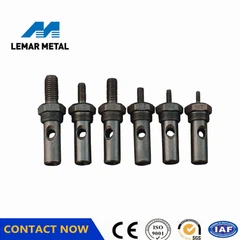
We offer a wide range of hex screws suitable for different applications, including high - temperature ones. Check out our Steel Confirmat Screw. It's made of high - quality steel and can handle a fair amount of heat. If you're looking for a more specialized option, our Round Head Hexagon Socket Screw is a great choice. It's designed for precision applications and can be used in high - temperature settings with the right material selection. And for those really tough jobs, our Hex Socket Shoulder Screw is built to last, even in extreme heat.
Factors to Consider
When choosing hex screws for high - temperature applications, there are a few other factors to keep in mind.
Thermal Expansion
Different materials expand at different rates when heated. If the hex screw and the material it's being used with have significantly different thermal expansion coefficients, it can lead to problems. For example, the screw might loosen or cause stress on the surrounding material. So, it's important to choose a screw material that has a similar thermal expansion coefficient to the material it will be used with.
Oxidation and Corrosion
As mentioned earlier, high temperatures can accelerate oxidation and corrosion. You need to make sure the hex screw has good resistance to these processes. Some screws can be coated with special materials to enhance their corrosion resistance in high - temperature environments.
Load - Bearing Capacity
High temperatures can also affect the load - bearing capacity of the hex screw. As the temperature rises, the strength of the screw may decrease. You need to calculate the maximum load the screw will need to bear at the expected operating temperature and choose a screw that can handle it.


Conclusion
So, are hex screws suitable for high - temperature applications? The answer is yes, but it all boils down to the material and the specific requirements of the application. With the right material selection and proper consideration of factors like thermal expansion, oxidation, and load - bearing capacity, hex screws can perform well in high - temperature environments.
If you're in the market for hex screws for high - temperature applications, we're here to help. We have a team of experts who can guide you through the selection process and ensure you get the right product for your needs. Whether it's for a small DIY project or a large - scale industrial application, we've got you covered. Reach out to us to start a discussion about your hex screw requirements.
References
- ASM Handbook Volume 1: Properties and Selection: Irons, Steels, and High - Performance Alloys
- Machinery's Handbook, 31st Edition
Send Inquiry