






How to adjust the tightness of a hexagon nut?
Sep 15, 2025
Leave a message
Adjusting the tightness of a hexagon nut is a fundamental skill in various industries, from construction to automotive repair. As a leading supplier of hexagon nuts, we understand the importance of getting this right. In this blog post, we'll guide you through the process of adjusting the tightness of a hexagon nut, ensuring that your projects are both safe and efficient.
Understanding Hexagon Nuts
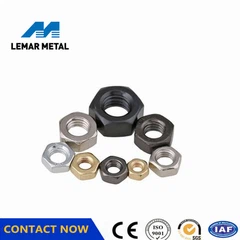
Before we dive into the adjustment process, let's briefly understand what hexagon nuts are. Hexagon nuts, as the name suggests, have a hexagonal shape with internal threads. They are used in conjunction with bolts or screws to fasten two or more objects together. At our company, we offer a wide range of hexagon nuts, including Stainless Steel Hexagon Lock Nut, Iron Hexagon Nut, and Hex Nut PVC. Each type has its own unique properties and applications, so it's important to choose the right one for your specific needs.
Tools Required
To adjust the tightness of a hexagon nut, you'll need a few basic tools:
- Wrench: A wrench is the most common tool used for tightening or loosening hexagon nuts. There are several types of wrenches available, including open-end wrenches, box-end wrenches, and adjustable wrenches. Choose the type that best suits your needs and the size of the nut.
- Torque Wrench: A torque wrench is a specialized tool that allows you to apply a specific amount of torque to the nut. This is important when you need to ensure that the nut is tightened to a precise specification. Torque wrenches are commonly used in automotive and machinery applications.
- Socket Set: A socket set consists of a variety of sockets in different sizes, which can be used with a ratchet or breaker bar to tighten or loosen nuts. Socket sets are versatile and can be used in a wide range of applications.
Step-by-Step Guide to Adjusting the Tightness of a Hexagon Nut
Now that you have the necessary tools, let's walk through the process of adjusting the tightness of a hexagon nut:
- Identify the Nut: First, identify the hexagon nut that needs to be adjusted. Make sure you have the correct size and type of wrench or socket for the nut.
- Position the Wrench or Socket: Place the wrench or socket over the nut, ensuring that it fits securely. If using a socket, attach it to the ratchet or breaker bar.
- Turn the Wrench or Socket: To tighten the nut, turn the wrench or socket clockwise. To loosen the nut, turn it counterclockwise. Apply steady pressure to the wrench or socket, and avoid using excessive force, as this can damage the nut or the surrounding components.
- Check the Tightness: Once you have tightened or loosened the nut to the desired level, check the tightness by trying to turn it slightly in the opposite direction. If the nut moves easily, it may not be tight enough. If it is difficult to turn, it may be over-tightened.
- Use a Torque Wrench (Optional): If you need to ensure that the nut is tightened to a specific torque specification, use a torque wrench. Set the torque wrench to the desired torque value, and then use it to tighten the nut until the wrench clicks, indicating that the correct torque has been reached.
Tips for Adjusting the Tightness of a Hexagon Nut
Here are some additional tips to help you adjust the tightness of a hexagon nut effectively:


- Use the Right Tool: Make sure you use the correct size and type of wrench or socket for the nut. Using the wrong tool can damage the nut or the surrounding components.
- Apply Steady Pressure: When tightening or loosening the nut, apply steady pressure to the wrench or socket. Avoid using sudden or jerky movements, as this can cause the nut to strip or the tool to slip.
- Check for Alignment: Before tightening the nut, make sure that the bolt or screw is properly aligned with the hole in the object being fastened. Misalignment can cause the nut to bind or strip.
- Lubricate the Threads: If the nut is difficult to turn, you can try lubricating the threads with a small amount of oil or grease. This can help reduce friction and make it easier to tighten or loosen the nut.
- Be Careful with Over-Tightening: Over-tightening a hexagon nut can cause damage to the nut, the bolt or screw, or the surrounding components. It can also lead to stress fractures or other structural problems. Always follow the manufacturer's recommended torque specifications.
Common Problems and Solutions
Here are some common problems that you may encounter when adjusting the tightness of a hexagon nut, along with their solutions:
- Stripped Threads: If the threads on the nut or the bolt or screw are stripped, the nut may not tighten properly or may come loose easily. To fix this problem, you may need to replace the nut or the bolt or screw.
- Rust or Corrosion: Rust or corrosion can make it difficult to turn the nut or cause it to seize. To remove rust or corrosion, you can use a wire brush or a rust remover. If the rust or corrosion is severe, you may need to replace the nut.
- Cross-Threading: Cross-threading occurs when the nut is started at an angle and the threads do not align properly. This can cause the nut to bind or strip. To avoid cross-threading, make sure that the nut is started straight and that the threads are aligned before tightening.
- Loose Nut: If the nut keeps coming loose, it may not be tightened enough or there may be a problem with the mating surface. To fix this problem, tighten the nut to the correct torque specification and check the mating surface for damage or debris.
Conclusion
Adjusting the tightness of a hexagon nut is a simple but important task that requires the right tools and techniques. By following the steps outlined in this blog post and using the tips and solutions provided, you can ensure that your hexagon nuts are tightened to the correct specification and that your projects are safe and efficient. If you have any questions or need further assistance, please don't hesitate to contact us. We're here to help you find the right hexagon nuts for your needs and to provide you with the support and guidance you need to get the job done right.
References
- Machinery's Handbook, 31st Edition
- Automotive Repair Manuals
- Industrial Fastener Institute (IFI) Standards
Send Inquiry