

How to ensure the quality of weld nuts during welding?
Jul 01, 2026
Leave a message
As a seasoned weld nut supplier, I understand the critical role that weld nuts play in various industries. From automotive manufacturing to construction, the reliability of weld nuts is paramount for the structural integrity of the final product. In this blog post, I will share some insights and best practices on how to ensure the quality of weld nuts during the welding process.
Understanding Weld Nuts
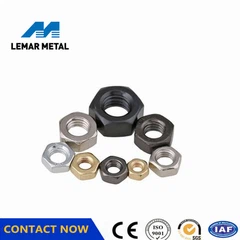
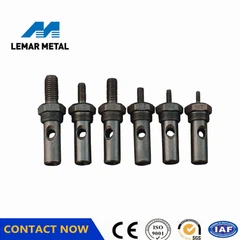
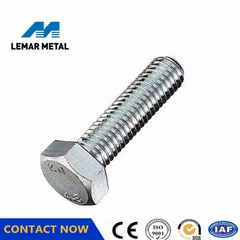
Before delving into the quality control measures, it's essential to understand the different types of weld nuts available in the market. At our company, we offer a wide range of weld nuts, including Hex Weld Nut, Steel Weld Nut, and DIN929 Hex Weld Nut. Each type has its unique characteristics and applications, and choosing the right one for your project is the first step towards ensuring quality.
Hex weld nuts are one of the most common types, featuring a hexagonal shape that provides a secure grip when tightened. They are widely used in applications where a high level of torque is required. Steel weld nuts, on the other hand, are made from stainless steel, offering excellent corrosion resistance and durability. They are often used in outdoor or high-moisture environments. DIN929 hex weld nuts are designed to meet the German Industrial Standard (DIN) and are known for their precise dimensions and high-quality finish.
Pre-Welding Preparation
The quality of the welding process starts long before the actual welding takes place. Proper pre-welding preparation is crucial for ensuring a strong and reliable weld. Here are some key steps to follow:
Material Selection
Choose the right type of weld nut for your application. Consider factors such as the material of the base metal, the required strength, and the environmental conditions. Make sure the weld nut is compatible with the base metal to avoid issues such as galvanic corrosion.
Surface Preparation
Clean the surface of the base metal and the weld nut thoroughly to remove any dirt, oil, rust, or other contaminants. A clean surface ensures better adhesion and a more consistent weld. You can use a wire brush, sandpaper, or a chemical cleaner to prepare the surface.
Fixturing
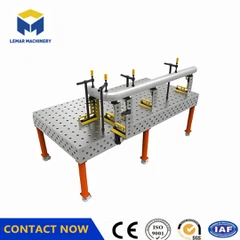
Use proper fixturing to hold the weld nut in place during the welding process. This helps to ensure accurate alignment and prevents the nut from moving or shifting, which can result in a poor-quality weld. Make sure the fixturing is secure and stable.
Welding Equipment
Select the appropriate welding equipment for the job. The type of welding process (e.g., resistance welding, arc welding) and the size and thickness of the weld nut will determine the equipment needed. Ensure that the welding equipment is in good working condition and properly calibrated.
Welding Process Control
Once the pre-welding preparation is complete, it's time to start the welding process. Here are some important factors to consider for ensuring the quality of the weld:
Welding Parameters
Set the correct welding parameters, such as current, voltage, time, and pressure, based on the type of weld nut, the base metal, and the welding process. These parameters have a significant impact on the quality of the weld. Too much current or pressure can cause overheating, distortion, or even damage to the weld nut and the base metal, while too little can result in a weak or incomplete weld.
Welding Technique
Use the proper welding technique to ensure a consistent and high-quality weld. This includes maintaining the correct electrode angle, travel speed, and arc length. Follow the manufacturer's recommendations for the specific welding process and equipment being used.
Weld Inspection
Inspect the weld immediately after it is completed to check for any visible defects, such as cracks, porosity, or incomplete fusion. Use non-destructive testing methods, such as visual inspection, ultrasonic testing, or X-ray inspection, to detect any internal defects that may not be visible to the naked eye.
Post-Welding Treatment
After the welding is complete, it's important to perform some post-welding treatments to improve the quality and durability of the weld. Here are some common post-welding treatments:
Heat Treatment
Heat treatment can help to relieve residual stresses in the weld and improve its mechanical properties. This may involve annealing, tempering, or quenching, depending on the type of material and the specific requirements of the application.
Surface Finishing
Apply a surface finish to the weld nut and the surrounding area to protect it from corrosion and improve its appearance. This can include painting, plating, or powder coating.
Quality Assurance Testing
Conduct additional quality assurance testing, such as torque testing, pull testing, or hardness testing, to ensure that the weld meets the required specifications and performance standards.
Quality Control System
In addition to the above steps, implementing a comprehensive quality control system is essential for ensuring the consistent quality of weld nuts during welding. Here are some key elements of a quality control system:
Incoming Inspection
Inspect all incoming raw materials, including weld nuts and base metals, to ensure that they meet the specified quality standards. This helps to prevent the use of substandard materials in the welding process.
Process Monitoring
Monitor the welding process continuously to ensure that the welding parameters are within the specified range and that the weld quality is consistent. This can be done using sensors, data logging systems, or other monitoring tools.
Employee Training
Provide regular training to employees involved in the welding process to ensure that they have the necessary skills and knowledge to perform their jobs correctly. This includes training on welding techniques, quality control procedures, and safety regulations.
Documentation and Traceability
Maintain detailed documentation of the welding process, including welding parameters, inspection results, and quality control records. This helps to ensure traceability and accountability in case of any quality issues.
Conclusion
Ensuring the quality of weld nuts during welding is a multi-faceted process that requires careful planning, proper preparation, precise process control, and thorough quality assurance. By following the best practices outlined in this blog post and implementing a comprehensive quality control system, you can minimize the risk of weld defects and ensure the reliability and performance of your weld nuts.


If you are in the market for high-quality weld nuts or have any questions about the welding process, please don't hesitate to contact us. Our team of experts is here to help you find the right solutions for your specific needs. We look forward to the opportunity to work with you and contribute to the success of your projects.
Send Inquiry