

What is the difference between a hex bolt and a carriage bolt?
Jul 02, 2026
Leave a message
When it comes to the world of fasteners, bolts play a crucial role in various industries, from construction to manufacturing. Among the many types of bolts available, hex bolts and carriage bolts are two commonly used options. As a bolts supplier, I often encounter customers who are unsure about the differences between these two types of bolts and which one is the most suitable for their specific applications. In this blog post, I will delve into the characteristics, uses, and differences between hex bolts and carriage bolts to help you make an informed decision.
What is a Hex Bolt?
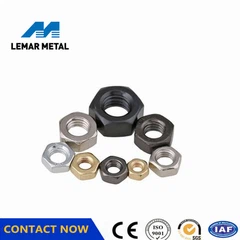
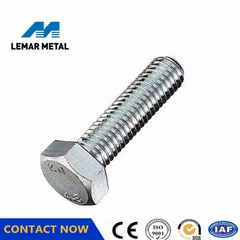
A hex bolt, also known as a hexagon head bolt, is a type of bolt with a six-sided head. The hexagonal shape of the head allows for easy gripping and turning with a wrench or a socket, providing a high level of torque for tightening. Hex bolts typically have external threads and are used in conjunction with nuts to fasten two or more objects together.
One of the key advantages of hex bolts is their versatility. They come in a wide range of sizes, materials, and finishes, making them suitable for a variety of applications. For example, Bolt Hex HD M16 is a popular choice for heavy-duty applications due to its large size and high strength. Hex bolts can be used in construction, machinery, automotive, and many other industries.
Hex bolts are often used in applications where a strong and secure fastening is required. They are commonly used in structural connections, such as in the construction of buildings, bridges, and machinery. The ability to apply high torque to hex bolts ensures that the connection remains tight and stable over time.
What is a Carriage Bolt?
A carriage bolt, also known as a coach bolt, has a round, domed head and a square section beneath the head. The square section is designed to prevent the bolt from turning when the nut is tightened. Carriage bolts are typically used in woodworking and light to medium-duty applications where a smooth, finished appearance is desired.
The round head of the carriage bolt provides a decorative touch, making it a popular choice for applications where aesthetics are important. The square section beneath the head digs into the wood or material being fastened, providing a secure grip without the need for a washer on the bolt side. This makes carriage bolts easy to install, especially in wood, as they can be driven into place with a hammer or a drill.
Carriage bolts are commonly used in wood framing, furniture assembly, and general carpentry work. They are also used in applications where the bolt needs to be flush with the surface, such as in the construction of decks, fences, and playground equipment.
Key Differences between Hex Bolts and Carriage Bolts
Head Design
The most obvious difference between hex bolts and carriage bolts is their head design. Hex bolts have a six-sided head, which allows for easy gripping and turning with a wrench or socket. This design is ideal for applications where high torque is required, such as in structural connections.
On the other hand, carriage bolts have a round, domed head and a square section beneath the head. The round head provides a decorative appearance, while the square section prevents the bolt from turning. This design is well-suited for woodworking applications where a smooth finish is desired.
Installation
The installation process for hex bolts and carriage bolts also differs. Hex bolts are typically installed by inserting the bolt through the holes in the objects to be fastened and then tightening the nut with a wrench. This requires access to both sides of the joint, which can be a limitation in some applications.
Carriage bolts, on the other hand, can be installed from one side. The square section beneath the head digs into the material, preventing the bolt from turning. This makes carriage bolts easier to install, especially in wood, as they can be driven into place with a hammer or a drill.
Applications
The applications of hex bolts and carriage bolts vary based on their design and characteristics. Hex bolts are commonly used in heavy-duty applications where a strong and secure connection is required. They are used in construction, machinery, and automotive industries, among others.
Carriage bolts are more commonly used in woodworking and light to medium-duty applications. They are ideal for applications where a smooth, finished appearance is desired, such as in furniture assembly, wood framing, and deck construction.
Appearance
The appearance of hex bolts and carriage bolts is also different. Hex bolts have a more industrial look, with their six-sided head and exposed threads. This makes them suitable for applications where aesthetics are not a primary concern.
Carriage bolts, on the other hand, have a more decorative appearance, with their round, domed head. This makes them a popular choice for applications where the bolt is visible and a finished look is desired.
Choosing the Right Bolt for Your Application
When choosing between a hex bolt and a carriage bolt, it is important to consider the specific requirements of your application. Here are some factors to consider:
Strength Requirements
If your application requires a high level of strength and a secure connection, a hex bolt is likely the better choice. Hex bolts can withstand higher levels of torque and are commonly used in structural applications.
Aesthetics
If aesthetics are important, a carriage bolt may be more suitable. The round, domed head of the carriage bolt provides a decorative touch, making it a good choice for applications where the bolt is visible.


Installation
Consider the ease of installation. If you need to install the bolt from one side or if you are working with wood, a carriage bolt may be easier to install. If you have access to both sides of the joint and require high torque, a hex bolt may be the better option.
Material Compatibility
Make sure the bolt material is compatible with the materials you are fastening. For example, if you are fastening wood, a carriage bolt may be a good choice. If you are working with metal or other materials, a hex bolt may be more appropriate.
Other Bolt Options
In addition to hex bolts and carriage bolts, there are many other types of bolts available. For example, J Bolt with Washers and Nuts is a type of anchor bolt that is commonly used in concrete and masonry applications. Masonry Screw Anchor is another option for fastening into masonry and concrete.
Conclusion
In conclusion, hex bolts and carriage bolts are two different types of bolts with distinct characteristics and applications. Hex bolts are known for their strength and versatility, making them suitable for heavy-duty applications. Carriage bolts, on the other hand, are popular for their decorative appearance and ease of installation in woodworking applications.
As a bolts supplier, I can provide a wide range of bolts to meet your specific needs. Whether you need hex bolts for a construction project or carriage bolts for a woodworking job, I have the expertise and products to help you find the right solution. If you have any questions or need assistance in choosing the right bolt for your application, please feel free to contact me. I am here to help you make an informed decision and ensure that you get the best bolts for your project.
Send Inquiry