

What are the types of threads on bolts?
Jun 09, 2025
Leave a message
When it comes to the world of bolts, one of the most critical aspects is the type of thread they possess. As a bolts supplier, I've had the privilege of working with a wide variety of thread types, each with its own unique characteristics, applications, and advantages. In this blog post, I'll delve into the different types of threads on bolts, shedding light on their features and helping you make informed decisions for your projects.
Unified Threads
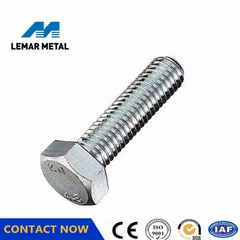
Unified threads are among the most commonly used thread types in North America. They are divided into two main categories: Unified National Coarse (UNC) and Unified National Fine (UNF).
UNC threads have a relatively large pitch, which means there are fewer threads per inch. This makes them suitable for applications where quick assembly and disassembly are required. They are often used in general machinery, automotive, and construction projects. For example, in automotive engines, UNC bolts are used to secure various components due to their ease of installation.
On the other hand, UNF threads have a finer pitch, with more threads per inch. This results in a stronger connection, making them ideal for applications where high precision and a tight fit are necessary. UNF bolts are commonly used in aerospace, electronics, and other industries where vibration resistance and accuracy are crucial.
Metric Threads
Metric threads are the standard in most countries outside of North America. They are defined by the International Organization for Standardization (ISO). The metric thread system uses the pitch, which is the distance between adjacent threads, and the major diameter of the bolt to specify the thread size.
Metric bolts are available in a wide range of sizes, from very small to extremely large. They are used in a variety of industries, including automotive, machinery, and construction. One of the advantages of metric threads is their compatibility with other metric components, which simplifies the assembly process in international projects.
Whitworth Threads
Whitworth threads, also known as British Standard Whitworth (BSW) threads, were developed in the 19th century by Joseph Whitworth. They have a rounded profile and a relatively large pitch. Whitworth threads were widely used in the United Kingdom and its former colonies, especially in the early days of the industrial revolution.
Although their use has declined in recent years due to the widespread adoption of metric and unified threads, Whitworth bolts can still be found in some older machinery and historical restoration projects. If you're working on a restoration project for a vintage machine, you may need to source Whitworth bolts to maintain the authenticity of the equipment.
Acme Threads
Acme threads are trapezoidal in shape and have a relatively large pitch. They are designed to transmit power efficiently and are commonly used in applications such as lead screws, jacks, and presses. Acme bolts can handle heavy loads and are known for their durability and reliability.


One of the key features of Acme threads is their ability to provide smooth and precise linear motion. This makes them ideal for applications where accurate positioning is required, such as in machine tools and automation equipment.
Buttress Threads
Buttress threads are designed to withstand high axial loads in one direction. They have a triangular profile with one side being perpendicular to the axis of the bolt and the other side slanted. Buttress threads are commonly used in applications such as vices, presses, and heavy machinery where a strong, one-way load needs to be supported.
The unique design of buttress threads allows them to provide maximum strength in the direction of the load while minimizing the risk of thread failure. This makes them a popular choice for applications where safety and reliability are of utmost importance.
Pipe Threads
Pipe threads are specifically designed for use in plumbing and piping systems. There are two main types of pipe threads: tapered and straight.
Tapered pipe threads, such as National Pipe Taper (NPT) and British Standard Pipe Taper (BSPT), are designed to create a tight seal when the threads are tightened. The taper allows the threads to deform slightly, creating a leak-proof connection. Tapered pipe threads are commonly used in applications where fluid or gas is being transported, such as in plumbing, HVAC, and industrial piping systems.
Straight pipe threads, such as National Pipe Straight (NPS) and British Standard Pipe Parallel (BSPP), are used in applications where a mechanical connection is required without the need for a seal. They are often used in conjunction with gaskets or O-rings to create a leak-proof joint.
Antiluce Drop Lock
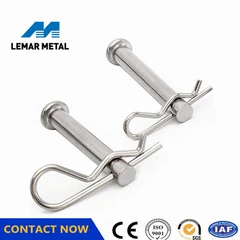
In addition to the traditional thread types mentioned above, we also offer the innovative Antiluce Drop Lock. This unique locking mechanism provides enhanced security and prevents bolts from loosening due to vibration or other external forces. The Antiluce Drop Lock is a great solution for applications where safety and reliability are critical, such as in the automotive, aerospace, and heavy machinery industries.
Choosing the Right Thread Type
Selecting the appropriate thread type for your application is crucial to ensure the performance and reliability of your bolts. Here are some factors to consider when making your decision:
- Application Requirements: Consider the specific requirements of your project, such as the load capacity, vibration resistance, and precision needed. Different thread types are better suited for different applications, so choose the one that best meets your needs.
- Compatibility: Make sure the thread type you choose is compatible with the other components in your system. This will ensure a proper fit and prevent any issues during assembly.
- Industry Standards: In some industries, certain thread types are required by standards or regulations. Make sure you are aware of these requirements and choose the appropriate thread type accordingly.
- Availability: Consider the availability of the bolts with the desired thread type. Some thread types may be more readily available than others, so it's important to factor this into your decision.
Contact Us for Your Bolt Needs
As a leading bolts supplier, we have a wide range of bolts with different thread types to meet your diverse needs. Whether you're working on a small DIY project or a large industrial application, we can provide you with the high-quality bolts you need.
If you have any questions about the different types of threads on bolts or need help selecting the right bolts for your project, please don't hesitate to contact us. Our team of experts is here to assist you and provide you with the best solutions for your bolt requirements.
References
- Machinery's Handbook, 31st Edition
- ASME B1.1 - Unified Inch Screw Threads
- ISO 68 - Metric Screw Threads
We look forward to working with you and helping you find the perfect bolts for your next project. Contact us today to start the procurement process and discuss your specific requirements.
Send Inquiry