


What is the best way to drive hex screws?
Mar 24, 2026
Leave a message
As a supplier of hex screws, I've encountered numerous inquiries about the best way to drive these essential fasteners. Hex screws, known for their hexagonal socket drives, are widely used across various industries, from automotive to electronics and furniture manufacturing. In this blog, I'll share insights and techniques based on my experience to ensure you achieve optimal results when working with hex screws.
Understanding Hex Screws
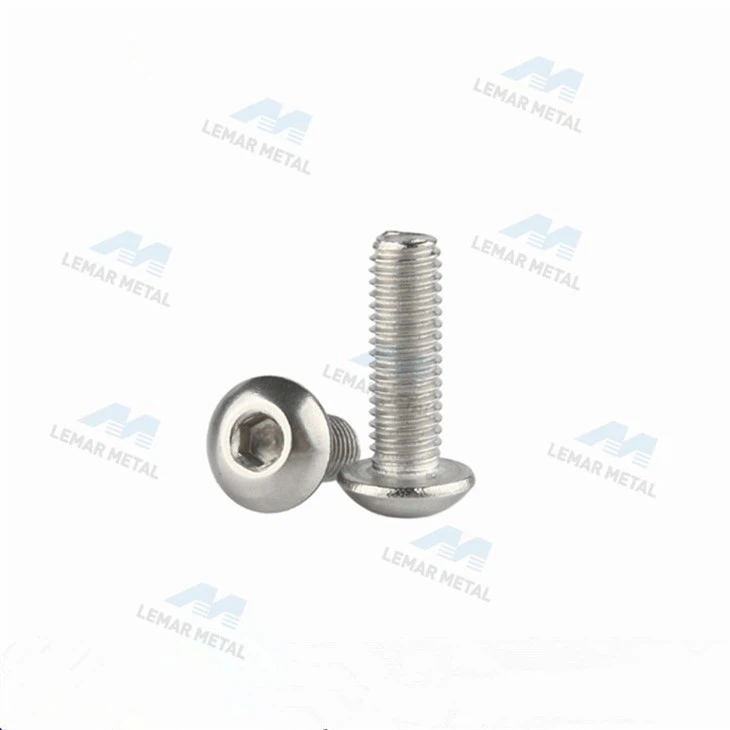
Before delving into the driving methods, it's crucial to understand the different types of hex screws available. At our company, we offer a diverse range of hex screws, including Button Head Socket Screw, Low Socket Head Cap Screw, and Hex Flat Head Machine Screw. Each type has its unique characteristics and applications.
- Button Head Socket Screw: These screws feature a rounded head with a cylindrical shape, providing a low - profile and aesthetically pleasing appearance. They are commonly used in applications where the screw head needs to be flush or slightly recessed.
- Low Socket Head Cap Screw: With a lower head height compared to standard socket head cap screws, these are ideal for applications where space is limited. They offer a high - strength fastening solution in tight spaces.
- Hex Flat Head Machine Screw: These screws have a flat head that sits flush with the surface when installed. They are often used in applications where a smooth, flat finish is required.
Tools for Driving Hex Screws
The choice of tools plays a significant role in driving hex screws effectively. Here are the most commonly used tools:
Hex Keys (Allen Wrenches)
Hex keys are the most basic and widely used tools for driving hex screws. They come in various sizes, typically measured in millimeters or inches. When using a hex key, ensure that the key fits snugly into the screw's hexagonal socket. A loose - fitting key can cause the key to slip out of the socket, potentially damaging the screw or the surrounding material.

Hex Screwdrivers
Hex screwdrivers are similar to hex keys but have a handle for better grip and leverage. They are available in both manual and power - driven versions. Manual hex screwdrivers are suitable for small - scale projects or when precision is required. Power - driven hex screwdrivers, on the other hand, can significantly speed up the installation process, especially for large - scale projects.
Impact Drivers
Impact drivers are powerful tools that deliver a high - torque rotational force, making them ideal for driving hex screws into hard materials such as metal or hardwood. They are particularly useful when dealing with stubborn screws or when a large number of screws need to be installed quickly. However, it's important to use impact - rated hex bits with impact drivers to prevent the bits from breaking.
Preparing for the Job
Before you start driving hex screws, proper preparation is essential to ensure a successful installation.
Select the Right Screw
Choose the appropriate hex screw based on the application, load requirements, and material you are working with. Consider factors such as the screw's size, length, and thread pitch. For example, if you are fastening two thin pieces of metal together, a shorter screw with a fine thread pitch may be more suitable.
Drill Pilot Holes
In most cases, it's advisable to drill pilot holes before inserting hex screws. Pilot holes help prevent the material from splitting, especially in wood or brittle materials. The size of the pilot hole should be slightly smaller than the screw's diameter. This allows the screw to grip the material firmly without causing excessive stress.
Clean the Work Area
Make sure the work area is clean and free of debris. Any dirt or debris in the screw hole can prevent the screw from seating properly and may affect the overall strength of the fastening.
Driving Hex Screws: Step - by - Step Guide
Now, let's walk through the process of driving hex screws.
Step 1: Insert the Tool
Insert the appropriate tool (hex key, hex screwdriver, or impact driver bit) into the screw's hexagonal socket. Ensure a proper fit to prevent slippage.
Step 2: Apply Pressure
Apply downward pressure on the tool while turning it clockwise. The pressure helps keep the tool in the socket and ensures a smooth driving process.
Step 3: Rotate the Tool
Begin turning the tool slowly to start threading the screw into the material. Be careful not to force the screw too quickly, as this can cause the thread to strip or the screw to break.
Step 4: Check the Depth
As you drive the screw, periodically check the depth to ensure it is being installed to the correct level. Over - driving or under - driving the screw can affect the integrity of the fastening.
Step 5: Finish the Installation
Once the screw is fully seated, stop turning the tool. For applications where a tight fit is required, you may want to use a torque wrench to ensure the screw is tightened to the appropriate specifications.
Tips for a Successful Installation
- Use Lubrication: In some cases, applying a small amount of lubricant, such as oil or wax, to the screw thread can make it easier to drive the screw and prevent rusting.
- Replace Worn Tools: Over time, hex keys and bits can wear out. Replace them when they show signs of wear to ensure a proper fit and prevent damage to the screws.
- Use a Backing Plate: When driving screws through thin materials, using a backing plate can help distribute the load and prevent the material from deforming.
Conclusion
Driving hex screws is a fundamental skill in many industries, and choosing the right method and tools is crucial for a successful installation. As a hex screw supplier, we are committed to providing high - quality screws and reliable advice to our customers. Whether you are a professional tradesperson or a DIY enthusiast, following these guidelines will help you achieve optimal results when working with hex screws.
If you are interested in purchasing hex screws or have any questions about our products, please feel free to contact us for a detailed discussion. Our team of experts is ready to assist you in finding the right screws for your specific needs.
References
- Machinery's Handbook, 31st Edition, Industrial Press Inc.
- Fastener Technology Handbook, by H. Peter Jensen
Send Inquiry