


What is the difference between a slotted nut and a regular nut?
Sep 23, 2025
Leave a message
In the world of fasteners, nuts play a crucial role in ensuring the stability and integrity of various mechanical assemblies. Among the different types of nuts available, slotted nuts and regular nuts are two commonly used options, each with its own unique characteristics and applications. As a slotted nut supplier, I am often asked about the differences between these two types of nuts. In this blog post, I will delve into the details of slotted nuts and regular nuts, highlighting their key differences, advantages, and applications.
What is a Regular Nut?
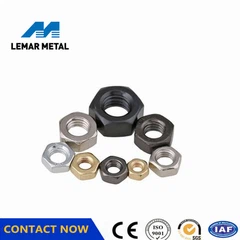
A regular nut, also known as a standard nut, is a simple and widely used fastener that is typically hexagonal in shape. It has a threaded hole in the center that is designed to mate with a bolt or a threaded rod. Regular nuts are available in a variety of materials, including steel, stainless steel, brass, and nylon, and they come in different sizes and thread pitches to suit different applications.
The primary function of a regular nut is to provide a clamping force when tightened onto a bolt or a threaded rod. This clamping force helps to hold the components together and prevent them from coming loose due to vibration or other external forces. Regular nuts are commonly used in a wide range of applications, such as automotive, construction, machinery, and electronics.
What is a Slotted Nut?
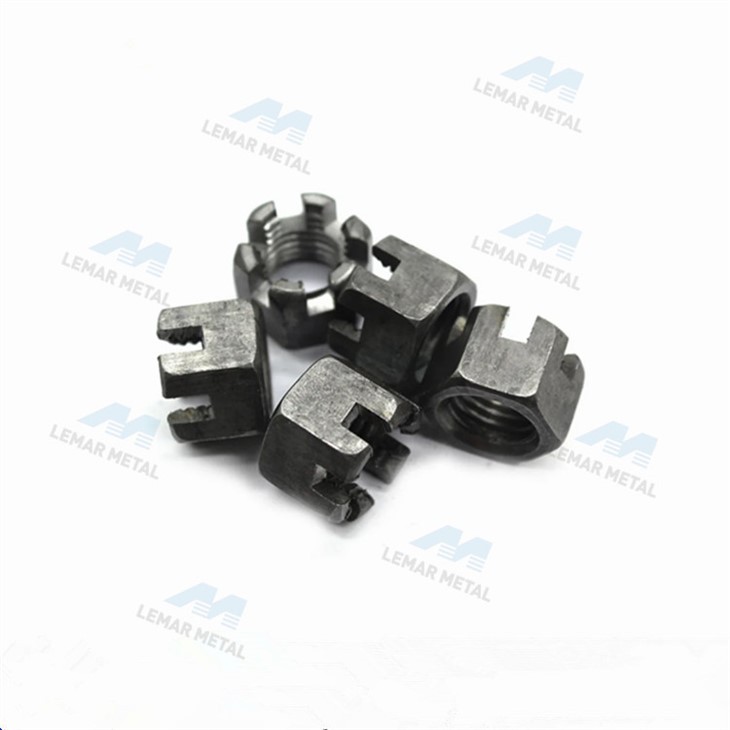
A slotted nut, also known as a castle nut or a slotted hex nut, is a type of nut that has a series of slots cut into the top portion of the nut. These slots are designed to accommodate a cotter pin or a split pin, which can be inserted through the slots and the hole in the bolt to prevent the nut from loosening. Slotted nuts are typically hexagonal in shape, similar to regular nuts, but they have a taller profile and a larger diameter at the top to accommodate the slots.
Slotted nuts are commonly made of steel or stainless steel, and they are available in different sizes and thread pitches to suit different applications. They are often used in applications where vibration or movement is a concern, such as automotive, aerospace, and machinery. The use of a cotter pin or a split pin with a slotted nut provides an additional level of security and prevents the nut from backing off, even under extreme conditions.
Key Differences between Slotted Nuts and Regular Nuts
Design and Structure
The most obvious difference between slotted nuts and regular nuts is their design and structure. Regular nuts have a simple hexagonal shape with a threaded hole in the center, while slotted nuts have a series of slots cut into the top portion of the nut. These slots are typically evenly spaced around the circumference of the nut and are designed to accommodate a cotter pin or a split pin.
Function and Security
The primary function of a regular nut is to provide a clamping force when tightened onto a bolt or a threaded rod. While regular nuts can provide a secure connection, they are more susceptible to loosening due to vibration or other external forces. On the other hand, slotted nuts are designed to provide an additional level of security by using a cotter pin or a split pin to prevent the nut from backing off. This makes slotted nuts ideal for applications where vibration or movement is a concern.
Applications
Regular nuts are commonly used in a wide range of applications where a simple and reliable fastening solution is required. They are suitable for applications where the components are not subject to excessive vibration or movement, such as in furniture assembly, electrical installations, and general machinery. Slotted nuts, on the other hand, are typically used in applications where a higher level of security is required, such as in automotive, aerospace, and heavy machinery. They are commonly used in critical applications where the failure of a fastener could have serious consequences, such as in the suspension system of a vehicle or the landing gear of an aircraft.

Installation
The installation process for regular nuts is relatively simple. They can be tightened onto a bolt or a threaded rod using a wrench or a socket. Slotted nuts, on the other hand, require an additional step of inserting a cotter pin or a split pin through the slots in the nut and the hole in the bolt. This additional step adds a bit more complexity to the installation process, but it also provides an extra level of security.
Advantages of Slotted Nuts
Enhanced Security
The primary advantage of slotted nuts is their enhanced security. By using a cotter pin or a split pin, slotted nuts can prevent the nut from loosening due to vibration or other external forces. This makes them ideal for applications where the integrity of the fastening is critical.
Reusability
Slotted nuts are often reusable. Once the cotter pin or split pin is removed, the nut can be easily removed and reinstalled if necessary. This can be a cost - effective solution in applications where components need to be disassembled and reassembled.
Wide Range of Sizes and Materials
Slotted nuts are available in a wide range of sizes and materials, including steel, stainless steel, and brass. This allows them to be used in a variety of applications, from small electronic devices to large industrial machinery.
Our Slotted Nut Products
As a slotted nut supplier, we offer a wide range of high - quality slotted nuts to meet the diverse needs of our customers. Our product line includes Steel Hex Castle Nut, Hexagon Castle Nut, and Hex Slotted Castle Nut. These nuts are made from premium materials and are manufactured to strict quality standards to ensure their reliability and performance.
Our slotted nuts are suitable for a variety of applications, including automotive, aerospace, machinery, and construction. Whether you need a small quantity for a DIY project or a large volume for an industrial application, we can provide you with the right slotted nuts at competitive prices.
Conclusion
In conclusion, slotted nuts and regular nuts are two different types of fasteners with their own unique characteristics and applications. Regular nuts are simple, widely used, and suitable for applications where a basic clamping force is sufficient. Slotted nuts, on the other hand, offer enhanced security and are ideal for applications where vibration or movement is a concern.
If you are in need of high - quality slotted nuts for your project, look no further. As a professional slotted nut supplier, we are committed to providing our customers with the best products and services. Contact us today to discuss your requirements and start the procurement process. We are ready to assist you in finding the perfect slotted nuts for your needs.
References
- Machinery's Handbook, 31st Edition
- Fastener Standards and Specifications Manual
Send Inquiry