


What is the difference between construction screws and wood screws?
May 12, 2025
Leave a message
When it comes to fastening materials in construction and woodworking, screws are indispensable. Among the wide variety of screws available in the market, construction screws and wood screws are two commonly used types. As a wood screws supplier, I often get asked about the differences between these two types of screws. In this blog post, I'll delve into the characteristics, applications, and key differences between construction screws and wood screws to help you make informed decisions for your projects.
Physical Characteristics
Construction Screws
Construction screws are engineered for heavy - duty applications. They typically have a thicker shank compared to wood screws. The diameter of construction screws can range from 3/16 inches to 5/16 inches or even larger in some industrial applications. This thick shank provides greater strength and resistance to shear forces, making them suitable for joining large structural components.
The threads of construction screws are usually coarse. Coarse threads are designed to quickly bite into hard materials such as concrete, metal, and pressure - treated lumber. The pitch of the threads is relatively large, which allows for fast installation, especially when using power tools.
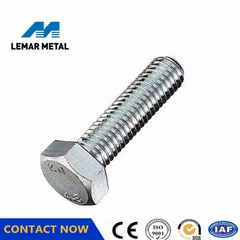
In terms of head design, construction screws often come with flat heads, hex heads, or bugle heads. Flat heads are ideal for applications where a flush surface is required, such as when attaching metal plates to wooden beams. Hex heads are easy to grip with a wrench, providing a high - torque installation, which is crucial for heavy - duty connections. Bugle heads are commonly used in drywall applications as they can be countersunk easily.
Wood Screws
Wood screws, on the other hand, are designed specifically for use in wood. They generally have a thinner shank. The diameter of wood screws usually ranges from 1/16 inches to 1/4 inches. This thinner shank is sufficient for the relatively softer nature of wood and allows for a more precise and less invasive installation.
The threads of wood screws are finer compared to construction screws. Fine threads provide better holding power in wood by gripping the wood fibers more tightly. The smaller pitch of the threads also reduces the risk of splitting the wood during installation, which is a common problem when using the wrong type of screw.
Wood screws come in a variety of head designs, including flat heads, round heads, and oval heads. Flat heads are used when a flush finish is desired, such as in cabinetry or furniture making. Round heads protrude above the surface and are often used for decorative purposes or when the screw head needs to be easily accessible. Oval heads offer a combination of a flush appearance and a slightly raised profile, providing a more aesthetically pleasing finish.
Material and Coating
Construction Screws
Construction screws are typically made from high - strength steel alloys. These alloys are chosen for their ability to withstand high loads and resist corrosion, especially when used in outdoor or wet environments. Some construction screws are made from stainless steel, which offers excellent corrosion resistance, making them suitable for marine applications or areas with high humidity.
In addition to the base material, construction screws often have special coatings to enhance their performance. Zinc plating is a common coating that provides a basic level of corrosion protection. Hot - dipped galvanizing offers a thicker and more durable zinc coating, which is suitable for long - term outdoor use. Some construction screws also have epoxy coatings, which provide additional protection against corrosion and can also improve the screw's grip in certain materials.
Wood Screws
Wood screws are commonly made from carbon steel, which is strong enough for most woodworking applications. However, for outdoor or high - moisture applications, stainless steel or brass wood screws are preferred. Stainless steel wood screws offer excellent corrosion resistance, while brass wood screws are not only corrosion - resistant but also have an attractive appearance, making them suitable for decorative woodworking projects.
Coatings on wood screws are also used to improve performance. Phosphating is a common treatment that provides a degree of corrosion resistance and can also help the screw penetrate the wood more easily. Some wood screws have a lubricant coating, such as wax or resin, which reduces friction during installation and makes it easier to drive the screw into the wood.
Applications
Construction Screws
Construction screws are used in a wide range of heavy - duty construction projects. They are commonly used to fasten structural elements such as wooden beams to steel plates, concrete forms, or metal framing. In the construction of decks, construction screws are used to attach deck boards to joists, providing a strong and long - lasting connection.
They are also used in the installation of drywall. Bugle - head construction screws are designed to be countersunk into the drywall without breaking the paper surface, allowing for a smooth finish that can be easily taped and mudded. In addition, construction screws are used in the assembly of pre - fabricated buildings, where quick and strong connections are required.
Wood Screws
Wood screws are the go - to choice for woodworking projects. They are used in furniture making, cabinetry, and joinery. In furniture construction, wood screws are used to assemble frames, attach drawers, and secure decorative elements. The fine threads of wood screws ensure a tight and secure connection without splitting the wood, which is crucial for maintaining the integrity and appearance of the furniture.
In cabinetry, wood screws are used to install doors, drawers, and shelves. The ability to choose different head designs allows for a customized and professional finish. Wood screws are also used in DIY woodworking projects, such as building birdhouses, bookshelves, or small wooden boxes.
Strength and Holding Power
Construction Screws
Due to their thick shank and coarse threads, construction screws offer high shear and tensile strength. They are capable of withstanding heavy loads and are designed to hold large and heavy components together. In structural applications, the strength of construction screws is crucial for ensuring the safety and stability of the building. For example, when attaching a wooden beam to a steel column, the construction screw must be able to resist the forces exerted on the connection, such as wind loads or seismic forces.
Wood Screws
While wood screws may not have the same level of strength as construction screws in terms of heavy - duty structural applications, they are highly effective in holding wood pieces together. The fine threads of wood screws grip the wood fibers tightly, providing excellent holding power within the wood. This is especially important in woodworking, where the integrity of the joint depends on the screw's ability to hold the wood pieces firmly in place without causing damage to the wood.
Installation Considerations
Construction Screws
Installing construction screws often requires the use of power tools, such as impact drivers or drill - drivers. The coarse threads and thick shank of construction screws make them difficult to install by hand. Power tools provide the necessary torque to drive the screw into hard materials quickly and efficiently.
Pre - drilling may be required when using construction screws, especially in hard materials such as concrete or metal. Pre - drilling helps to prevent the screw from breaking and ensures a more accurate installation. When installing construction screws in pressure - treated lumber, it is important to use screws that are specifically designed for this type of wood, as the chemicals in pressure - treated lumber can cause corrosion over time.
Wood Screws
Wood screws can be installed by hand using a screwdriver, although power tools such as drill - drivers are also commonly used for faster installation. When using a power tool, it is important to control the speed and torque to avoid over - driving the screw and damaging the wood.
Pre - drilling is often recommended when using wood screws, especially in hardwoods or when installing screws near the edge of the wood. Pre - drilling helps to prevent the wood from splitting and ensures a smooth installation. The size of the pilot hole should be slightly smaller than the diameter of the screw's shank to allow the threads to grip the wood effectively.
Why Choose Our Wood Screws?
As a wood screws supplier, we offer a wide range of high - quality wood screws to meet the diverse needs of our customers. Our wood screws are made from the finest materials, ensuring strength and durability. We have a variety of head designs, thread types, and sizes available, allowing you to choose the perfect screw for your woodworking project.
Our wood screws are carefully coated to provide corrosion resistance and easy installation. Whether you are working on a small DIY project or a large - scale furniture manufacturing operation, our wood screws will provide a reliable and long - lasting solution.
If you are in the market for wood screws, we invite you to contact us for a detailed discussion about your requirements. Our team of experts is ready to assist you in selecting the right wood screws for your project. We can also provide samples for you to test and evaluate. Let's start a conversation and find the best wood screw solution for your needs.
References
- "The Complete Guide to Screws" by Home Improvement Association
- "Woodworking Basics: Screws and Fasteners" by Woodworkers Journal
- "Construction Fasteners Handbook" by Construction Industry Institute
Send Inquiry