


What is the lifespan of a flange nut?
Aug 12, 2025
Leave a message
Hey there! As a flange nut supplier, I often get asked about the lifespan of flange nuts. It's a pretty important question, especially for those who rely on these nuts in various applications. So, let's dive right in and explore what affects the lifespan of a flange nut and how you can make them last longer.
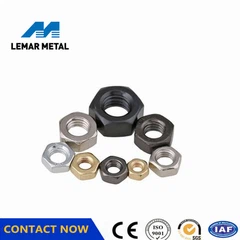
First off, what exactly is a flange nut? Well, it's a type of nut with a wide flange at one end that acts like a washer. This flange distributes the pressure over a larger area, which helps prevent the nut from loosening and also reduces the risk of damage to the surface it's tightened against. There are different types of flange nuts available, such as the DIN6923 Flange Nut, Steel Serrated Hex Flange Nut, and Slip Locking Lock Nut. Each type has its own unique features and is suitable for different applications.
Now, let's talk about the factors that can influence the lifespan of a flange nut.
Material Quality
The material used to make the flange nut plays a huge role in determining its lifespan. High - quality materials like stainless steel, alloy steel, or brass are more durable and resistant to corrosion compared to lower - quality materials. For example, stainless steel flange nuts are great for outdoor or wet environments because they don't rust easily. On the other hand, if you use a low - grade carbon steel nut in a corrosive environment, it may start to rust and deteriorate quickly, reducing its lifespan significantly.
Application Environment
The environment in which the flange nut is used can have a big impact on how long it lasts. If the nut is exposed to high temperatures, extreme cold, moisture, chemicals, or abrasive materials, its lifespan will be shorter. For instance, in a chemical processing plant, flange nuts may be exposed to corrosive chemicals that can eat away at the nut over time. In a high - temperature environment like an engine compartment, the heat can cause the nut to expand and contract, which may lead to loosening or even damage to the nut.
Installation and Tightening
Proper installation and tightening are crucial for the longevity of a flange nut. If the nut is not tightened correctly, it can vibrate loose over time. On the other hand, over - tightening the nut can cause it to strip or break. It's important to use the right tools and follow the manufacturer's recommended torque specifications when installing flange nuts. For example, using a torque wrench can ensure that the nut is tightened to the correct level, reducing the risk of premature failure.
Load and Stress
The amount of load and stress that the flange nut is subjected to also affects its lifespan. If the nut is used in an application where it has to bear a heavy load or constant stress, it will wear out faster. For example, in a heavy - duty machinery application, the flange nuts may be under a lot of pressure, which can cause them to deform or crack over time.
So, what's the typical lifespan of a flange nut? Well, it's hard to give an exact number because it depends on all the factors mentioned above. In a normal, low - stress, and clean environment, a high - quality flange nut can last for many years. However, in a harsh environment or high - stress application, the lifespan may be reduced to just a few months or even weeks.


Now, let's talk about how you can extend the lifespan of flange nuts.
Choose the Right Material
Based on the application environment, choose the most suitable material for your flange nuts. If you're working in a corrosive environment, go for stainless steel or brass nuts. For high - temperature applications, look for nuts made from heat - resistant alloys.
Protect the Nuts
If the flange nuts are exposed to harsh conditions, you can take steps to protect them. For example, you can apply a protective coating like zinc plating or paint to prevent corrosion. You can also use seals or gaskets to keep out moisture and dirt.
Regular Inspection and Maintenance
Regularly inspect the flange nuts for signs of wear, corrosion, or loosening. If you notice any issues, replace the nut immediately. Also, make sure to clean the nuts periodically to remove any dirt or debris that could cause damage.
Follow Best Practices
Always follow the best practices for installation and tightening. Use the right tools and follow the recommended torque values. This will ensure that the nuts are installed correctly and will last longer.
As a flange nut supplier, I understand the importance of providing high - quality products that meet your needs. We offer a wide range of flange nuts, including the DIN6923 Flange Nut, Steel Serrated Hex Flange Nut, and Slip Locking Lock Nut. Our nuts are made from top - quality materials and are manufactured to the highest standards.
If you're in the market for flange nuts or have any questions about their lifespan or application, don't hesitate to reach out. We're here to help you choose the right flange nuts for your project and ensure that they last as long as possible. Whether you're a small - scale DIY enthusiast or a large - scale industrial manufacturer, we've got the products and expertise to meet your requirements. Contact us today to start a conversation about your flange nut needs. You can explore our product range further by clicking on the links above.
References
- Machinery's Handbook, 31st Edition
- ASME Standards for Fasteners
- ASTM Standards for Metals and Alloys
Send Inquiry