

What is the role of a washer with a bolt?
Oct 23, 2025
Leave a message
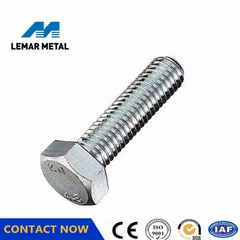
Bolts are fundamental fasteners used in a wide range of industries, from construction and automotive to manufacturing and aerospace. They play a crucial role in holding together various components, ensuring the structural integrity and functionality of countless products and structures. However, the effectiveness of a bolt is often enhanced by another simple yet essential component: the washer. As a bolts supplier, I have witnessed firsthand the importance of washers in conjunction with bolts, and I am excited to delve into the details of their role in this blog post.
Distribution of Load
One of the primary functions of a washer is to distribute the load exerted by a bolt over a larger area. When a bolt is tightened, it applies a concentrated force at the point of contact with the surface. Without a washer, this force can cause damage to the material, such as indentation, deformation, or even cracking. By placing a washer between the bolt head or nut and the surface, the load is spread out more evenly, reducing the risk of damage and ensuring a more secure connection.
For example, in a construction application, a bolt may be used to attach a steel beam to a concrete foundation. The high clamping force of the bolt can cause the concrete to crack if the load is not properly distributed. A washer with a larger surface area can help to prevent this by spreading the load over a greater area of the concrete, reducing the stress concentration and minimizing the risk of damage.
Prevention of Loosening
Another important role of a washer is to prevent the bolt from loosening over time. Vibrations, thermal expansion and contraction, and other external forces can cause a bolt to gradually loosen, compromising the integrity of the connection. A washer can help to counteract these effects by providing additional friction between the bolt head or nut and the surface.
There are several types of washers designed specifically for preventing loosening, such as lock washers and spring washers. Lock washers have teeth or ridges that bite into the surface, creating a mechanical lock that resists rotation. Spring washers, on the other hand, are designed to exert a spring force that keeps the bolt tightened, even under dynamic loads.
For instance, in an automotive engine, the bolts that hold the cylinder head in place are subjected to high levels of vibration and thermal cycling. A lock washer or spring washer can be used to ensure that these bolts remain tightened, preventing leaks and maintaining the proper functioning of the engine.
Protection of Surfaces
Washers can also serve as a protective barrier between the bolt and the surface, preventing damage to both the bolt and the material it is being fastened to. In some cases, the surface may be made of a soft or delicate material that is easily scratched or damaged by the bolt. A washer can act as a buffer, preventing direct contact between the bolt and the surface and protecting it from damage.
Additionally, washers can help to prevent corrosion by providing a barrier between the bolt and the environment. In outdoor or corrosive environments, the bolt may be exposed to moisture, chemicals, or other corrosive agents that can cause it to rust or corrode. A washer made of a corrosion-resistant material, such as stainless steel or zinc-plated steel, can help to protect the bolt and extend its lifespan.
For example, in a marine application, the bolts used to secure the decking to the hull of a boat are exposed to saltwater and other corrosive elements. A stainless steel washer can be used to protect the bolts from corrosion, ensuring the long-term durability of the connection.
Alignment and Spacing
Washers can also be used to provide alignment and spacing between components. In some applications, it may be necessary to ensure that the bolt is centered or aligned properly with the hole or the surface it is being fastened to. A washer with a specific diameter or thickness can be used to achieve the desired alignment and spacing.


For instance, in a precision machining application, a washer may be used to ensure that the bolt is centered within the hole, preventing any misalignment or binding. Additionally, washers can be used to create a specific spacing between components, allowing for proper clearance or adjustment.
Types of Washers
There are several types of washers available, each with its own unique properties and applications. Some of the most common types of washers include:
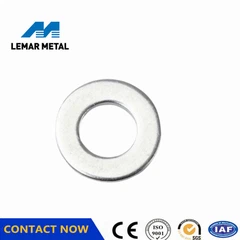
- Flat Washers: Flat washers are the most basic type of washer and are used primarily for distributing the load and protecting the surface. They are available in a variety of sizes and materials, including steel, stainless steel, and brass.
- Lock Washers: Lock washers are designed to prevent the bolt from loosening by creating a mechanical lock between the bolt head or nut and the surface. There are several types of lock washers, including split lock washers, toothed lock washers, and star lock washers.
- Spring Washers: Spring washers are designed to exert a spring force that keeps the bolt tightened, even under dynamic loads. They are commonly used in applications where vibration or thermal cycling is a concern.
- Fender Washers: Fender washers have a large outer diameter and a small inner diameter, making them ideal for use in applications where a large bearing surface is required. They are commonly used in automotive and electrical applications.
- Antiluce Drop Lock: For more specialized applications, the Antiluce Drop Lock offers unique features and benefits. This type of washer is designed to provide enhanced security and stability in high-stress environments.
Conclusion
In conclusion, the role of a washer with a bolt is crucial in ensuring the effectiveness, reliability, and longevity of a connection. Washers help to distribute the load, prevent loosening, protect surfaces, provide alignment and spacing, and offer a variety of other benefits. As a bolts supplier, I understand the importance of selecting the right washer for each application, and I am committed to providing my customers with high-quality washers and bolts that meet their specific needs.
If you are in need of bolts or washers for your next project, I encourage you to contact me to discuss your requirements. I would be happy to provide you with expert advice and assistance in selecting the right products for your application. Whether you are a contractor, engineer, or DIY enthusiast, I am here to help you find the best solutions for your fastening needs.
References
- Machinery's Handbook, 31st Edition
- Fastener Technology Handbook, 2nd Edition
- ASME B18.21.1 - Standard for Plain Washers
Send Inquiry