

What is the surface finish of lock washers?
May 16, 2025
Leave a message
Hey there! As a lock washer supplier, I've been in the industry for quite some time, and I often get asked about the surface finish of lock washers. So, I thought I'd share some insights on this topic.

First off, let's talk about why surface finish matters. The surface finish of a lock washer isn't just about looks; it plays a crucial role in the washer's performance and durability. A proper surface finish can prevent corrosion, reduce friction, and improve the overall functionality of the lock washer.
There are several common surface finishes for lock washers, and each has its own advantages and applications.
Zinc Plating
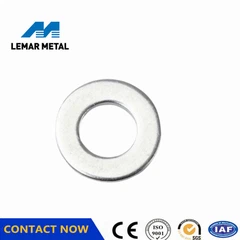
Zinc plating is one of the most popular surface finishes for lock washers. It's relatively inexpensive and provides a good level of corrosion resistance. The zinc coating acts as a sacrificial layer, meaning it corrodes before the base metal of the washer. This helps to protect the washer from rust and other forms of corrosion, especially in mild to moderately corrosive environments.
Zinc-plated lock washers are commonly used in general-purpose applications, such as automotive, construction, and machinery. They're a cost-effective option that offers decent protection against the elements.
Hot-Dip Galvanizing
Hot-dip galvanizing is a more heavy-duty option compared to zinc plating. In this process, the lock washer is dipped into a bath of molten zinc, which creates a thick, durable coating. The galvanized layer provides excellent corrosion resistance, even in harsh environments like coastal areas or industrial settings with high levels of moisture and chemicals.
Hot-dip galvanized lock washers are often used in outdoor structures, bridges, and other applications where long-term corrosion protection is essential. However, they're a bit more expensive than zinc-plated washers due to the additional processing involved.
Phosphating
Phosphating is a chemical treatment that creates a phosphate coating on the surface of the lock washer. This coating helps to improve the adhesion of paint or other finishes, and it also provides some corrosion resistance. Phosphated lock washers are commonly used as a base for further finishing, such as painting or powder coating.
The phosphate coating can also reduce friction between the washer and the mating surfaces, which can be beneficial in applications where smooth operation is required. For example, in some precision machinery or automotive components, phosphated lock washers can help to prevent galling and ensure proper functioning.
Black Oxide
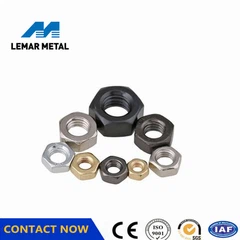
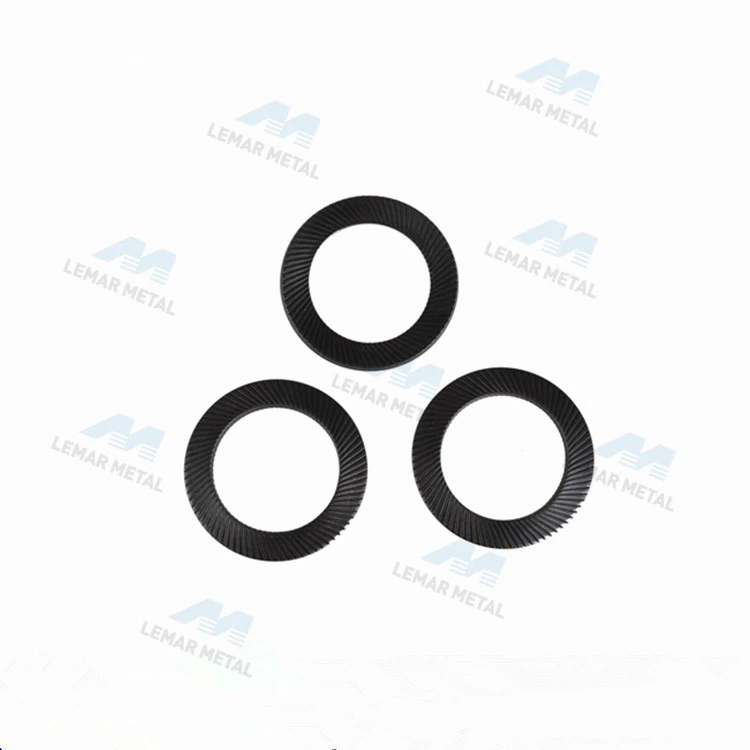
Black oxide is a popular surface finish for lock washers, especially in applications where a sleek, black appearance is desired. It's a chemical conversion coating that forms a thin, black layer on the surface of the washer. While black oxide doesn't provide as much corrosion resistance as zinc plating or hot-dip galvanizing, it does offer some protection against light rusting.
Black oxide also has the advantage of reducing glare, which can be useful in applications where visibility is important. It's commonly used in military, aerospace, and firearms industries, as well as in some decorative applications.
Stainless Steel
Stainless steel lock washers are made from corrosion-resistant stainless steel alloys, such as 304 or 316. These washers offer excellent corrosion resistance, even in highly corrosive environments. They're also resistant to heat, making them suitable for high-temperature applications.

Stainless steel lock washers are often used in food processing, chemical, and marine industries, where corrosion resistance is of utmost importance. However, they're more expensive than other types of lock washers due to the cost of the stainless steel material.
Choosing the Right Surface Finish
When choosing the surface finish for your lock washers, there are several factors to consider.
- Environment: The first thing to think about is the environment in which the lock washers will be used. If they'll be exposed to moisture, chemicals, or other corrosive agents, you'll need a surface finish that provides good corrosion resistance, such as hot-dip galvanizing or stainless steel. On the other hand, if the environment is relatively mild, zinc plating or phosphating may be sufficient.
- Application: The application of the lock washers also plays a role in the surface finish selection. For example, if the washers will be used in a high-friction application, a surface finish that reduces friction, such as phosphating, may be preferred. If aesthetics are important, black oxide or a painted finish may be a better choice.
- Cost: Cost is always a consideration when choosing a surface finish. Some finishes, like stainless steel and hot-dip galvanizing, are more expensive than others, such as zinc plating or black oxide. You'll need to balance the cost with the performance requirements of your application.
Our Product Range
As a lock washer supplier, we offer a wide range of lock washers with different surface finishes to meet the diverse needs of our customers. Whether you need Internal Tooth Gasket, Disc Conical Spring Washers, or DIN 25201 Lock Washer, we've got you covered.
We understand that every customer's requirements are unique, and we're committed to providing high-quality lock washers with the right surface finish for your specific application. Our team of experts can help you choose the best surface finish based on your needs and budget.
Let's Connect
If you're in the market for lock washers and have questions about surface finishes or any other aspect of our products, don't hesitate to reach out. We're here to assist you in finding the perfect lock washers for your project. Whether you're a small business or a large corporation, we're dedicated to providing excellent customer service and top-notch products.
So, if you're ready to take the next step and discuss your lock washer needs, feel free to contact us. We look forward to working with you and helping you achieve the best results for your applications.

References
- ASM Handbook, Volume 5: Surface Engineering
- Machinery's Handbook, 31st Edition
- Fastener and Fixing Handbook, 4th Edition
Send Inquiry