


What materials are washers made of?
Aug 13, 2025
Leave a message
Hey there! I'm a washer supplier, and today I'm gonna dig deep into the materials that washers are made of. Washers are those small but mighty components that play a crucial role in various industries, from automotive to construction. So, let's jump right in and explore the different materials used to make these handy little parts.
Steel Washers
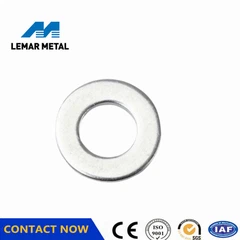
Steel is probably the most common material for washers, and for good reason. It's strong, durable, and relatively inexpensive. There are different types of steel used in washer manufacturing, like carbon steel and stainless steel.
Carbon steel washers are known for their high strength and hardness. They're great for applications where you need a washer that can withstand heavy loads and high pressures. However, they're prone to rusting, so they're often coated with zinc or other protective finishes to prevent corrosion.
On the other hand, stainless steel washers are corrosion-resistant, making them ideal for use in harsh environments. They contain chromium, which forms a thin oxide layer on the surface of the washer, protecting it from rust and other forms of corrosion. Stainless steel washers are commonly used in the food and beverage industry, marine applications, and outdoor equipment.
Brass Washers
Brass is another popular material for washers. It's a copper-zinc alloy that offers good corrosion resistance, electrical conductivity, and aesthetic appeal. Brass washers are often used in electrical applications because of their ability to conduct electricity. They're also used in plumbing and decorative applications because of their attractive golden color.
One of the advantages of brass washers is their malleability. They can be easily shaped and formed into different sizes and shapes, making them suitable for a wide range of applications. However, brass is relatively soft compared to steel, so it may not be suitable for applications where high strength is required.
Aluminum Washers
Aluminum is a lightweight and corrosion-resistant material that's commonly used in the aerospace and automotive industries. Aluminum washers are known for their high strength-to-weight ratio, which makes them ideal for applications where weight is a concern. They're also resistant to corrosion, making them suitable for use in outdoor and marine environments.
However, aluminum is a relatively soft material, so it may not be suitable for applications where high strength and hardness are required. Aluminum washers are often anodized or coated with other protective finishes to improve their durability and resistance to wear.
Plastic Washers
Plastic washers are becoming increasingly popular because of their low cost, lightweight, and corrosion resistance. They're made from various types of plastics, such as nylon, polypropylene, and polyethylene. Plastic washers are commonly used in electrical applications, plumbing, and automotive industries.
One of the advantages of plastic washers is their ability to provide insulation and prevent electrical conductivity. They're also resistant to chemicals and moisture, making them suitable for use in harsh environments. However, plastic washers may not be suitable for applications where high strength and durability are required.
Rubber Washers
Rubber washers are used to provide a seal and prevent leakage in various applications. They're made from different types of rubber, such as neoprene, silicone, and EPDM. Rubber washers are commonly used in plumbing, automotive, and industrial applications.


One of the advantages of rubber washers is their ability to conform to irregular surfaces and provide a tight seal. They're also resistant to chemicals, heat, and moisture, making them suitable for use in a wide range of environments. However, rubber washers may not be suitable for applications where high strength and durability are required.
Other Materials
In addition to the materials mentioned above, washers can also be made from other materials, such as bronze, titanium, and ceramic. Bronze washers are similar to brass washers but offer higher strength and wear resistance. Titanium washers are lightweight and corrosion-resistant, making them ideal for use in aerospace and medical applications. Ceramic washers are known for their high temperature resistance and electrical insulation properties.
Choosing the Right Material
When choosing the material for your washers, there are several factors to consider, such as the application, environment, load requirements, and cost. Here are some tips to help you choose the right material:
- Application: Consider the specific application where the washer will be used. For example, if the washer will be used in an electrical application, you may want to choose a material that offers good electrical conductivity, such as brass or copper.
- Environment: Consider the environment where the washer will be used. If the washer will be exposed to moisture, chemicals, or high temperatures, you may want to choose a material that offers good corrosion resistance and heat resistance, such as stainless steel or ceramic.
- Load Requirements: Consider the load requirements of the application. If the washer will be subjected to heavy loads or high pressures, you may want to choose a material that offers high strength and hardness, such as carbon steel or titanium.
- Cost: Consider the cost of the material. Some materials, such as titanium and ceramic, are more expensive than others, such as steel and plastic. Choose a material that meets your requirements and budget.
Our Products
As a washer supplier, we offer a wide range of washers made from different materials to meet the needs of our customers. Some of our popular products include Retaining Ring E-Clip, Din 6799 E Clip, and E Clip Retaining Lock Washer. These products are made from high-quality materials and are designed to provide reliable performance in various applications.
Conclusion
In conclusion, washers are made from a variety of materials, each with its own unique properties and advantages. When choosing the material for your washers, it's important to consider the application, environment, load requirements, and cost. By choosing the right material, you can ensure that your washers will provide reliable performance and meet your specific needs.
If you're interested in purchasing washers or have any questions about our products, please feel free to contact us. We're here to help you find the right washers for your application.
References
- ASM Handbook Volume 1: Properties and Selection: Irons, Steels, and High-Performance Alloys
- The Engineering ToolBox: Materials - Mechanical Properties
- Plastics Technology Handbook
Send Inquiry