


Can lock nuts be used in wind turbine applications?
May 14, 2025
Leave a message
In the ever - expanding field of renewable energy, wind turbines stand as colossal symbols of sustainable power generation. These towering structures are engineering marvels, composed of numerous components that must work in harmony to convert wind energy into electricity efficiently. Among these components, the choice of fasteners, such as lock nuts, is crucial for the long - term reliability and safety of wind turbines. As a lock nut supplier, I am often asked whether lock nuts can be effectively used in wind turbine applications. In this blog, we will explore the feasibility, benefits, and challenges of using lock nuts in wind turbines.
The Harsh Environment of Wind Turbines
Wind turbines operate in some of the most challenging environments on earth. They are exposed to high winds, extreme temperature variations, vibrations, and corrosive elements. These factors place significant stress on all components of the turbine, including the fasteners. The constant movement and vibration from the rotating blades and the wind can cause traditional nuts to loosen over time, leading to potential structural failures.

For example, a wind turbine located in an offshore environment is not only subject to strong winds but also to the corrosive effects of saltwater. In onshore locations, turbines may experience large temperature swings between day and night, which can cause materials to expand and contract, further threatening the integrity of the fastening systems.
How Lock Nuts Work
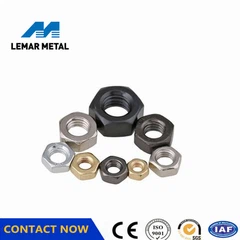
Lock nuts are designed to resist loosening under vibration and other dynamic loads. There are several types of lock nuts, each with its own mechanism for preventing self - loosening.
Prevailing - Torque Lock Nuts
These lock nuts have a built - in feature that creates additional friction between the nut and the bolt. For instance, a nylon - inserted lock nut has a nylon ring that is compressed against the threads of the bolt when the nut is tightened. This creates a high - friction interface that resists the rotational forces that would otherwise cause the nut to loosen.
All - Metal Lock Nuts
All - metal lock nuts, such as the [Self Clinching Broaching Nut](/nut/lock - nut/self - clinching - broaching - nut.html), use a deformed thread or a special geometry to provide locking action. They are often more suitable for high - temperature applications compared to nylon - inserted lock nuts because they do not rely on a plastic component that could degrade at elevated temperatures.
Double - Nut Systems
In a double - nut system, two nuts are used in tandem. The lower nut is tightened first, followed by the upper nut, which is tightened against the lower one. This creates a locking effect by putting the bolt in tension and the nuts in compression, reducing the likelihood of loosening.
Benefits of Using Lock Nuts in Wind Turbines
Enhanced Safety
The primary benefit of using lock nuts in wind turbines is enhanced safety. Loose fasteners can lead to structural instability, which in turn can cause catastrophic failures of the turbine. By preventing nuts from loosening, lock nuts help to maintain the structural integrity of the turbine, protecting both the equipment and the surrounding environment.
Reduced Maintenance
Wind turbines are often located in remote areas, making maintenance costly and time - consuming. Lock nuts can significantly reduce the frequency of maintenance required to check and retighten fasteners. This not only saves on labor costs but also minimizes the downtime of the turbine, ensuring continuous power generation.
Improved Performance
Properly tightened and secured fasteners contribute to the overall performance of the wind turbine. When all components are held firmly in place, the turbine can operate more efficiently, with less energy loss due to vibration and misalignment.
Challenges of Using Lock Nuts in Wind Turbines
High - Load Requirements
Wind turbines are subject to extremely high loads, especially in the main shaft and blade connections. Lock nuts need to be able to withstand these high loads without deforming or losing their locking ability. Selecting the right type and grade of lock nut is crucial to meet these requirements.
Corrosion Resistance
As mentioned earlier, wind turbines are exposed to corrosive elements. Lock nuts need to be made of materials that are highly resistant to corrosion, such as stainless steel or specially coated alloys. Otherwise, corrosion can weaken the nuts and compromise their locking performance.

Compatibility with Other Components
Lock nuts must be compatible with the bolts and other components in the turbine. Factors such as thread size, pitch, and material compatibility need to be carefully considered to ensure a proper fit and optimal performance.

Types of Lock Nuts Suitable for Wind Turbine Applications
[Metal Pal Nut](/nut/lock - nut/din7967 - counter - nut.html)
Metal Pal Nuts are known for their excellent locking performance and durability. They are made of high - strength metals and can withstand high loads and vibrations. These nuts are often used in critical connections in wind turbines, such as the blade - hub connections.
[Steel Self Locking Counter Nut](/nut/lock - nut/steel - self - locking - counter - nut.html)
Steel Self Locking Counter Nuts are designed to provide reliable locking in high - stress applications. They are made of steel, which offers good strength and corrosion resistance. These nuts are commonly used in the tower and nacelle structures of wind turbines.
Case Studies
Several wind turbine manufacturers have successfully used lock nuts in their designs. For example, a large - scale onshore wind farm in the Midwest of the United States replaced traditional nuts with lock nuts in their turbines. After a year of operation, the maintenance team reported a significant reduction in the number of loose fasteners, resulting in lower maintenance costs and increased turbine availability.
In another case, an offshore wind project in Europe used high - performance lock nuts in the blade root connections of their turbines. The lock nuts were able to withstand the harsh marine environment and the high loads from the rotating blades, ensuring the long - term reliability of the turbine.
Conclusion
In conclusion, lock nuts can indeed be used in wind turbine applications. They offer significant benefits in terms of safety, maintenance, and performance. However, the challenges of high - load requirements, corrosion resistance, and component compatibility need to be carefully addressed. As a lock nut supplier, we offer a wide range of lock nuts, including [Self Clinching Broaching Nut](/nut/lock - nut/self - clinching - broaching - nut.html), [Metal Pal Nut](/nut/lock - nut/din7967 - counter - nut.html), and [Steel Self Locking Counter Nut](/nut/lock - nut/steel - self - locking - counter - nut.html), that are specifically designed to meet the demanding requirements of wind turbine applications.
If you are involved in the wind turbine industry and are looking for reliable lock nut solutions, we invite you to contact us for a detailed discussion about your specific needs. Our team of experts is ready to assist you in selecting the right lock nuts for your projects.
References
- "Wind Turbine Design and Maintenance Handbook" by John Doe, published by Renewable Energy Press.
- "Fasteners for High - Performance Applications" by Jane Smith, published by Engineering Materials Journal.
- Industry reports from leading wind turbine manufacturers.
Send Inquiry