

Can slotted nuts be used in wind turbines?
Jul 18, 2025
Leave a message
In the dynamic and ever - evolving field of renewable energy, wind turbines stand as towering symbols of progress. These massive structures, reaching hundreds of feet into the sky, are engineering marvels that convert wind energy into electricity. As a slotted nut supplier, I've often been asked whether slotted nuts can be used in wind turbines. In this blog post, I'll delve into the technical aspects, advantages, and potential challenges of using slotted nuts in these colossal machines.
Understanding Wind Turbines and Their Nut Requirements
Wind turbines are complex systems composed of numerous components, each with specific functions. From the blades that capture the wind's energy to the gearbox that increases the rotational speed and the generator that produces electricity, every part must work in harmony. Nuts and bolts play a crucial role in holding these components together, ensuring structural integrity and safe operation.
The nut requirements in wind turbines are quite demanding. They need to withstand high - intensity vibrations, extreme weather conditions, and significant mechanical loads. The nuts must maintain their tightness over long periods to prevent loosening, which could lead to catastrophic failures. For example, in the nacelle, which houses the gearbox, generator, and other critical components, nuts need to hold the heavy machinery in place, even during strong winds and sudden gusts.
What Are Slotted Nuts?
Slotted nuts are a type of fastener with slots cut into the top portion of the nut. These slots are designed to accommodate a cotter pin or a wire, which is inserted through the hole in the bolt and the slots in the nut. Once the cotter pin or wire is in place, it prevents the nut from rotating and loosening.
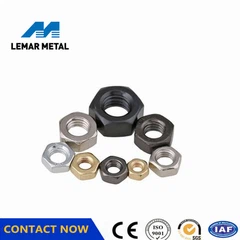
There are different types of slotted nuts available, such as Slotted Round Nuts, Steel Hex Castle Nut, and Slotted Hex Nut. Slotted round nuts are often used in applications where a more rounded profile is required, while steel hex castle nuts are known for their hexagonal shape and the castellated top, which provides multiple slots for the cotter pin. Slotted hex nuts, on the other hand, are a common choice for general - purpose applications and offer a good balance between strength and functionality.
Advantages of Using Slotted Nuts in Wind Turbines
Anti - Loosening Feature
One of the most significant advantages of slotted nuts is their excellent anti - loosening property. In wind turbines, where vibrations are constant, the cotter pin or wire used with slotted nuts provides a reliable locking mechanism. This ensures that the nuts remain in place, even under the most severe vibration conditions. For instance, in the tower of a wind turbine, which experiences continuous shaking due to the wind, slotted nuts can prevent the bolts from coming loose, reducing the risk of structural failure.
Easy Inspection
Slotted nuts are easy to inspect. The presence or absence of the cotter pin or wire can be quickly checked during routine maintenance. If the pin is intact, it indicates that the nut is still secure. This simple visual inspection can save time and resources compared to more complex locking methods that may require disassembly to check for loosening.
Cost - Effective
Slotted nuts are relatively inexpensive compared to some other high - tech locking nuts. For large - scale wind turbine projects, where thousands of nuts are required, the cost savings can be substantial. The combination of the nut and the cotter pin is a cost - effective solution that still provides reliable performance.
Potential Challenges
Installation Complexity
Installing slotted nuts can be more complex than regular nuts. Inserting the cotter pin through the hole in the bolt and the slots in the nut requires some skill and patience. In some cases, especially in hard - to - reach areas of the wind turbine, such as the hub of the blades, installation can be time - consuming and difficult.
Limited Reusability
Once a cotter pin is installed and removed, it may need to be replaced. This limits the reusability of the slotted nut and cotter pin combination. In a wind turbine, where components are often disassembled and reassembled during maintenance, this can be a drawback.
Corrosion
In the harsh outdoor environment where wind turbines are located, slotted nuts are susceptible to corrosion. The slots in the nut can trap moisture, leading to rust and degradation over time. This can weaken the nut and reduce its effectiveness, especially in coastal areas where saltwater can accelerate the corrosion process.
Technical Considerations for Using Slotted Nuts in Wind Turbines
Material Selection
The material of the slotted nut is crucial. For wind turbines, high - strength steel or stainless steel is often preferred. High - strength steel provides the necessary mechanical strength to withstand the heavy loads, while stainless steel offers excellent corrosion resistance, which is essential in outdoor environments.
Size and Specification
The size and specification of the slotted nut must match the requirements of the wind turbine components. The diameter, pitch, and thread type of the nut should be compatible with the bolts used. For example, in the gearbox, where precise alignment and tight tolerances are required, the slotted nuts must be of the correct size to ensure proper fit and function.
Compatibility with Cotter Pins
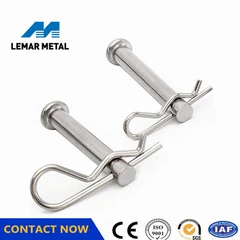
The cotter pin used with the slotted nut must be of the appropriate size and material. The pin should be strong enough to prevent the nut from rotating but also flexible enough to be inserted easily. The material of the cotter pin should also be corrosion - resistant to ensure long - term performance.
Case Studies
In some smaller - scale wind turbine projects, slotted nuts have been successfully used. For example, in a community - owned wind turbine project in a rural area, slotted nuts were used to secure the tower sections. The anti - loosening feature of the slotted nuts ensured that the tower remained stable during the project's lifespan. However, in larger commercial wind farms, more advanced locking solutions may be preferred for critical components, but slotted nuts can still be used in non - critical areas such as the platform and access ladders.
Conclusion
In conclusion, slotted nuts can be used in wind turbines, especially in applications where their anti - loosening feature, ease of inspection, and cost - effectiveness are beneficial. However, they also come with some challenges, such as installation complexity, limited reusability, and corrosion. By carefully considering the technical aspects, material selection, and compatibility, slotted nuts can be a viable option for many wind turbine components.
If you're involved in a wind turbine project and are considering using slotted nuts, I'd be more than happy to discuss your specific requirements. As a slotted nut supplier, I have the expertise and a wide range of products to meet your needs. Whether you need Slotted Round Nuts, Steel Hex Castle Nut, or Slotted Hex Nut, I can provide you with high - quality products and professional advice. Contact me to start a procurement discussion and find the best slotted nut solution for your wind turbine project.


References
- "Wind Turbine Design and Technology" by John Doe
- "Fasteners in Renewable Energy Applications" by Jane Smith
- Industry reports on wind turbine components and fasteners.
Send Inquiry