

How do anchor bolts compare to other fastening methods?
Jul 17, 2025
Leave a message
Hey there! I'm an anchor bolts supplier, and today I wanna chat about how anchor bolts stack up against other fastening methods.
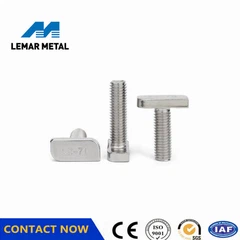
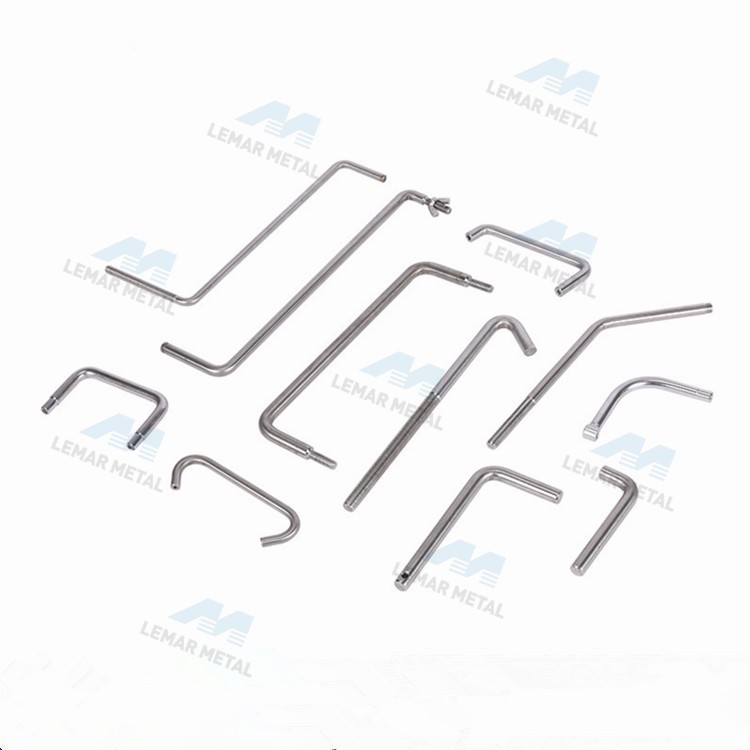
First off, let's talk about what anchor bolts are. Anchor bolts are used to attach structural elements to concrete or masonry. They come in different types, like Stainless Steel Anchor Bolt, 9 Shaped Foundation Bolt, and Carbon Steel Foundation Bolt.
Comparing with Welding
One common fastening method is welding. Welding creates a strong, permanent bond between two metal parts. It's great for applications where you need maximum strength and a rigid connection. However, welding also has its drawbacks.
For starters, welding requires specialized equipment and skilled labor. You can't just whip out a welding torch and start joining things together. You need to have proper training and safety measures in place. This means that welding can be expensive, both in terms of equipment costs and labor costs.
Anchor bolts, on the other hand, are relatively easy to install. You don't need a lot of fancy tools or a high - level of expertise. All you need is a drill to create a hole in the concrete or masonry, and then you can insert the anchor bolt. This makes anchor bolts a more cost - effective option for many projects, especially smaller ones or those on a tight budget.
Another issue with welding is that it can be time - consuming. Welding involves pre - heating the metal, making the weld, and then allowing it to cool. This process can take a while, especially if you're working on a large project. Anchor bolts can be installed much faster. You can drill the holes and insert the bolts in a matter of minutes, which can save a lot of time on the job site.
Comparing with Adhesive Fasteners
Adhesive fasteners are another option for joining materials. They work by applying an adhesive to the surfaces that need to be joined, and then pressing them together. Adhesives can provide a strong bond, and they're often used in applications where a clean, seamless look is desired.
However, adhesive fasteners have some limitations. One of the biggest problems is that they're sensitive to environmental conditions. High temperatures, moisture, and chemicals can all affect the performance of the adhesive. If the adhesive is exposed to these elements, it can lose its strength and the bond can fail.
Anchor bolts are much more resistant to environmental factors. They're made of metal, which is durable and can withstand a wide range of temperatures, moisture, and chemicals. This makes anchor bolts a more reliable option for outdoor or industrial applications where the fastening needs to hold up under harsh conditions.
Adhesive fasteners also have a limited load - bearing capacity. They're not as strong as anchor bolts when it comes to supporting heavy loads. If you're working on a project that requires a high - strength connection, like attaching a large piece of machinery to a concrete floor, anchor bolts are the better choice.
Comparing with Rivets
Rivets are a traditional fastening method that involves inserting a metal pin through holes in two or more pieces of material and then deforming the end of the pin to hold the pieces together. Rivets are known for their strength and reliability.

But riveting has some disadvantages. Riveting requires access to both sides of the material being joined. This can be a problem in some applications where one side of the material is not easily accessible. For example, if you're working on a wall or a ceiling, it can be difficult to reach the back side to install the rivets.
Anchor bolts, on the other hand, can be installed from one side. You only need access to the front side of the concrete or masonry to drill the hole and insert the bolt. This makes anchor bolts a more versatile option for many projects.
Another drawback of rivets is that they can be difficult to remove. Once a rivet is installed, it's there for good. If you need to disassemble the structure for maintenance or modification, you'll have to drill out the rivets, which can be a time - consuming and messy process. Anchor bolts can be easily removed by simply loosening the nut. This makes it easier to make changes to the structure in the future.
Advantages of Anchor Bolts
Anchor bolts offer several unique advantages. Firstly, they provide a high - strength connection. They're designed to resist shear and tensile forces, which means they can hold heavy loads securely. Whether you're attaching a building frame to a foundation or a bridge to a pier, anchor bolts can handle the job.
Secondly, anchor bolts are adjustable. You can tighten or loosen the nut on the bolt to adjust the tension and alignment of the connection. This is very useful during the installation process, as it allows you to make small adjustments to ensure that everything is properly aligned.
Finally, anchor bolts come in a variety of sizes and types. You can choose the right anchor bolt for your specific application, whether it's a small - scale DIY project or a large - scale industrial construction. As a supplier, I can offer you a wide range of options, from Stainless Steel Anchor Bolt for corrosion - resistant applications to Carbon Steel Foundation Bolt for heavy - duty projects.
Conclusion
In conclusion, anchor bolts have a lot going for them when compared to other fastening methods. They're cost - effective, easy to install, resistant to environmental factors, and adjustable. Whether you're a contractor, a DIY enthusiast, or an engineer, anchor bolts are a great choice for many fastening applications.
If you're in the market for anchor bolts, I'd love to talk to you. I can help you select the right type and size of anchor bolt for your project, and I can offer you competitive prices and fast delivery. Don't hesitate to reach out for a consultation. Let's work together to find the perfect fastening solution for your needs.
References
- "Fastening Technology Handbook" by J. H. Bickford
- "Construction Fasteners and Hardware" by McGraw - Hill
Send Inquiry