


What is the strength rating of a hexagon nut?
Jul 17, 2025
Leave a message
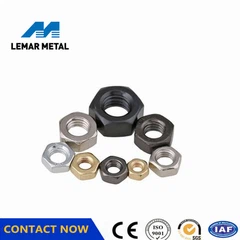
Hey there! As a hexagon nut supplier, I often get asked about the strength rating of hexagon nuts. It's a crucial topic, especially for those in the construction, manufacturing, and DIY sectors. So, let's dive right in and explore what the strength rating of a hexagon nut really means.
Understanding Strength Ratings
First off, the strength rating of a hexagon nut refers to its ability to withstand a certain amount of stress without failing. This is super important because nuts are used in all sorts of applications where they need to hold things together firmly. If a nut has a low strength rating and is used in a high - stress situation, it could break or deform, leading to serious problems.
Strength ratings are typically determined by a set of standards. In the United States, the Society of Automotive Engineers (SAE) and the American Society for Testing and Materials (ASTM) are two major organizations that set these standards. For example, SAE has a series of grades for nuts, like Grade 2, Grade 5, and Grade 8. Each grade has a specific minimum tensile strength, which is the maximum amount of pulling force the nut can handle before it breaks.
Factors Affecting Strength
There are several factors that can affect the strength rating of a hexagon nut.
Material
The material the nut is made from is a huge factor. For instance, nuts made from stainless steel are generally stronger and more corrosion - resistant than those made from mild steel. Stainless steel can withstand harsh environments, making it a great choice for outdoor or marine applications. Check out our Stainless Steel Hexagon Lock Nut for a high - quality option.
On the other hand, PVC nuts, like our Hex Nut PVC, are not as strong as metal nuts. However, they are lightweight, non - conductive, and resistant to chemicals, so they're perfect for applications where these properties are more important than high strength.
Manufacturing Process
The way the nut is manufactured also impacts its strength. Precision - machined nuts tend to have more consistent strength ratings compared to nuts made through less accurate methods. For example, cold - forged nuts are often stronger because the cold - forging process aligns the metal grains in a way that increases the nut's strength.
Size and Design
The size and design of the nut matter too. A larger nut can generally handle more stress than a smaller one. Also, nuts with a thicker wall or a special locking design, like lock nuts, can provide better resistance to loosening and higher strength in certain applications. Our Cutting PAL Nuts are designed with unique features that enhance their performance in specific situations.
How to Choose the Right Strength Rating
When you're choosing a hexagon nut, you need to consider the application it will be used in. If you're working on a light - duty project, like assembling a piece of furniture, a lower - strength nut might be sufficient. But if you're building a bridge or a heavy - machinery component, you'll need a nut with a high strength rating.


Here are some steps to help you choose:
- Determine the Load: Figure out how much stress the nut will be under. This could involve calculating the weight it needs to support or the amount of force it will be subjected to.
- Consider the Environment: Think about where the nut will be used. If it's in a corrosive environment, you might want a stainless - steel or coated nut.
- Check the Standards: Make sure the nut meets the relevant standards for your application. For example, if you're in the automotive industry, you'll want to use nuts that comply with SAE standards.
Importance of Using the Right Strength Rating
Using a hexagon nut with the correct strength rating is essential for safety and performance. If you use a nut that's too weak, it could fail under stress, leading to equipment breakdowns, accidents, or even injuries. On the other hand, using a nut that's stronger than necessary can be wasteful and more expensive.
For example, in a construction project, if you use a low - strength nut to secure a structural beam, the nut could break during a heavy load, causing the beam to collapse. This could have disastrous consequences for the building and everyone inside.
Our Range of Hexagon Nuts
As a supplier, we offer a wide range of hexagon nuts with different strength ratings to meet your needs. Whether you're looking for a simple, cost - effective nut for a small project or a high - strength nut for a critical application, we've got you covered.
We take pride in providing high - quality nuts that are manufactured to strict standards. Our team of experts is always available to help you choose the right nut for your specific requirements. We can answer any questions you have about strength ratings, materials, or applications.
Conclusion
In conclusion, the strength rating of a hexagon nut is a vital aspect to consider when choosing the right nut for your project. It's determined by factors like material, manufacturing process, size, and design. By understanding these factors and following the steps to choose the right nut, you can ensure the safety and performance of your applications.
If you're in the market for hexagon nuts, don't hesitate to get in touch with us. We're here to provide you with the best products and advice. Whether you need a single nut for a DIY project or a large quantity for a commercial job, we're ready to assist you. Contact us today to start your procurement process and let's find the perfect hexagon nuts for your needs.
References
- Society of Automotive Engineers (SAE) standards
- American Society for Testing and Materials (ASTM) standards
Send Inquiry