


How do I adjust the tightness of hex screws?
Jul 17, 2025
Leave a message
As a supplier of hex screws, I've encountered numerous customers who have questions about adjusting the tightness of these essential fasteners. Hex screws are widely used in various industries, from construction to electronics, and getting their tightness right is crucial for the stability and functionality of the assembled products. In this blog post, I'll share some practical tips on how to adjust the tightness of hex screws effectively.


Understanding the Basics of Hex Screws
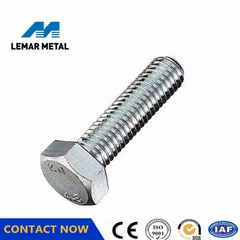
Before we dive into the adjustment process, it's important to have a basic understanding of hex screws. Hex screws, also known as hex head screws, have a hexagonal-shaped head that allows for easy tightening and loosening using a hex key or a wrench. They come in different sizes, materials, and thread types to suit different applications.
One of the key factors that affect the tightness of hex screws is the torque. Torque is the measure of the force applied to rotate the screw. Applying too much torque can lead to over-tightening, which may cause the screw to strip, break, or damage the surrounding material. On the other hand, applying too little torque can result in under-tightening, which may lead to the screw coming loose over time.
Tools Required for Adjusting Hex Screws
To adjust the tightness of hex screws, you'll need the following tools:
- Hex Keys or Wrenches: These are the most common tools used to tighten and loosen hex screws. Make sure you have the correct size of hex key or wrench that matches the size of the screw head.
- Torque Wrench: A torque wrench is a specialized tool that allows you to apply a specific amount of torque to the screw. This is especially useful when you need to ensure that the screw is tightened to a precise specification.
- Screwdriver: In some cases, you may need a screwdriver to hold the screw in place while you adjust its tightness.
Step-by-Step Guide to Adjusting Hex Screw Tightness
Here's a step-by-step guide on how to adjust the tightness of hex screws:
- Inspect the Screw and the Material: Before you start adjusting the tightness of the hex screw, inspect the screw and the material it's being installed in. Make sure the screw is the correct size and type for the application, and that the material is in good condition and free of any cracks or damage.
- Select the Right Tool: Choose the appropriate hex key or wrench that matches the size of the screw head. If you're using a torque wrench, set it to the recommended torque value for the screw.
- Insert the Tool into the Screw Head: Insert the hex key or wrench into the hexagonal socket of the screw head. Make sure the tool fits snugly and is properly aligned with the screw.
- Apply Torque: Slowly and steadily apply torque to the tool in a clockwise direction to tighten the screw. If you're using a torque wrench, continue applying torque until the wrench clicks, indicating that the desired torque value has been reached.
- Check the Tightness: Once you've tightened the screw, check its tightness by trying to turn it with your fingers. If the screw is too loose, repeat the process and apply more torque. If the screw is too tight, loosen it slightly by applying torque in the counterclockwise direction.
- Verify the Alignment: After adjusting the tightness of the screw, verify that it's properly aligned with the surrounding components. Make sure the screw is straight and that there's no gap between the screw head and the material.
- Repeat the Process: If you're installing multiple hex screws, repeat the process for each screw to ensure that they're all tightened to the same level of tightness.
Tips for Adjusting Hex Screw Tightness
Here are some additional tips to help you adjust the tightness of hex screws effectively:
- Follow the Manufacturer's Recommendations: Always refer to the manufacturer's recommendations for the recommended torque values and installation procedures for the hex screws you're using. This will help ensure that the screws are installed correctly and that they perform as intended.
- Use a Lubricant: Applying a small amount of lubricant, such as oil or grease, to the threads of the hex screw can help reduce friction and make it easier to tighten or loosen the screw. However, make sure you use a lubricant that's compatible with the material of the screw and the surrounding components.
- Avoid Over-Tightening: Over-tightening the hex screw can cause it to strip, break, or damage the surrounding material. To avoid over-tightening, use a torque wrench and follow the recommended torque values.
- Check for Loose Screws Regularly: Even after you've tightened the hex screws, it's important to check for loose screws regularly, especially in applications where the components are subject to vibration or movement. If you notice any loose screws, tighten them immediately to prevent further damage.
Different Types of Hex Screws and Their Tightening Considerations
As a hex screw supplier, we offer a wide range of hex screws, each with its own unique features and tightening considerations. Here are some of the most common types of hex screws and their tightening considerations:
- Confirmat Coarse Connecting Wood Screw: These screws are designed for use in wood applications and have a coarse thread that provides a strong grip. When tightening confirmat screws, make sure you use a drill bit that's the same size as the screw's pilot hole to prevent the wood from splitting.
- Flat Head Confirmat Screw: Flat head confirmat screws are similar to regular confirmat screws, but they have a flat head that sits flush with the surface of the wood. When tightening flat head confirmat screws, make sure you use a countersink bit to create a recess for the screw head to ensure a smooth finish.
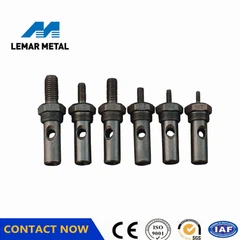
- 12.9 Shoulder Screws: These screws are made from high-strength alloy steel and have a shoulder that provides a precise location for the screw. When tightening 12.9 shoulder screws, make sure you use a torque wrench and follow the recommended torque values to prevent over-tightening and damage to the screw.
Conclusion
Adjusting the tightness of hex screws is an important part of any assembly process. By following the tips and guidelines outlined in this blog post, you can ensure that your hex screws are tightened correctly and that they perform as intended. If you have any questions or need further assistance with adjusting the tightness of hex screws, please don't hesitate to contact us. We're here to help you find the right hex screws for your application and to provide you with the support and expertise you need to ensure a successful installation.
If you're in the market for high-quality hex screws, we invite you to explore our extensive product range. We offer a wide variety of hex screws, including Confirmat Coarse Connecting Wood Screw, Flat Head Confirmat Screw, and 12.9 Shoulder Screws, all of which are manufactured to the highest standards of quality and precision. Contact us today to discuss your specific requirements and to get a quote for your next project.
References
- Machinery's Handbook, Industrial Press Inc.
- Fastener Standards, American Society of Mechanical Engineers (ASME)
Send Inquiry