



How do I calculate the number of anchor bolts needed for a project?
Sep 30, 2025
Leave a message
Calculating the number of anchor bolts needed for a project is a crucial step that requires a comprehensive understanding of various factors. As an anchor bolts supplier, I've encountered numerous clients who are unsure about this process. In this blog, I'll guide you through the key steps and considerations to accurately determine the quantity of anchor bolts required for your project.
Understanding the Basics of Anchor Bolts
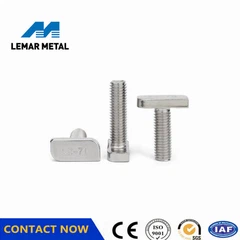
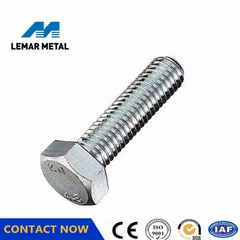
Anchor bolts are used to connect structural and non - structural elements to concrete. They provide stability and prevent movement or displacement of the attached components. There are different types of anchor bolts available, such as Stainless Steel Anchor Bolt, 9 Shaped Foundation Bolt, and Concrete Embedded Anchor Bolts. Each type has its own characteristics and applications, which will influence the calculation process.
Factors Affecting the Number of Anchor Bolts
- Load Requirements
The first and most important factor is the load that the anchor bolts need to support. This includes both static loads (such as the weight of the structure itself) and dynamic loads (such as wind, seismic forces, or vibrations). For example, in a building project, the weight of the floors, walls, and roof will contribute to the static load. Dynamic loads are more difficult to calculate as they depend on the location and the environmental conditions. Engineers typically use building codes and standards to determine the appropriate load values for a specific project. - Type of Structure
The type of structure being anchored also plays a significant role. A small shed will have different anchor bolt requirements compared to a large industrial building. The shape, size, and design of the structure will affect how the loads are distributed and transferred to the anchor bolts. For instance, a tall and slender structure may be more susceptible to wind - induced forces, requiring more or stronger anchor bolts. - Concrete Strength
The strength of the concrete in which the anchor bolts will be installed is another critical factor. Higher - strength concrete can support greater loads, which may allow for fewer anchor bolts or smaller - diameter bolts. The concrete strength is usually specified in terms of its compressive strength, which is measured in pounds per square inch (psi) or megapascals (MPa). Concrete with a higher compressive strength will have a better ability to resist the pull - out and shear forces exerted by the anchor bolts. - Spacing and Edge Distance
The spacing between anchor bolts and their distance from the edges of the concrete member are important considerations. Adequate spacing is necessary to ensure that the loads are evenly distributed among the bolts and to prevent over - stressing of the concrete. The edge distance is also crucial as it affects the pull - out resistance of the anchor bolts. Building codes and standards provide guidelines on the minimum and maximum spacing and edge distances for different types of anchor bolts.
Calculation Steps
- Determine the Total Load
The first step in calculating the number of anchor bolts is to determine the total load that the bolts need to support. This involves adding up all the static and dynamic loads acting on the structure. For example, if you are anchoring a steel beam to a concrete foundation, you need to consider the weight of the beam, any equipment or machinery mounted on it, and the forces due to wind or seismic activity. - Select the Appropriate Anchor Bolt
Based on the load requirements and the other factors mentioned above, select the appropriate type and size of anchor bolt. Consider the material, diameter, and length of the bolt. For example, Stainless Steel Anchor Bolt is a good choice for applications where corrosion resistance is required, such as in marine environments. - Calculate the Capacity of a Single Anchor Bolt
Once you have selected the anchor bolt, you need to determine its capacity. This is the maximum load that a single bolt can safely support. The capacity of an anchor bolt depends on its type, size, and the strength of the concrete. Manufacturers usually provide load - capacity tables for their anchor bolts, which are based on testing and engineering calculations. These tables take into account factors such as the pull - out strength, shear strength, and the embedment depth of the bolt. - Determine the Number of Anchor Bolts
Divide the total load by the capacity of a single anchor bolt to get the minimum number of bolts required. However, this is a simplified calculation, and in practice, additional factors such as safety factors and load distribution need to be considered. It is common to use a safety factor of 1.5 to 2.0 to account for uncertainties in the load calculations and the performance of the anchor bolts. For example, if the total load is 10,000 pounds and the capacity of a single anchor bolt is 2,000 pounds, without considering the safety factor, you would need 5 bolts. But with a safety factor of 1.5, you would need 7.5 (rounding up to 8) bolts.
Example Calculation
Let's assume we are anchoring a small steel platform to a concrete floor.
- Load Calculation
The weight of the platform itself is 500 pounds. We estimate that there may be an additional live load of 300 pounds due to people or equipment on the platform. The total static load is 500 + 300 = 800 pounds. We also consider a small dynamic load due to vibrations, which we estimate to be 200 pounds. So the total load is 800+200 = 1000 pounds. - Anchor Bolt Selection
We choose Concrete Embedded Anchor Bolts with a diameter of 1/2 inch. According to the manufacturer's load - capacity table, the pull - out capacity of a single 1/2 - inch concrete - embedded anchor bolt in our 3000 - psi concrete is 500 pounds. - Number of Anchor Bolts
Using a safety factor of 1.5, the required capacity of the anchor bolts is 1000×1.5 = 1500 pounds. Dividing the required capacity by the capacity of a single bolt, we get 1500/500 = 3. So we would need 3 anchor bolts for this project.
Conclusion
Calculating the number of anchor bolts needed for a project is a complex process that requires careful consideration of multiple factors. As an anchor bolts supplier, I understand the importance of providing accurate information and high - quality products to our customers. If you are unsure about the anchor bolt requirements for your project, it is always recommended to consult with a professional engineer. They can perform detailed calculations and ensure that your project meets all the safety and performance requirements.
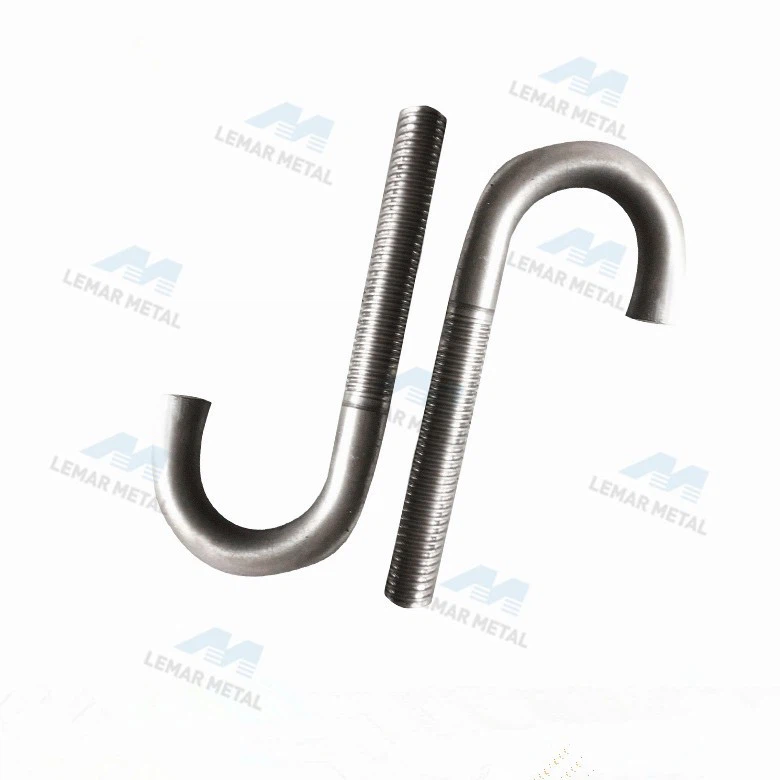
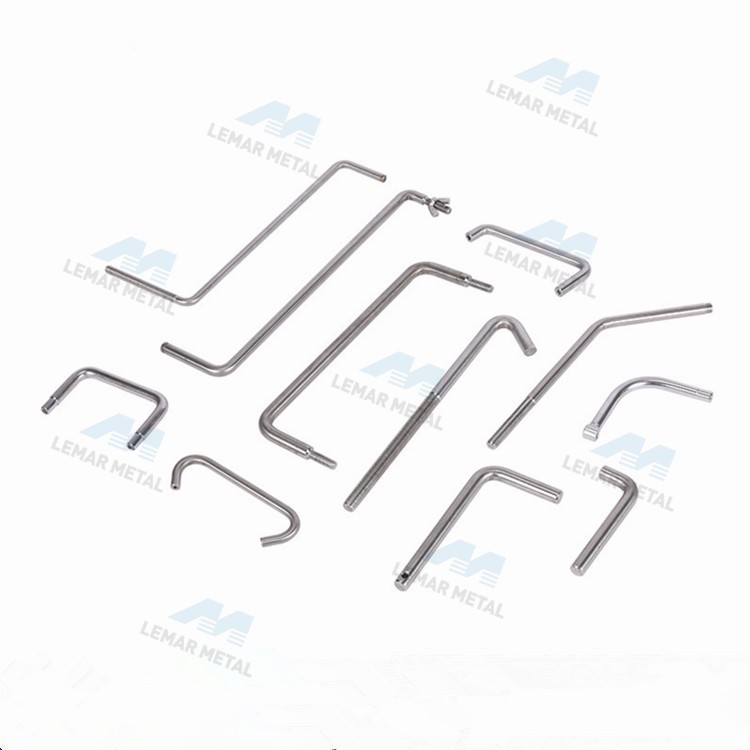
If you are in need of anchor bolts for your project, we are here to help. We offer a wide range of anchor bolts, including Stainless Steel Anchor Bolt, 9 Shaped Foundation Bolt, and Concrete Embedded Anchor Bolts. Our team of experts can assist you in selecting the right products and providing technical support. Contact us to discuss your project requirements and start the procurement process.
References
- Building Code Requirements for Structural Concrete (ACI 318)
- Design of Fastened Connections, AISC Design Guide 11
- Post - Installed Anchors in Concrete, ACI 355.2
Send Inquiry