


How do I improve the locking reliability of lock nuts?
Jun 23, 2025
Leave a message
As a dedicated supplier of lock nuts, I understand the critical importance of locking reliability in various industrial applications. Lock nuts play a pivotal role in preventing loosening due to vibration, thermal expansion, or other external forces. In this blog, I'll share some effective strategies to improve the locking reliability of lock nuts based on my experience in the industry.
Understanding the Basics of Lock Nuts
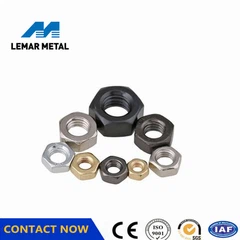
Before delving into the methods of enhancing locking reliability, it's essential to understand how lock nuts work. There are different types of lock nuts, each with its unique locking mechanism. For example, prevailing torque lock nuts use a deformable element to create friction against the mating thread, while self - locking nuts rely on a special design feature, such as a nylon insert or a wedge - shaped component, to resist loosening.
Selecting the Right Type of Lock Nut
The first step in improving locking reliability is choosing the appropriate lock nut for the specific application. Different environments and loads require different types of lock nuts.
- Prevailing Torque Lock Nuts: These are suitable for applications where a consistent locking force is required. They can be used in automotive engines, machinery, and aerospace components. For instance, in an automotive engine, where there are high - frequency vibrations, prevailing torque lock nuts can prevent the loosening of critical components, ensuring the engine's smooth operation.
- Self - Locking Nylon Insert Nuts: These nuts are excellent for general - purpose applications. The nylon insert provides a reliable locking mechanism, and they are relatively inexpensive. They are commonly used in electronic enclosures, furniture assembly, and small - scale machinery.
- Wedge - Type Lock Nuts: These are ideal for applications with high - vibration levels and dynamic loads. They work by creating a wedge - shaped force between the nut and the bolt, which resists loosening. Industries such as construction equipment and heavy - duty machinery often use wedge - type lock nuts.
Proper Installation Techniques
Even the best - designed lock nuts may fail to provide reliable locking if they are not installed correctly. Here are some key installation techniques to follow:
- Clean the Threads: Before installing the lock nut, ensure that the threads of both the bolt and the nut are clean and free of debris, dirt, or rust. Contaminants can reduce the friction between the threads, leading to loosening. For example, in a marine environment, saltwater corrosion can cause rust on the threads. Cleaning the threads with a wire brush and applying an anti - corrosion lubricant can improve the locking performance.
- Use the Correct Torque: Applying the correct torque is crucial for achieving reliable locking. Over - tightening can damage the threads or the lock nut itself, while under - tightening can result in insufficient locking force. Refer to the manufacturer's torque specifications for the specific lock nut and bolt combination. In industrial applications, torque wrenches are commonly used to ensure accurate torque application. For example, in a large - scale manufacturing plant, workers use calibrated torque wrenches to install lock nuts on production equipment, ensuring consistent locking performance.
- Align the Nut Properly: Make sure that the lock nut is aligned correctly with the bolt threads. Misalignment can cause uneven stress distribution on the threads, leading to premature failure. In a precision - engineered component, such as a medical device, proper alignment is essential to ensure the long - term reliability of the lock nut.
Surface Treatment and Coating
Surface treatment and coating can significantly improve the locking reliability of lock nuts.
- Zinc Plating: Zinc plating is a common surface treatment for lock nuts. It provides corrosion resistance and also improves the friction between the threads. In outdoor applications, such as in a bridge construction project, zinc - plated lock nuts can prevent rusting and ensure reliable locking over an extended period.
- Phosphate Coating: Phosphate coating can improve the adhesion of lubricants to the threads, reducing friction and wear. It also provides some corrosion protection. In high - temperature applications, such as in a furnace or an engine exhaust system, phosphate - coated lock nuts can withstand the heat and maintain their locking performance.
- Anti - Seize Compounds: Applying an anti - seize compound to the threads can prevent galling and improve the locking reliability. Anti - seize compounds are particularly useful in applications where the lock nut may be subjected to high temperatures or chemical exposure. For example, in a chemical processing plant, anti - seize compounds can prevent the threads from seizing due to chemical reactions.
Regular Inspection and Maintenance
Regular inspection and maintenance are essential to ensure the long - term locking reliability of lock nuts.
- Visual Inspection: Periodically inspect the lock nuts for signs of wear, damage, or loosening. Look for cracks, deformation, or corrosion on the nut and the bolt threads. In a transportation fleet, such as a trucking company, regular visual inspections of the lock nuts on the vehicles' suspension systems can prevent accidents caused by loose components.
- Torque Check: Perform regular torque checks on the lock nuts to ensure that they are still tightened to the correct specification. Over time, vibration and thermal cycling can cause the torque to change. In a power generation plant, where there are large - scale turbines and generators, regular torque checks on the lock nuts can prevent equipment failures.
- Replacement: If a lock nut shows signs of significant wear or damage, replace it immediately. Using a worn - out lock nut can compromise the safety and reliability of the entire system. In a high - risk application, such as an aircraft, strict replacement policies are in place for lock nuts to ensure flight safety.
Utilizing Advanced Lock Nut Technologies
In recent years, there have been significant advancements in lock nut technologies that can further improve locking reliability.
- Self Clinching Rivet Nut: These nuts are designed to be installed directly into thin - sheet materials. They provide a strong and reliable locking mechanism without the need for additional threading operations. In the electronics industry, self - clinching rivet nuts are commonly used in the assembly of printed circuit boards and electronic enclosures.
- Thread Insert Nut For Wood: These nuts are specifically designed for use in wood applications. They provide a secure thread in wood materials, which can be challenging due to the softness and porosity of wood. In furniture manufacturing, thread insert nuts for wood are used to assemble wooden components, ensuring a reliable and long - lasting connection.
- Brass Knurled Round Nut: Brass knurled round nuts are not only aesthetically pleasing but also provide a reliable locking mechanism. The knurled surface allows for easy hand - tightening, and the brass material offers good corrosion resistance. They are commonly used in decorative and light - duty applications, such as in the assembly of musical instruments or jewelry boxes.
Conclusion
Improving the locking reliability of lock nuts is a multi - faceted process that involves selecting the right type of lock nut, proper installation techniques, surface treatment, regular inspection, and utilizing advanced technologies. As a lock nut supplier, I am committed to providing high - quality lock nuts and sharing my knowledge and expertise with customers.
If you are looking for reliable lock nuts for your specific application or have any questions about improving locking reliability, I encourage you to contact me for a detailed discussion. We can work together to find the best lock nut solution for your needs.


References
- Machinery's Handbook, Industrial Press Inc.
- Fastener Technology Handbook, ASM International.
- Lock Nut Manufacturer's Installation Guides.
Send Inquiry