

How do I remove a screw that is stuck in a tight space?
Apr 17, 2026
Leave a message
Removing a screw that's stuck in a tight space can be a real pain in the you - know - what! As a screw supplier, I've dealt with all sorts of screw - related issues, and I know how frustrating it can be when you're faced with a stubborn screw in a hard - to - reach spot. In this blog, I'll share some tips and tricks that I've learned over the years to help you get that pesky screw out.
First things first, let's talk about why screws get stuck in tight spaces. There could be several reasons. One common cause is corrosion. If the screw has been exposed to moisture or the elements for a long time, it can start to rust. Rust makes the screw expand and grip the surrounding material more tightly, making it difficult to turn. Another reason could be over - tightening. Sometimes, when people install screws, they use too much force, and the screw gets jammed in place. Also, debris or dirt can accumulate in the screw head or the surrounding area, preventing the screwdriver from getting a good grip.
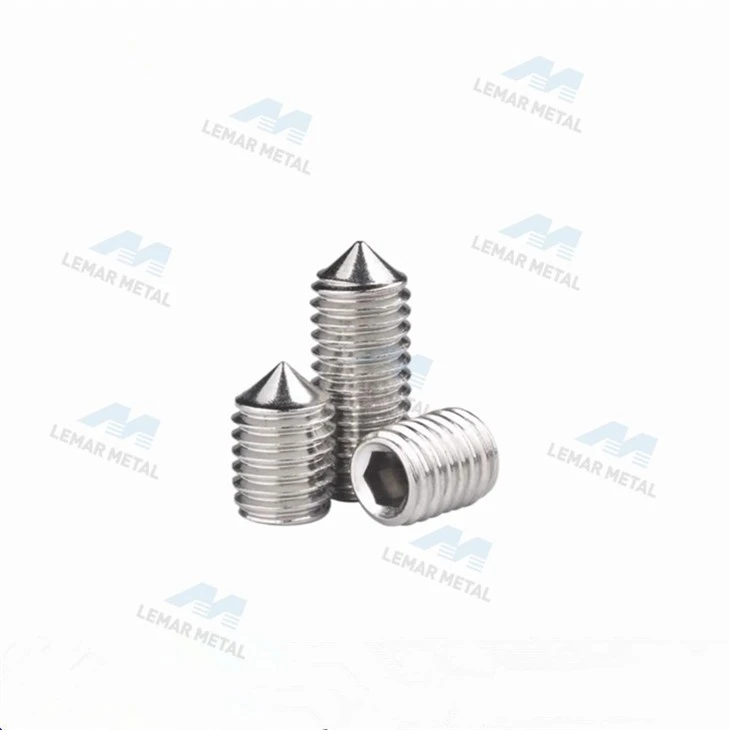
Now, let's get into the tools you'll need. The most basic tool is a good set of screwdrivers. You'll want a variety of sizes and types to match the screw you're trying to remove. For example, if you're dealing with a DIN 914 Set Screw, make sure you have the right size and shape of screwdriver tip. You might also need an adjustable wrench or pliers if you need to apply extra force.
Here's the step - by - step process to remove a stuck screw in a tight space:
Step 1: Assess the situation
Take a good look at the screw and the surrounding area. Try to determine why the screw is stuck. Look for signs of corrosion, over - tightening, or debris. This will help you decide which method to use.
Step 2: Clean the area
Use a brush or compressed air to clean any dirt or debris from the screw head. This will give your screwdriver a better chance of getting a good grip. If there's a lot of dirt, you might also want to use a little bit of solvent to clean the area. Just make sure the solvent is safe for the material you're working on.
Step 3: Try using the right screwdriver
Make sure you're using the correct screwdriver for the screw you're trying to remove. If the screwdriver is too big or too small, it won't fit properly and you won't be able to turn the screw. If the screw head is worn or stripped, you might need to use a special screwdriver bit, like a screw extractor. A screw extractor is designed to grip the inside of the screw head and turn it in the opposite direction.
Step 4: Apply some lubricant
If the screw is corroded, applying a lubricant like WD - 40 can help loosen it up. Spray the lubricant around the base of the screw and let it sit for a few minutes. The lubricant will penetrate the rust and make it easier to turn the screw. You can also try using a rust - dissolving agent if the corrosion is really bad.
Step 5: Use extra leverage
In some cases, you might need to apply extra force to turn the screw. You can do this by using an adjustable wrench or pliers on the screwdriver handle. This will give you more leverage and make it easier to turn the screw. Just be careful not to apply too much force, as this could damage the screw or the surrounding material.
Step 6: Heat the screw
If all else fails, you can try heating the screw. Use a heat gun or a soldering iron to gently heat the area around the screw. The heat will cause the metal to expand, which might loosen the screw. Just be careful not to overheat the area, as this could damage the material you're working on. After heating, let the screw cool down for a few minutes and then try turning it again.
Now, let's talk about some alternative methods for removing a stuck screw in a tight space.
If you're dealing with a Fan Head Screw or a similar type of screw with a flat top, you can try using a rubber band. Place a thick rubber band over the screw head and then place your screwdriver on top of the rubber band. The rubber band will provide extra grip and help you turn the screw.
For a Slotted Set Grub Screw or a screw with a small slot, you can try using a hacksaw to cut a new slot in the screw head. Just be very careful when using a hacksaw, as it's easy to cut into the surrounding material. Once you've cut a new slot, you can use a flat - head screwdriver to turn the screw.
As a screw supplier, I know that having the right screws for the job is crucial. Our screws are made from high - quality materials and are designed to last. Whether you're working on a DIY project at home or a large - scale industrial job, we've got the screws you need.
If you're having trouble finding the right screw for your needs, or if you need more advice on removing stuck screws, don't hesitate to reach out. We're here to help you with all your screw - related problems. You can get in touch with our team to discuss your requirements and start a purchase negotiation. We'll work with you to find the perfect solution for your project.

Send Inquiry