



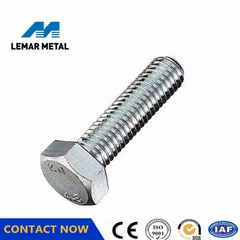
How do you prevent hex screws from rusting?
Jun 05, 2026
Leave a message
Hey there! As a hex screws supplier, I've seen my fair share of rusty screws over the years. Rust is not only an eyesore but can also compromise the integrity of the screws, making them less effective and potentially dangerous. In this blog, I'm going to share some practical tips on how you can prevent hex screws from rusting.
Understanding Rust
Before we dive into prevention methods, let's quickly understand what rust is. Rust is a form of corrosion that occurs when iron or steel reacts with oxygen and water. Hex screws are typically made of metal, which means they're susceptible to rust. The process of rusting can be accelerated by factors like humidity, exposure to saltwater, and certain chemicals.
Choose the Right Material
One of the most effective ways to prevent rust is to choose the right material for your hex screws. Stainless steel is a popular choice because it contains chromium, which forms a protective layer on the surface of the screw, preventing oxygen and water from reaching the metal. There are different grades of stainless steel, with 304 and 316 being the most common for hex screws. Grade 316 is more corrosion-resistant, especially in marine environments, so if you're using the screws near saltwater, it's a good idea to go for 316.


Another option is brass. Brass is an alloy of copper and zinc, and it has good corrosion resistance. It's also aesthetically pleasing, making it a great choice for applications where appearance matters, like furniture. You can check out our Internal Hex Socket Set Screw and Countersunk Hexagon Socket Screw in different materials on our website.
Apply a Protective Coating
Applying a protective coating to the hex screws can significantly reduce the risk of rust. There are several types of coatings available:
- Zinc plating: This is a common and cost-effective coating. Zinc acts as a sacrificial metal, corroding in place of the steel screw. It provides a basic level of protection against rust.
- Powder coating: Powder coating involves applying a dry powder to the screw and then baking it to form a hard, protective layer. It can come in a variety of colors and provides good protection against scratches and rust.
- Hot-dip galvanizing: This process involves dipping the screws in molten zinc. It creates a thick, durable coating that offers excellent corrosion resistance, especially in harsh environments.
Proper Storage
How you store your hex screws can also play a big role in preventing rust. Here are some storage tips:
- Keep them dry: Moisture is the enemy when it comes to rust. Store your screws in a dry place, away from areas with high humidity, like basements or bathrooms. You can use airtight containers or zip-lock bags to keep the screws dry.
- Separate from other metals: If you store different types of metals together, it can cause galvanic corrosion. Make sure to keep your hex screws separate from other metals, especially those that are more reactive.
- Use desiccants: Desiccants are substances that absorb moisture. You can place desiccant packets in the storage containers to help keep the screws dry.
Regular Maintenance
Regular maintenance can help you catch any signs of rust early and take action to prevent it from spreading. Here's what you can do:
- Inspect the screws: Periodically check your hex screws for any signs of rust. If you notice any rust spots, you can remove them using a wire brush or sandpaper. After removing the rust, you can apply a new protective coating to prevent further rusting.
- Lubricate the screws: Lubricating the screws can help reduce friction and prevent rust. You can use a light oil or grease to lubricate the screws. Make sure to wipe off any excess lubricant to prevent dirt and debris from sticking to the screws.
Environmental Considerations
The environment in which the hex screws are used can also affect their susceptibility to rust. Here are some environmental factors to consider:
- Humidity: High humidity levels can accelerate the rusting process. If you're using the screws in a humid environment, you may need to take extra precautions, such as using a more corrosion-resistant material or applying a protective coating.
- Saltwater: Saltwater is highly corrosive and can cause rapid rusting. If you're using the screws near saltwater, make sure to choose a material that is resistant to saltwater corrosion, like 316 stainless steel.
- Chemicals: Exposure to certain chemicals can also cause rust. If you're using the screws in an environment where they may come into contact with chemicals, make sure to choose a material that is resistant to those chemicals.
Conclusion
Preventing hex screws from rusting is all about choosing the right material, applying a protective coating, proper storage, regular maintenance, and considering the environmental factors. By following these tips, you can ensure that your hex screws stay in good condition and last longer.
If you're in the market for high-quality hex screws, we've got you covered. We offer a wide range of hex screws, including Internal Hex Socket Set Screw, Countersunk Hexagon Socket Screw, and Furniture Confirmat Screw. Contact us to discuss your specific requirements and let's start a great business partnership!
References
- "Corrosion Basics" by NACE International
- "Materials Science and Engineering" by William D. Callister, Jr.
Send Inquiry