

What is the edge finish of a flat washer?
Jun 04, 2026
Leave a message
When it comes to flat washers, an often overlooked but crucial aspect is the edge finish. As a trusted flat washer supplier, we understand the significance of edge finishes in enhancing the performance, safety, and aesthetics of these simple yet indispensable components. In this blog post, we will delve into what edge finishes are, their types, and why they matter in various applications.
Understanding Edge Finish
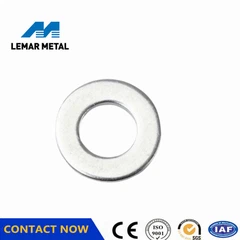
The edge finish of a flat washer refers to the treatment or processing applied to the outer and inner edges of the washer. This finish can significantly impact the washer's functionality and its interaction with other components in an assembly. The edges of a flat washer are the areas that come into direct contact with the mating surfaces, such as bolts, nuts, and the parts being fastened. Therefore, the quality of the edge finish can affect factors like load distribution, corrosion resistance, and the prevention of damage to adjacent components.
Types of Edge Finishes
1. Chamfered Edges
Chamfered edges are one of the most common edge finishes for flat washers. A chamfer is a beveled edge that is created by removing a small amount of material from the corner of the washer. This beveled edge serves several important functions. Firstly, it reduces the risk of sharp edges that could cause injury during handling or assembly. Secondly, it helps to prevent the edges from digging into the mating surfaces, which can lead to damage or uneven load distribution. Chamfered edges also make it easier to insert the washer onto a bolt or into a hole, improving the overall assembly process. For example, in applications where the washer needs to be quickly and easily installed, such as in automotive manufacturing, chamfered edges can save time and reduce the likelihood of errors.
2. Rounded Edges
Rounded edges are another popular edge finish option. Similar to chamfered edges, rounded edges eliminate sharp corners, making the washer safer to handle. However, rounded edges provide a more gradual transition between the flat surface of the washer and the edge, which can be beneficial in applications where the washer is subject to high loads or vibrations. The rounded shape helps to distribute the load evenly across the edge, reducing stress concentrations that could lead to premature failure. In addition, rounded edges can be more aesthetically pleasing, which may be important in applications where the washer is visible, such as in consumer products or architectural hardware.
3. Deburred Edges
Deburring is the process of removing burrs, which are small, rough projections of material that can form on the edges of a washer during manufacturing. Burrs can cause a variety of problems, including scratching the mating surfaces, interfering with the proper seating of the washer, and increasing the risk of corrosion. Deburred edges are smooth and free of these projections, ensuring a clean and tight fit. This not only improves the performance of the washer but also enhances its longevity. For example, in high-pressure applications, such as hydraulic systems, deburred edges are essential to prevent leaks and ensure the reliability of the system.

4. Special Finishes
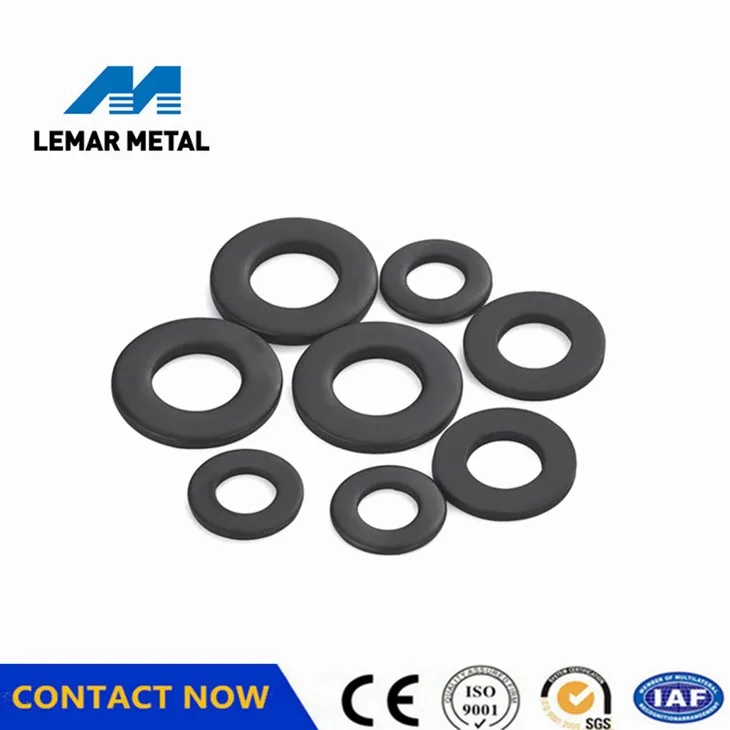
In some cases, special edge finishes may be required to meet specific application requirements. For example, a black oxide finish can be applied to the edges of a flat washer to improve its corrosion resistance and provide a sleek, black appearance. This finish is commonly used in applications where the washer is exposed to moisture or harsh environments, such as in outdoor equipment or marine applications. Another special finish is a zinc plating, which provides a protective layer that helps to prevent rust and corrosion. Zinc-plated flat washers are widely used in construction, automotive, and electrical industries.
Why Edge Finishes Matter
1. Performance
The edge finish of a flat washer can have a significant impact on its performance. A proper edge finish ensures that the washer distributes the load evenly across the mating surfaces, preventing overloading and premature wear. This is especially important in applications where the washer is subjected to high loads, vibrations, or dynamic forces. For example, in a engine block, the flat washers used to secure the bolts must have a high-quality edge finish to ensure that the bolts remain tight and the engine operates smoothly.
2. Safety
Sharp edges on a flat washer can pose a safety hazard during handling and assembly. Workers may cut themselves on the edges, and in some cases, the sharp edges can cause damage to other components in the assembly. By choosing a washer with a proper edge finish, such as chamfered or rounded edges, the risk of injury and damage can be significantly reduced.
3. Corrosion Resistance
The edges of a flat washer are often more vulnerable to corrosion than the rest of the washer. This is because the edges are more exposed to the environment and can be more easily damaged, which can break the protective coating and allow corrosion to occur. By applying a corrosion-resistant edge finish, such as black oxide or zinc plating, the lifespan of the washer can be extended, and the reliability of the assembly can be improved.
4. Aesthetics
In some applications, the appearance of the flat washer is important. For example, in consumer products or architectural hardware, the washer may be visible, and a high-quality edge finish can enhance the overall appearance of the product. A smooth, polished edge finish can give the washer a professional and refined look, which can be appealing to customers.
Our Flat Washer Offerings
As a leading flat washer supplier, we offer a wide range of flat washers with different edge finishes to meet the diverse needs of our customers. Our DIN 9021 Flat Washers are manufactured to the highest standards and are available with various edge finishes, including chamfered, rounded, and deburred edges. These washers are suitable for a wide range of applications, from mechanical engineering to automotive manufacturing.
We also provide Black Flat Washer with a black oxide finish, which not only provides excellent corrosion resistance but also gives the washer a sleek and modern appearance. These washers are ideal for applications where both performance and aesthetics are important, such as in furniture manufacturing or electronic devices.
In addition, our High Quality Stainless Steel Flat Washer are made from high-grade stainless steel and are available with a variety of edge finishes. Stainless steel washers are known for their excellent corrosion resistance and durability, making them suitable for applications in harsh environments, such as in the marine and chemical industries.
Conclusion
The edge finish of a flat washer is a critical factor that can affect its performance, safety, corrosion resistance, and aesthetics. By understanding the different types of edge finishes and their benefits, you can choose the right washer for your specific application. As a reliable flat washer supplier, we are committed to providing high-quality washers with the best edge finishes to meet your needs. If you have any questions or would like to discuss your flat washer requirements, please feel free to contact us for a detailed consultation. We look forward to the opportunity to serve you and help you find the perfect flat washer solution for your project.
References
- Machinery's Handbook, 31st Edition
- ASME B18.22.1 - Standard for Flat Washers
- ASTM F436 - Standard Specification for Hardened Steel Washers
Send Inquiry