

How do you verify the quality of bolts upon purchase?
May 21, 2025
Leave a message
Hey there! As a bolts supplier, I know how crucial it is to ensure the quality of bolts when you're making a purchase. Whether you're a DIY enthusiast working on a home project or a professional contractor handling large - scale construction, the last thing you want is to end up with sub - par bolts. In this blog, I'm going to share some tips on how to verify the quality of bolts upon purchase.
Visual Inspection
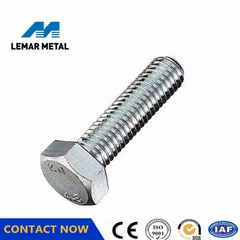
The first step in checking bolt quality is a simple visual inspection. Start by looking at the surface finish. A high - quality bolt should have a smooth, uniform finish. Any signs of rust, pitting, or rough spots can be a red flag. Rust not only affects the appearance but can also weaken the bolt over time, especially in outdoor or high - humidity environments.
Check the threading as well. The threads should be clean, sharp, and evenly spaced. If you notice any damaged or deformed threads, it can cause problems during installation. For example, uneven threads may not allow the nut to tighten properly, leading to a loose connection that can compromise the integrity of your project.
Dimensions and Tolerances
Next, it's important to verify the dimensions of the bolts. This includes the diameter, length, and thread pitch. You can use a caliper or a micrometer to measure these dimensions accurately. Make sure the measurements match the specifications provided by the supplier.
Tolerances are also a key factor. Every bolt has a specified tolerance range, which indicates the acceptable variation in its dimensions. If a bolt's dimensions fall outside the tolerance range, it may not fit properly in your application. For instance, if the diameter is too large, it may not fit through the pre - drilled holes; if it's too small, the connection may be loose.
Material and Grade
The material and grade of the bolt play a significant role in its quality and performance. Bolts can be made from various materials such as steel, stainless steel, brass, and aluminum. Each material has its own properties and is suitable for different applications.
Steel bolts are commonly used due to their strength and affordability. However, they can rust if not properly coated. Stainless steel bolts, on the other hand, are corrosion - resistant and are ideal for outdoor or wet environments. When you're purchasing bolts, make sure to ask about the material and its grade.
The grade of a bolt indicates its strength. For example, in the United States, bolts are often graded using a system like Grade 2, Grade 5, and Grade 8. Higher - grade bolts are stronger and can withstand more stress. You can usually find the grade marked on the head of the bolt. If there's no marking, or if the marking looks suspicious, it's a good idea to ask the supplier for documentation to verify the grade.
Certification and Testing
Reputable bolt suppliers should be able to provide certification for their products. This certification shows that the bolts have been tested and meet certain quality standards. Look for certifications such as ISO 9001, which indicates that the manufacturer has a quality management system in place.
Some suppliers may also offer test reports for their bolts. These reports can include information about the bolt's tensile strength, hardness, and other mechanical properties. By reviewing these reports, you can get a better understanding of the bolt's quality and performance.
Tensile and Shear Strength
Tensile strength is the maximum amount of pulling force a bolt can withstand before breaking. Shear strength, on the other hand, is the maximum amount of sideways force a bolt can handle. These properties are crucial, especially in applications where the bolts will be subjected to heavy loads.
To verify the tensile and shear strength of a bolt, you can rely on the supplier's test reports or certifications. If possible, you can also conduct your own simple tests. For example, you can try to bend the bolt slightly (within a safe limit) to see how it responds. A high - quality bolt should resist bending and not show any signs of cracking or deformation.
Nut Compatibility
Don't forget to check the compatibility of the nuts with the bolts. The nut should fit smoothly onto the bolt threads and tighten evenly. If the nut is too loose or too tight, it can affect the performance of the connection.


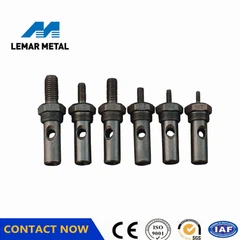
You can also test the locking mechanism if the bolt is a special type, like the Antiluce Drop Lock. This type of bolt is designed to prevent the nut from loosening due to vibration or other factors. Make sure the locking mechanism works as intended by tightening and loosening the nut a few times.
Brand Reputation
Another important aspect is the brand reputation of the bolt supplier. A well - known and respected brand is more likely to produce high - quality bolts. You can check online reviews, ask for recommendations from other professionals in the industry, or look for awards or certifications that the brand has received.
A brand with a good reputation is also more likely to stand behind its products. If you have any issues with the bolts, they will be more responsive and willing to provide a solution.
Cost - Quality Balance
While quality is important, you also need to consider the cost. Sometimes, you may find that higher - quality bolts are more expensive. However, it's important to weigh the cost against the long - term benefits. A cheaper bolt may save you money upfront, but if it fails prematurely, it can end up costing you more in terms of repairs and replacements.
Look for a supplier that offers a good balance between cost and quality. You may be able to find a mid - range option that meets your requirements without breaking the bank.
Conclusion
Verifying the quality of bolts upon purchase is a multi - step process that involves visual inspection, checking dimensions, material and grade, certification, and performance properties. By taking the time to do these checks, you can ensure that you're getting high - quality bolts that will perform well in your application.
If you're in the market for high - quality bolts, I'd love to have a chat with you. Whether you have questions about the quality verification process or want to discuss your specific needs, feel free to reach out. I'm here to help you make the right choice for your project.
References
- Machinery's Handbook, 31st Edition
- ASTM International Standards for Fasteners
Send Inquiry