

How much does a latchclip cost?
Apr 22, 2026
Leave a message
Latches are essential components in various industries, from automotive to furniture. They provide secure fastening and easy access, making them a popular choice for many applications. As a latchclip supplier, I often get asked about the cost of latchclips. In this blog post, I'll delve into the factors that influence the cost, provide some price ranges, and discuss ways to optimize your procurement process.
Factors Affecting the Cost of Latchclips
1. Material
The material used to manufacture latchclips is one of the primary cost - determining factors. Common materials include steel, stainless steel, aluminum, and plastic.
- Steel: Steel latchclips are often the most cost - effective option. They offer good strength and durability, making them suitable for general applications. However, they may be susceptible to rust if not properly coated.
- Stainless Steel: Stainless steel provides excellent corrosion resistance, which is crucial in applications exposed to moisture or harsh environments. The higher cost of raw materials and the production process for stainless steel result in a more expensive latchclip compared to steel.
- Aluminum: Aluminum is lightweight and corrosion - resistant, making it ideal for applications where weight is a concern, such as in the aerospace or automotive industries. The cost of aluminum latchclips is relatively high due to the material properties and processing requirements.
- Plastic: Plastic latchclips are the cheapest option. They are lightweight and can be used in non - high - stress applications. However, they may not offer the same level of strength and durability as metal latchclips.
2. Design Complexity
Simple latchclip designs are generally less expensive to produce than complex ones. Basic designs require less material and simpler manufacturing processes, reducing production costs. On the other hand, latchclips with intricate shapes, custom sizes, or special features like built - in locks or unique release mechanisms will be more costly due to the increased complexity of the manufacturing process, including precision machining, specialized tooling, and longer production times.
3. Manufacturing Process
The manufacturing method used to create the latchclips also impacts the cost.
- Stamping: Stamping is a cost - effective manufacturing process for mass - producing simple latchclips. It involves using a press and a die to cut and shape the material. This method is suitable for producing large quantities quickly and efficiently.
- Machining: Machining is a more precise but also more expensive process. It is used to create complex latchclip designs with tight tolerances. Machining involves removing material from a workpiece using cutting tools, which consumes more time and resources.
- Molding: For plastic latchclips, molding is the common manufacturing process. The cost of molding depends on the complexity of the mold and the volume of production. High - volume production can reduce the per - unit cost of molded latchclips.
4. Quantity
The quantity of latchclips you order has a significant impact on the cost per unit. As a general rule, the more you order, the lower the cost per latchclip. This is because suppliers can take advantage of economies of scale. Bulk orders allow for more efficient production planning, reduced setup costs per unit, and better negotiation power for raw material purchases.
Typical Price Ranges
The price of latchclips can vary widely depending on the factors mentioned above. Here are some approximate price ranges for different types of latchclips:
- Basic Steel Latchclips: For simple, mass - produced steel latchclips ordered in large quantities (e.g., 1000+ pieces), the cost per unit can range from $0.10 to $0.50. These are often used in standard industrial applications where corrosion resistance is not a major concern.
- Stainless Steel Latchclips: In the case of stainless steel latchclips, the cost per unit for a medium - complexity design and a quantity of 500 - 1000 pieces can be between $1.00 and $5.00. These are commonly used in marine or food - processing industries where corrosion resistance is critical.
- Aluminum Latchclips: Aluminum latchclips, especially those with custom designs, can cost between $2.00 and $10.00 per unit for orders of 200 - 500 pieces. They are popular in industries like automotive and aerospace due to their lightweight properties.
- Plastic Latchclips: Plastic latchclips are the most affordable. For large - quantity orders (e.g., 5000+ pieces), the cost per unit can be as low as $0.05 to $0.20. They are often used in consumer products and light - duty applications.
Product Examples in the Market
If you are looking for specific types of latchclips, here are some product options in the market:


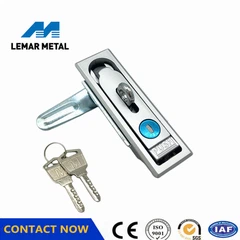
- Paddle Handle Latch: This type of latch clip is known for its easy - to - use paddle - style handle. It is commonly used in cabinets, enclosures, and machinery. The cost of paddle handle latches can vary based on material and size. Steel paddle handle latches are typically more budget - friendly, while stainless steel and aluminum ones are more expensive but offer better performance in certain environments.
- Catch Toggle Clamp: Catch toggle clamps are designed for quick and secure fastening. They are widely used in manufacturing and assembly processes. The price of catch toggle clamps depends on factors such as the material (e.g., steel or stainless steel), the size, and the load - bearing capacity.
Optimizing Your Latchclip Procurement
1. Define Your Requirements Clearly
Before approaching a latchclip supplier, it's essential to have a clear understanding of your requirements. Specify the material, design, size, and quantity of latchclips you need. This will help the supplier provide an accurate quote and ensure that you get the right product for your application.
2. Compare Quotes from Multiple Suppliers
Don't settle for the first quote you receive. Reach out to several latchclip suppliers and compare their prices, product quality, and lead times. This will give you a better idea of the market rates and help you find the best value for your money.
3. Consider Long - Term Relationships
Building a long - term relationship with a reliable latchclip supplier can be beneficial. Suppliers are more likely to offer better prices, prioritize your orders, and provide excellent customer service to long - term customers.
Contact for Procurement
If you are in the market for latchclips, whether it's a small - scale project or a large - volume order, I'm here to assist you. We offer a wide range of latchclips made from different materials and in various designs to meet your specific needs. Contact us to discuss your requirements and get a customized quote. Our team of experts will work closely with you to ensure that you get the best latchclip solution at a competitive price.
Send Inquiry