

How to ensure the concentricity of a weld nut during installation?
Jan 08, 2026
Leave a message
Hey there! As a weld nut supplier, I often get asked how to ensure the concentricity of a weld nut during installation. It's a crucial aspect that can significantly impact the performance and safety of the final product. In this blog, I'll share some practical tips and best practices that I've learned over the years.
First off, let's understand why concentricity matters. When a weld nut is installed with proper concentricity, it aligns perfectly with the mating part. This means that the bolts or screws that go into the nut will fit smoothly and evenly, distributing the load evenly across the joint. On the other hand, if the weld nut is off - center, it can lead to uneven loading, which may cause premature wear, loosening of the joint, and even structural failure in extreme cases.
Preparation is Key
Before you start the installation process, it's essential to prepare both the weld nut and the workpiece. Make sure the surface of the workpiece where the weld nut will be installed is clean and free of any dirt, grease, or rust. Any contaminants can interfere with the welding process and affect the concentricity. You can use a wire brush or a degreaser to clean the surface thoroughly.
Inspect the weld nut itself. Check for any visible defects such as cracks, burrs, or uneven threads. A damaged weld nut is more likely to cause problems during installation and may not provide the desired concentricity. For high - quality weld nuts, you can check out our Weld On Nut on our website.
Selecting the Right Equipment
Using the appropriate welding equipment is vital for ensuring concentricity. A good quality spot welder or a projection welder is usually recommended for welding nuts. These welders can provide a controlled and consistent amount of heat, which is essential for a proper weld.
The welding electrodes also play a crucial role. They should be properly shaped and sized to match the weld nut. If the electrodes are too large or too small, they can cause the weld nut to shift during the welding process, resulting in poor concentricity. Make sure to regularly maintain and replace the electrodes as needed to ensure optimal performance.
Alignment Techniques
One of the most important steps in ensuring concentricity is proper alignment. There are several techniques you can use to achieve this.
-
Fixture Jigs: A fixture jig is a great tool for aligning the weld nut accurately. You can design a custom - made jig that holds the weld nut in place and aligns it precisely with the hole on the workpiece. This ensures that the nut is centered before welding and reduces the chances of misalignment.
-
Guiding Pins: Guiding pins can also be used to align the weld nut. You can insert the pins through the holes in the weld nut and into the corresponding holes on the workpiece. This acts as a guide, keeping the nut in place during the welding process.
-
Visual Inspection: Before welding, take a moment to visually inspect the alignment. Make sure the weld nut is centered and parallel to the surface of the workpiece. If you notice any misalignment, adjust the nut accordingly before proceeding with the welding.
Welding Process
Once the weld nut is properly aligned, it's time to start the welding process. Here are some tips to ensure a successful weld while maintaining concentricity:
-
Welding Parameters: Set the correct welding parameters such as current, voltage, and time. These parameters depend on the size and material of the weld nut and the workpiece. Refer to the welding equipment manufacturer's guidelines for the recommended settings. Incorrect welding parameters can cause the weld nut to warp or shift, affecting the concentricity.
-
Welding Sequence: In some cases, the sequence of welding can also affect the concentricity. For example, if you are welding multiple nuts on a single workpiece, it's advisable to follow a specific welding sequence to minimize the heat - induced distortion. Start from the center and work your way out or weld in a balanced pattern.


-
Cooling Time: After welding, allow the weld joint to cool down gradually. Rapid cooling can cause internal stresses in the weld, which may lead to distortion and affect the concentricity. You can use a cooling agent or simply let the joint cool naturally, depending on the material and the application.
Quality Control
After the installation is complete, it's important to perform a quality check to ensure the concentricity of the weld nut. You can use a variety of measuring tools such as calipers, micrometers, or a coordinate measuring machine (CMM). Measure the distance between the center of the weld nut and the center of the mating part. The acceptable tolerance for concentricity depends on the specific application, but generally, it should be within a few thousandths of an inch.
If you find that the concentricity is not within the acceptable range, you may need to take corrective actions. This could involve re - welding the nut or, in some cases, replacing it with a new one.
Different Types of Weld Nuts
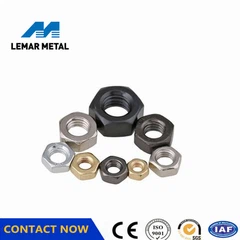
We offer a wide range of weld nuts to suit different applications. For example, our Hexagon Spot Welding Nut is a popular choice for applications where a strong and reliable connection is required. The hexagonal shape provides better grip and resistance to rotation.
Our Square Weld Nut is another option, which is often used in applications where space is limited. The square shape allows for easy installation in tight spaces.
Conclusion
Ensuring the concentricity of a weld nut during installation is not rocket science, but it does require attention to detail and proper techniques. By following the tips and best practices outlined in this blog, you can significantly improve the quality and reliability of your weld nut installations.
If you're in the market for high - quality weld nuts or need more information on installation and concentricity, don't hesitate to reach out. We're here to help you find the right solution for your specific needs. Contact us for a quote and let's start a conversation about your next project!
References
- Welding Handbook, American Welding Society
- Machinery's Handbook, Industrial Press
Send Inquiry