

Are there any safety precautions when using anchor bolts?
May 28, 2026
Leave a message
Are there any safety precautions when using anchor bolts? Well, you bet there are! As a supplier of anchor bolts, I've seen firsthand how these little guys can make or break a project. Get it right, and you've got a sturdy, long - lasting structure. Mess up, and you're looking at potential disasters. So, let's dig into the safety precautions you need to take when using anchor bolts.
Pre - installation Precautions
First things first, before you even think about installing an anchor bolt, you've got to do your homework. The base material matters a whole lot. Whether it's concrete, masonry, or some other stuff, each has its own quirks. For example, if you're going for Anchor Bolt Embedded in Concrete, concrete strength is a key factor. You wouldn't want to use an anchor bolt designed for high - strength concrete in a low - strength one. That's asking for trouble!
You need to check the base material for any cracks, voids, or other defects. A crack in the concrete can significantly reduce the holding power of the anchor bolt. It's like building a house on a shaky foundation. So, take your time to inspect the area where you'll be installing the anchor bolt. If you find any issues, you might need to repair them first or choose a different location.
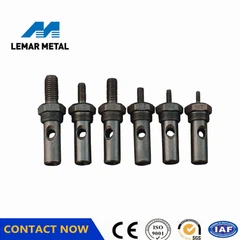
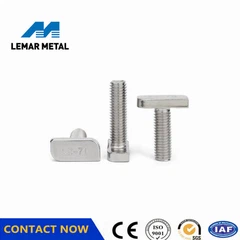
Another important pre - installation step is to select the right type of anchor bolt. There are different types out there, like our L Shaped Threaded Bolts. These are great for certain applications where you need a bit of an L - shaped design for better stability. And then there are Embedded Anchor Bolts, which are embedded directly into the concrete during construction. Selecting the wrong type can lead to improper installation and reduced safety.
Installation Precautions
During the installation process, safety is of the essence. First off, follow the manufacturer's instructions to the tee. These instructions are there for a reason. They've been tested and proven to work, so don't try to cut corners. For example, when drilling the hole for the anchor bolt, use the correct drill bit size. Using a bit that's too big or too small can affect the bolt's performance.
Wearing proper safety gear is a must. Safety glasses will protect your eyes from flying debris when you're drilling or hammering. Gloves are also important to protect your hands from sharp edges and potential chemical exposure if you're using any adhesives with the anchor bolts. And don't forget about a hard hat if you're working in an area where there's a risk of falling objects.
When inserting the anchor bolt, make sure it's straight. A crooked bolt won't hold as well and can cause stress concentrations in the base material. This can lead to cracks and ultimately, a failure of the anchor. Also, don't overtighten the bolt. Overtightening can cause the base material to break or the bolt to snap. Use a torque wrench to ensure you're applying the right amount of force.
Post - installation Precautions
Once the anchor bolt is installed, your work isn't done. You need to do a post - installation inspection. Check if the bolt is firmly in place and if there are any signs of movement or damage. If you notice any issues, address them right away. It could be as simple as tightening a nut or as complex as replacing the entire anchor bolt.
Regular maintenance is also crucial. Over time, anchor bolts can be affected by corrosion, especially if they're in a harsh environment. Check for signs of rust or other forms of deterioration. If you find any corrosion, you might need to clean the bolt and apply a protective coating.
Environmental Considerations
The environment where the anchor bolt is used can have a big impact on its safety. In areas with high humidity, corrosion is a major concern. As I mentioned earlier, regular inspections and maintenance can help mitigate this risk. You might also want to choose anchor bolts that are made from corrosion - resistant materials.

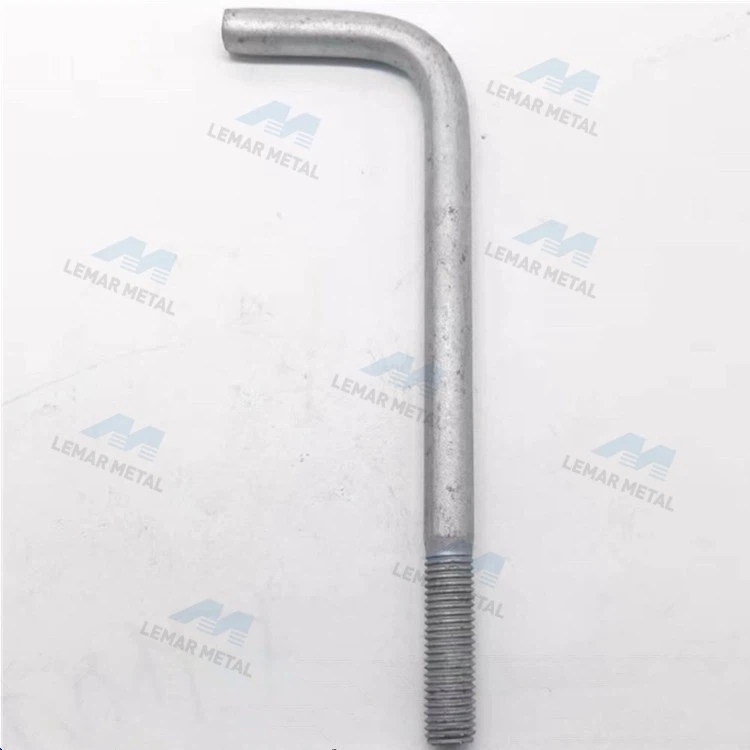
In seismic areas, the anchor bolts need to be able to withstand the shaking. Special seismic - rated anchor bolts are available for these applications. These bolts are designed to flex and absorb the energy from an earthquake, reducing the risk of structural failure.
Training and Expertise
It's important that the people installing the anchor bolts are properly trained. A lack of knowledge and experience can lead to improper installation and safety hazards. If you're not confident in your ability to install anchor bolts correctly, it's a good idea to hire a professional.
As a supplier, I always recommend that my customers get the right training. We can provide some basic information about our products, but for in - depth installation knowledge, there are often training courses available.
Conclusion
So, to sum it up, there are plenty of safety precautions when using anchor bolts. From pre - installation checks to post - installation maintenance, every step is important. By following these precautions, you can ensure the safety and longevity of your structures.
If you're in the market for high - quality anchor bolts and have any questions about safety or installation, don't hesitate to reach out. We're here to help you make the right choices and ensure your projects are a success. Whether you need L Shaped Threaded Bolts, Embedded Anchor Bolts, or Anchor Bolt Embedded in Concrete, we've got you covered. Let's talk about your requirements and find the perfect solution for your project.
References
- "The Handbook of Anchor Bolts and Fasteners"
- "Construction Safety Guidelines for Anchor Bolt Installation"
Send Inquiry