


What is the effect of chemical exposure on anchor bolts?
May 29, 2026
Leave a message
Hey there! As an anchor bolts supplier, I've seen firsthand how chemical exposure can have a significant impact on these essential fasteners. Anchor bolts are used in a wide range of applications, from securing heavy machinery to building foundations. But when they're exposed to certain chemicals, it can lead to some serious problems.
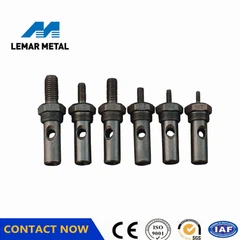
Let's start by talking about what anchor bolts are and why they're so important. Anchor bolts are basically long bolts that are embedded in concrete or other solid materials to provide a secure attachment point for structures or equipment. They come in all shapes and sizes, like the 9 Shaped Foundation Bolt, which is designed for specific types of installations.
Now, when it comes to chemical exposure, there are a few different ways it can affect anchor bolts. One of the most common issues is corrosion. Corrosion occurs when the metal in the anchor bolt reacts with chemicals in the environment, like moisture, acids, or salts. This reaction can cause the metal to break down over time, weakening the bolt and reducing its ability to hold the load.
For example, in industrial settings where there are high levels of chemicals in the air or water, anchor bolts can be at risk of corrosion. If the bolts are used in a chemical plant or a wastewater treatment facility, they might be exposed to acids, alkalis, or other corrosive substances. Over time, these chemicals can eat away at the surface of the bolt, causing it to rust and eventually fail.
Another way chemical exposure can affect anchor bolts is by causing embrittlement. Some chemicals can make the metal in the bolt more brittle, which means it's more likely to break under stress. This is especially dangerous in applications where the anchor bolts are supporting heavy loads or where there's a lot of vibration. For instance, if an anchor bolt is used to secure a large piece of machinery and it becomes embrittled due to chemical exposure, it could break suddenly, leading to a serious accident.
The type of metal used in the anchor bolt also plays a big role in how it responds to chemical exposure. For example, Carbon Steel Foundation Bolt is a common choice because it's strong and relatively inexpensive. However, carbon steel is more prone to corrosion than some other metals, like stainless steel. So, if the anchor bolts are going to be exposed to harsh chemicals, it might be a good idea to choose a more corrosion-resistant material.
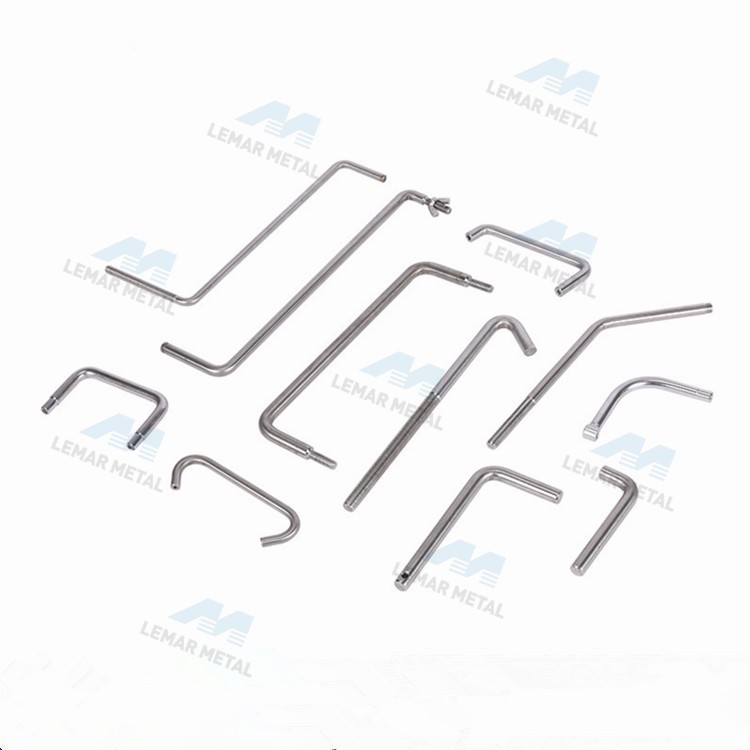

In addition to corrosion and embrittlement, chemical exposure can also affect the bond between the anchor bolt and the concrete or other material it's embedded in. Some chemicals can react with the concrete, causing it to deteriorate or lose its strength. This can weaken the overall connection between the bolt and the structure, making it less secure. For example, if the anchor bolt is Anchor Bolt Embedded in Concrete and the concrete is exposed to a chemical that causes it to crack or crumble, the bolt might not be able to hold the load as effectively.
So, what can you do to protect your anchor bolts from chemical exposure? One of the most important things is to choose the right type of bolt for the environment. If you know that the bolts will be exposed to chemicals, look for ones that are made from corrosion-resistant materials. You can also apply a protective coating to the bolts to help prevent corrosion. There are a variety of coatings available, such as zinc plating or epoxy coatings, that can provide an extra layer of protection.
Another important step is to regularly inspect the anchor bolts for signs of damage or corrosion. If you notice any rust, cracking, or other signs of deterioration, it's important to replace the bolts as soon as possible. This can help prevent more serious problems down the road.
In some cases, you might also need to take additional measures to protect the anchor bolts from chemical exposure. For example, you could install a barrier or shield around the bolts to prevent them from coming into direct contact with the chemicals. You could also use a ventilation system to remove any harmful chemicals from the air around the bolts.
As an anchor bolts supplier, I understand the importance of providing high-quality products that can withstand the challenges of different environments. That's why we offer a wide range of anchor bolts made from different materials and with different coatings to meet the needs of our customers. Whether you're looking for a 9 Shaped Foundation Bolt for a specific installation or a Carbon Steel Foundation Bolt that can handle heavy loads, we've got you covered.
If you're in the market for anchor bolts and want to learn more about how to protect them from chemical exposure, or if you have any other questions about our products, don't hesitate to reach out. We're here to help you find the right solution for your project. Just contact us, and we'll be happy to discuss your needs and provide you with a quote.
In conclusion, chemical exposure can have a significant impact on anchor bolts, but with the right precautions and the right products, you can minimize the risks and ensure that your anchor bolts perform reliably for years to come. So, if you're looking for high-quality anchor bolts that can stand up to the challenges of chemical exposure, give us a call or send us an email. We're ready to help you get the job done right.
References:
- "Corrosion of Metals in Chemical Environments" - A textbook on the science of metal corrosion in chemical settings.
- "Anchor Bolt Design and Installation Guidelines" - A professional guide that covers various aspects of anchor bolt use and protection.
Send Inquiry