


How to ensure the proper grouting of anchor bolts in a foundation?
Jan 02, 2026
Leave a message
Ensuring the proper grouting of anchor bolts in a foundation is a critical process that significantly impacts the structural integrity and long - term performance of any construction project. As an established anchor bolts supplier, I understand the nuances of this procedure and am here to share my insights on how to ensure a successful grouting process.
Understanding the Importance of Proper Grouting
Before delving into the steps of proper grouting, it's essential to understand why it matters. Anchor bolts serve as the connection between the foundation and the superstructure. They transfer loads from the superstructure to the foundation. Proper grouting fills the voids around the anchor bolts, providing support, preventing corrosion, and enhancing the bond between the bolt and the concrete. Without adequate grouting, the anchor bolts may be subject to loosening, corrosion, and ultimately, failure, which can compromise the entire structure.
Pre - Grouting Preparations
Anchor Bolt Selection
The first step in ensuring proper grouting starts with choosing the right anchor bolts. At our company, we offer a wide range of options, including Hot DIP Galvanized Anchor Bolts, which are highly resistant to corrosion. These bolts are suitable for various environmental conditions, making them a popular choice for many construction projects. Additionally, Anchor Bolts for Foundation are specifically designed to meet the load - bearing requirements of different foundations.
Surface Preparation
The surface around the anchor bolt holes in the foundation must be properly prepared. This involves cleaning the holes to remove any debris, dust, loose concrete, or oil. A wire brush or compressed air can be used to clean the holes thoroughly. The foundation surface should also be roughened to improve the adhesion of the grout. It's important to ensure that the holes are dry before grouting, as excessive moisture can affect the grout's setting time and strength.


Bolt Placement and Alignment
Correct placement and alignment of the anchor bolts are crucial. The bolts should be positioned according to the project's specifications, with the correct spacing and elevation. They should be held firmly in place during the grouting process to prevent movement. Temporary fixtures or templates can be used to ensure accurate alignment. Any misalignment can lead to uneven load distribution and potential structural issues.
Grout Selection
Compatibility with Anchor Bolts
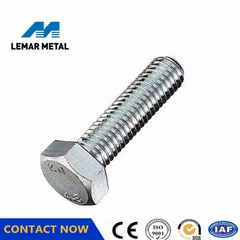
When selecting grout, it's important to consider its compatibility with the anchor bolts. For example, if you're using Galvanized Steel Hex Bolts, the grout should not cause any chemical reactions that could damage the galvanized coating. Some grouts may contain ingredients that are incompatible with certain types of metals, so it's essential to choose a grout that is specifically formulated for the type of anchor bolts being used.
Strength and Durability
The grout must have sufficient strength to support the loads transferred by the anchor bolts. Factors such as the type of structure, the magnitude of the loads, and the environmental conditions should be considered when selecting the grout strength. High - strength grouts are typically used for heavy - duty applications, while less - stressed areas may require a lower - strength grout. The grout should also be durable enough to withstand long - term exposure to environmental factors such as moisture, temperature changes, and chemical attacks.
Setting Time
The setting time of the grout is another important consideration. It should be long enough to allow for proper placement and compaction but short enough to minimize the risk of disturbance during the setting process. Quick - setting grouts may be suitable for projects with tight schedules, while standard - setting grouts are often used for more complex installations.
The Grouting Process
Mixing the Grout
Follow the manufacturer's instructions carefully when mixing the grout. Use the correct ratio of water to grout powder to ensure the desired consistency. Over - or under - mixing can affect the grout's performance. A mechanical mixer is usually recommended to ensure a uniform mixture. The mixing time should be sufficient to break up any lumps and achieve a smooth, workable consistency.
Placing the Grout
The grout should be placed around the anchor bolts in a continuous and controlled manner. Start from the bottom of the hole and work upwards to avoid trapping air bubbles. Use a funnel or a grout pump to ensure accurate placement. The grout should completely fill the voids around the bolts, leaving no gaps. It's important to work quickly but carefully to prevent the grout from setting before it's fully placed.
Compaction
After placing the grout, it's necessary to compact it to remove any air pockets and ensure maximum density. This can be done using a vibrator or a tamping rod. The compaction process should be carried out gently to avoid disturbing the anchor bolts. Ensure that the grout fully surrounds the bolts and fills all the spaces in the hole.
Post - Grouting Care
Curing
Proper curing of the grout is essential for achieving its maximum strength. Follow the manufacturer's recommendations for curing time and conditions. This may involve keeping the grout moist for a certain period using wet burlap or a curing compound. Curing at the right temperature is also crucial, as extreme temperatures can affect the grout's setting and strength development.
Inspection
Once the grout has cured, conduct a thorough inspection. Check for any signs of cracking, shrinkage, or voids. Use non - destructive testing methods if necessary to verify the integrity of the grouted connection. Additionally, inspect the anchor bolts for any signs of movement or misalignment.
Protection
Protect the grouted anchor bolts from damage during subsequent construction activities. Cover them with protective caps or sleeves to prevent debris, tools, or equipment from hitting them. This will help maintain the integrity of the grouted connection and ensure the long - term performance of the anchor bolts.
Quality Control
Testing
Regularly test the grout for strength and other properties. This can include compressive strength tests, bond strength tests, and shrinkage tests. Testing should be carried out at different intervals during the grouting process to ensure that the grout meets the specified requirements.
Documentation
Keep detailed records of the grouting process, including the type of grout used, the mixing ratios, the placement and compaction methods, and the test results. This documentation is essential for quality control and can be used for future reference or in the event of any issues.
Conclusion
Ensuring the proper grouting of anchor bolts in a foundation is a multi - step process that requires careful planning, attention to detail, and strict quality control. As an anchor bolts supplier, we are committed to providing high - quality products and sharing our knowledge to help you achieve successful grouting. If you are in the process of a construction project and need reliable anchor bolts or advice on grouting, we encourage you to contact us for further discussions and potential procurement. Our team of experts is ready to assist you in selecting the right products and guiding you through the grouting process.
References
- ACI 318 - Building Code Requirements for Structural Concrete and Commentary.
- ICC - ES AC308 - Acceptance Criteria for Post - Installed Adhesive Anchors in Concrete.
- Manufacturer's technical data sheets for anchor bolts and grouts.
Send Inquiry