


How to improve the welding quality of weld nuts?
May 14, 2026
Leave a message
As a seasoned weld nut supplier, I've witnessed firsthand the critical role that welding quality plays in various industries. Weld nuts are essential components used in automotive, construction, and manufacturing, among other sectors. Ensuring high welding quality not only enhances the performance and durability of the final product but also minimizes the risk of failures and costly rework. In this blog post, I'll share some valuable insights and practical tips on how to improve the welding quality of weld nuts.
Understanding the Basics of Weld Nuts
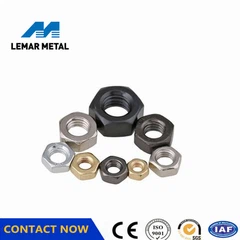
Before delving into the techniques for improving welding quality, it's important to have a solid understanding of weld nuts. Weld nuts are designed to be welded onto a workpiece, providing a threaded connection for bolts or screws. They come in various shapes and sizes, including Carbon Steel Hex Weld Nut, Hexagon Weld Nuts, and Hex Weld Nut. The choice of weld nut depends on the specific application and requirements.
Factors Affecting Welding Quality
Several factors can influence the welding quality of weld nuts. Understanding these factors is crucial for implementing effective improvement strategies. Here are some key factors to consider:
1. Material Selection
The choice of materials for both the weld nut and the workpiece is critical. The materials should have compatible chemical compositions and mechanical properties to ensure a strong and reliable weld. For example, using a carbon steel weld nut on a stainless steel workpiece may result in a weak weld due to the difference in material properties.
2. Surface Preparation
Proper surface preparation is essential for achieving good welding quality. The surfaces of the weld nut and the workpiece should be clean, free of rust, oil, and other contaminants. Any impurities on the surface can prevent proper fusion and lead to weld defects such as porosity and lack of fusion.
3. Welding Parameters
The welding parameters, including current, voltage, welding speed, and electrode size, have a significant impact on the welding quality. These parameters need to be carefully selected and adjusted based on the type of weld nut, the workpiece material, and the welding process. Incorrect welding parameters can result in overheating, underheating, or uneven welds.
4. Welding Process
There are several welding processes available for welding weld nuts, such as resistance welding, arc welding, and laser welding. Each process has its own advantages and disadvantages, and the choice of process depends on the specific application and requirements. For example, resistance welding is commonly used for high-volume production due to its fast welding speed and low cost, while laser welding is preferred for applications requiring high precision and quality.
5. Operator Skill
The skill and experience of the welding operator also play a crucial role in the welding quality. A well-trained and experienced operator is more likely to produce high-quality welds consistently. Proper training and certification programs should be provided to ensure that operators have the necessary skills and knowledge to perform the welding process correctly.
Tips for Improving Welding Quality
Now that we've discussed the factors affecting welding quality, let's explore some practical tips for improving the welding quality of weld nuts:
1. Select the Right Weld Nut
Choosing the right weld nut for the specific application is the first step in ensuring high welding quality. Consider the material, size, and shape of the weld nut, as well as the requirements of the workpiece and the welding process. Consult with a welding expert or the weld nut supplier to get professional advice on the appropriate weld nut selection.
2. Prepare the Surfaces Properly
Proper surface preparation is essential for achieving good welding quality. Clean the surfaces of the weld nut and the workpiece thoroughly using a suitable cleaning method, such as grinding, sandblasting, or chemical cleaning. Remove any rust, oil, paint, or other contaminants from the surfaces to ensure proper fusion.
3. Optimize the Welding Parameters
The welding parameters should be optimized based on the type of weld nut, the workpiece material, and the welding process. Conduct welding trials to determine the optimal welding parameters for the specific application. Monitor the welding process closely and make adjustments as needed to ensure consistent welding quality.
4. Use High-Quality Welding Equipment
Invest in high-quality welding equipment to ensure reliable and consistent welding performance. The welding equipment should be properly maintained and calibrated regularly to ensure accurate and precise welding. Use the appropriate welding electrodes, filler materials, and shielding gases for the specific welding process.
5. Train the Welding Operators
Provide comprehensive training and certification programs for the welding operators to ensure that they have the necessary skills and knowledge to perform the welding process correctly. The training should cover the fundamentals of welding, the specific welding process used, the welding parameters, and the safety procedures. Regularly evaluate the performance of the welding operators and provide feedback and coaching to improve their skills.
6. Implement Quality Control Measures
Implement a comprehensive quality control system to monitor and ensure the welding quality of weld nuts. Conduct regular inspections and tests on the welded parts to check for any weld defects, such as porosity, lack of fusion, or cracks. Use non-destructive testing methods, such as ultrasonic testing or X-ray testing, to detect any internal defects. Establish a quality control plan and document all the inspection and test results for traceability.
7. Continuously Improve the Welding Process
Welding technology is constantly evolving, and there are always opportunities for improvement. Stay updated with the latest advancements in welding technology and explore new welding processes and techniques that can improve the welding quality of weld nuts. Conduct regular process audits and identify areas for improvement. Implement corrective actions and continuously monitor the effectiveness of the improvements.
Conclusion
Improving the welding quality of weld nuts is essential for ensuring the performance and durability of the final product. By understanding the factors affecting welding quality and implementing the tips and strategies outlined in this blog post, you can significantly improve the welding quality of weld nuts and reduce the risk of failures and costly rework. As a weld nut supplier, I'm committed to providing high-quality weld nuts and technical support to help our customers achieve the best possible welding results. If you have any questions or need further assistance, please don't hesitate to contact us for procurement and negotiation.


Send Inquiry