

How to measure the dimensions of a weld nut accurately?
Jun 20, 2025
Leave a message
Hey there! I'm a supplier of weld nuts, and I know how crucial it is to measure the dimensions of these nuts accurately. Whether you're in the automotive, construction, or any other industry that relies on weld nuts, getting the measurements right can make or break your project. In this blog post, I'll share some tips and tricks on how to measure the dimensions of a weld nut accurately.
First things first, let's talk about why accurate measurements matter. Weld nuts are used to provide a secure and reliable fastening point for bolts or screws. If the dimensions of the weld nut are off, it can lead to a loose or unstable connection, which can compromise the safety and integrity of your project. Additionally, inaccurate measurements can result in compatibility issues with other components, leading to delays and additional costs.
Now, let's dive into the different dimensions of a weld nut that you need to measure. The most common dimensions include the outside diameter (OD), inside diameter (ID), height, and thread pitch. Let's take a closer look at each of these dimensions and how to measure them.
Outside Diameter (OD)
The outside diameter of a weld nut is the measurement across the widest part of the nut. To measure the OD, you'll need a caliper. Place the caliper jaws around the outside of the nut and close them until they touch the nut's surface. Make sure the caliper is perpendicular to the nut's axis to get an accurate measurement. Read the measurement on the caliper's scale.
Inside Diameter (ID)
The inside diameter of a weld nut is the measurement across the hole in the center of the nut. To measure the ID, you'll need a caliper or a micrometer. Place the caliper jaws or micrometer anvil inside the nut's hole and expand them until they touch the nut's inner surface. Make sure the measuring tool is centered in the hole to get an accurate measurement. Read the measurement on the caliper's scale or micrometer's thimble.
Height
The height of a weld nut is the measurement from the bottom of the nut to the top. To measure the height, you'll need a caliper or a height gauge. Place the caliper jaws or height gauge anvil on the bottom of the nut and extend them until they touch the top of the nut. Make sure the measuring tool is perpendicular to the nut's axis to get an accurate measurement. Read the measurement on the caliper's scale or height gauge's display.
Thread Pitch
The thread pitch of a weld nut is the distance between adjacent threads. To measure the thread pitch, you'll need a thread pitch gauge. Place the gauge on the nut's threads and find the teeth that match the nut's threads. Read the measurement on the gauge.
In addition to these basic dimensions, you may also need to measure other features of the weld nut, such as the chamfer, flange diameter, or weld projection. These measurements can be more challenging to take, but they're just as important for ensuring the nut's compatibility and performance.


Now that you know how to measure the dimensions of a weld nut, let's talk about some tips and tricks to help you get accurate measurements.
Use the Right Tools
Using the right measuring tools is essential for getting accurate measurements. Make sure you have a good quality caliper, micrometer, height gauge, and thread pitch gauge. These tools should be calibrated regularly to ensure their accuracy.
Take Multiple Measurements
Taking multiple measurements of the same dimension can help you identify any inconsistencies or errors. Take at least three measurements of each dimension and calculate the average to get a more accurate measurement.
Check for Wear and Tear
Weld nuts can wear over time, which can affect their dimensions. Before taking measurements, inspect the nut for any signs of wear or damage. If the nut is worn or damaged, it may need to be replaced before taking measurements.
Use a Reference Standard
Using a reference standard can help you ensure the accuracy of your measurements. A reference standard is a known dimension that you can use to compare your measurements against. You can use a certified gauge block or a reference nut to check the accuracy of your measuring tools.
Follow the Manufacturer's Specifications
The manufacturer's specifications provide the most accurate information about the dimensions of a weld nut. Make sure you have a copy of the manufacturer's specifications and follow them carefully when taking measurements.
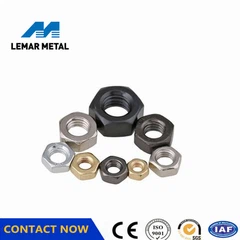
As a weld nut supplier, I offer a wide range of weld nuts, including Hex Weld Nut, Square Weld Nut, and Square Spot Welding Nut. All of our weld nuts are manufactured to the highest quality standards and undergo rigorous quality control checks to ensure their accuracy and performance.
If you're in the market for high-quality weld nuts, I'd love to hear from you. Whether you need a small quantity for a prototype or a large quantity for a production run, I can provide you with the right weld nuts for your project. Contact me today to discuss your requirements and get a quote.
In conclusion, measuring the dimensions of a weld nut accurately is essential for ensuring its compatibility and performance. By following the tips and tricks outlined in this blog post, you can take accurate measurements and avoid costly mistakes. If you have any questions or need further assistance, please don't hesitate to contact me. I'm here to help you find the right weld nuts for your project.
References
- Machinery's Handbook, 31st Edition
- ASME B1.1-2019: Unified Inch Screw Threads
- ISO 261: ISO General Purpose Metric Screw Threads - General Plan
Send Inquiry