

How to select the right shoulder bolt for a job?
Apr 30, 2026
Leave a message
Selecting the right shoulder bolt for a job is a critical decision that can significantly impact the performance and safety of your project. As a trusted bolts supplier, I understand the importance of making informed choices when it comes to fasteners. In this blog post, I will guide you through the process of selecting the perfect shoulder bolt for your specific needs.


Understanding Shoulder Bolts
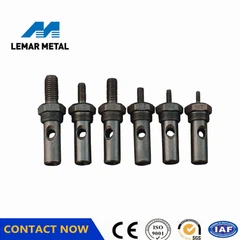
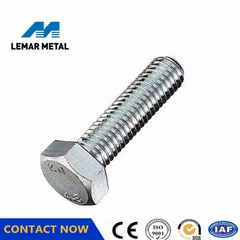
Shoulder bolts, also known as shoulder screws or stripper bolts, are unique fasteners with a distinct design. They feature a cylindrical shoulder between the head and the threaded portion. This shoulder serves as a precision bearing surface, allowing for smooth rotation or linear movement of components. Shoulder bolts are commonly used in applications such as machinery, automotive, electronics, and aerospace, where precise alignment and movement are crucial.
Key Factors to Consider
1. Material
The material of the shoulder bolt is a fundamental consideration. It determines the bolt's strength, corrosion resistance, and suitability for different environments. Here are some common materials used for shoulder bolts:
- Steel: Steel shoulder bolts are the most widely used due to their high strength and affordability. They come in various grades, such as carbon steel and alloy steel, each offering different levels of strength and hardness.
- Stainless Steel: Stainless steel shoulder bolts are ideal for applications where corrosion resistance is a concern. They are commonly used in marine, food processing, and medical industries.
- Brass: Brass shoulder bolts are known for their excellent electrical conductivity and corrosion resistance. They are often used in electrical and electronic applications.
- Aluminum: Aluminum shoulder bolts are lightweight and have good corrosion resistance. They are commonly used in aerospace and automotive applications where weight reduction is a priority.
2. Size and Dimensions
The size and dimensions of the shoulder bolt are crucial for ensuring a proper fit and function. Here are the key dimensions to consider:
- Shoulder Diameter: The shoulder diameter is the diameter of the cylindrical portion between the head and the threaded part. It should match the bore diameter of the components that will rotate or slide on the shoulder.
- Shoulder Length: The shoulder length is the length of the cylindrical portion. It should be long enough to provide sufficient support for the moving components.
- Thread Size: The thread size determines the compatibility of the bolt with the mating nut or threaded hole. It is important to select the correct thread size to ensure a secure connection.
- Head Size and Type: The head size and type of the shoulder bolt depend on the application and the available space. Common head types include hexagon, round, and flat heads.
3. Load Capacity
The load capacity of the shoulder bolt is the maximum amount of force it can withstand without failing. It is important to select a shoulder bolt with a load capacity that exceeds the expected load in your application. The load capacity depends on factors such as the material, size, and thread type of the bolt. You can refer to the manufacturer's specifications or consult with a structural engineer to determine the appropriate load capacity for your project.
4. Surface Finish
The surface finish of the shoulder bolt can affect its appearance, corrosion resistance, and friction characteristics. Here are some common surface finishes used for shoulder bolts:
- Zinc Plating: Zinc plating is a common surface finish that provides good corrosion resistance. It is often used for steel shoulder bolts in general applications.
- Chrome Plating: Chrome plating offers excellent corrosion resistance and a decorative finish. It is commonly used in automotive and furniture applications.
- Black Oxide: Black oxide is a chemical treatment that provides a black finish and improved corrosion resistance. It is often used for steel shoulder bolts in applications where a black appearance is desired.
- Passivation: Passivation is a process used to remove free iron from the surface of stainless steel shoulder bolts, improving their corrosion resistance.
5. Application Requirements
The specific requirements of your application will also influence the selection of the shoulder bolt. Here are some factors to consider:
- Rotational or Linear Movement: If the shoulder bolt will be used for rotational or linear movement, you need to ensure that the shoulder diameter and length are appropriate for the application. You may also need to consider the use of lubrication to reduce friction and wear.
- Precision and Tolerance: In applications where precise alignment and movement are required, you need to select a shoulder bolt with tight tolerances. This will ensure that the components fit together accurately and operate smoothly.
- Environmental Conditions: The environmental conditions in which the shoulder bolt will be used can affect its performance and durability. For example, if the bolt will be exposed to high temperatures, chemicals, or moisture, you need to select a material and surface finish that can withstand these conditions.
Our Product Range
As a leading bolts supplier, we offer a wide range of shoulder bolts to meet the diverse needs of our customers. Our product range includes:
- DIN 6921 Hexagon Flange Bolt: These bolts are designed with a hexagonal head and a flange under the head, providing a large bearing surface. They are commonly used in machinery and automotive applications. DIN 6921 Hexagon Flange Bolt
- Anchor Bolts for Foundation: These bolts are used to secure structures to concrete foundations. They come in various types, such as wedge anchors, sleeve anchors, and expansion anchors, each suitable for different applications. Anchor Bolts for Foundation
- Stainless Steel Torx Countersunk Screw: These screws are made of stainless steel and feature a Torx drive, providing a secure and tamper-resistant connection. They are commonly used in electronics and automotive applications. Stainless Steel Torx Countersunk Screw
Conclusion
Selecting the right shoulder bolt for a job requires careful consideration of various factors, including material, size, load capacity, surface finish, and application requirements. By understanding these factors and working with a trusted bolts supplier, you can ensure that you choose the perfect shoulder bolt for your project.
If you have any questions or need assistance in selecting the right shoulder bolt for your application, please do not hesitate to contact us. Our team of experts is always ready to help you make the best decision for your project. We look forward to the opportunity to discuss your procurement needs and work together to find the ideal solutions for your business.
Send Inquiry