

How to store anchor bolts properly?
Mar 18, 2026
Leave a message
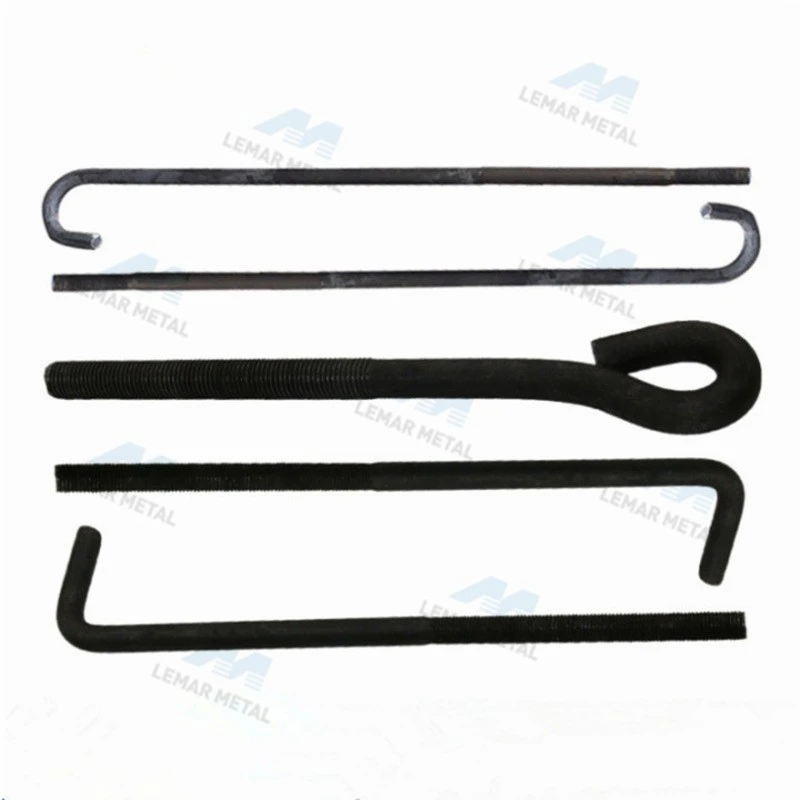
Proper storage of anchor bolts is crucial for maintaining their quality and performance. As a supplier of a wide range of anchor bolts, including Embedded Anchor Bolt, L Shaped Concrete Anchors, and Anchor Bolts for Foundation, I understand the importance of this process. In this blog, I will share some scientific and practical methods on how to store anchor bolts properly.
Understanding the Characteristics of Anchor Bolts
Before delving into storage methods, it's essential to understand the characteristics of anchor bolts. Anchor bolts are typically made of metal, such as steel or stainless steel. They are designed to provide a secure connection between structures and the foundation. However, metals are prone to corrosion, especially when exposed to moisture, oxygen, and certain chemicals. Therefore, the primary goal of storage is to prevent corrosion and damage to the bolts.
Selecting the Right Storage Location
The first step in proper storage is choosing the right location. The storage area should be dry, well - ventilated, and protected from direct sunlight and extreme weather conditions.
Dry Environment
Moisture is the enemy of metal anchor bolts. A damp environment can lead to rust and corrosion, which can weaken the bolts and reduce their load - bearing capacity. Ideally, the relative humidity in the storage area should be kept below 60%. If possible, use a dehumidifier to maintain a low - humidity environment. For example, in coastal areas where the air is more humid, a dehumidifier becomes even more necessary.
Ventilation
Good ventilation helps to prevent the accumulation of moisture and harmful gases. Stagnant air can trap moisture around the bolts, increasing the risk of corrosion. Ensure that the storage area has proper air circulation. This can be achieved by installing vents or fans. For large storage facilities, mechanical ventilation systems may be required.
Protection from Sunlight and Weather
Direct sunlight can cause the temperature of the bolts to fluctuate, which may lead to expansion and contraction. Over time, this can cause stress on the bolts and potentially damage them. Additionally, exposure to rain, snow, and other weather elements can introduce moisture and contaminants. Therefore, the storage area should be enclosed and protected. If outdoor storage is unavoidable, use covers such as tarps to shield the bolts from the elements.
Organizing the Storage Space
Once the right location is selected, the next step is to organize the storage space effectively.
Shelving and Racking
Use shelves or racks to store the anchor bolts. This helps to keep the bolts off the ground, reducing the risk of contact with moisture and dirt. Shelves should be made of a non - corrosive material, such as galvanized steel or plastic. Arrange the bolts according to their size, type, and grade. This makes it easier to locate and access the bolts when needed. For example, you can group all the L Shaped Concrete Anchors together on one shelf and the Anchor Bolts for Foundation on another.
Labeling
Proper labeling is essential for efficient storage. Each shelf or bin should be clearly labeled with the type, size, and quantity of the anchor bolts it contains. This not only helps with inventory management but also ensures that the correct bolts are used for specific projects. For instance, if a customer requests a particular size of Embedded Anchor Bolt, the labeled storage system allows for quick retrieval.
Packaging and Protection
In addition to the storage location and organization, proper packaging and protection of the anchor bolts are also important.

Original Packaging
Whenever possible, keep the anchor bolts in their original packaging. The original packaging is designed to protect the bolts during transportation and short - term storage. It often includes protective materials such as plastic bags, foam, or cardboard inserts that prevent the bolts from rubbing against each other and getting scratched.
Additional Protection
For long - term storage or high - value anchor bolts, additional protection may be required. You can use anti - rust coatings or lubricants to create a barrier between the metal surface of the bolts and the surrounding environment. For example, applying a thin layer of petroleum jelly or a specialized anti - rust spray can significantly reduce the risk of corrosion.
Inventory Management
Effective inventory management is an integral part of proper storage.
Regular Inspections
Conduct regular inspections of the stored anchor bolts. Check for signs of rust, corrosion, damage, or any other issues. Inspections should be carried out at least once a month. If any problems are detected, take immediate action to address them. For example, if a few bolts show signs of minor rust, they can be cleaned and treated with an anti - rust solution.
First - In, First - Out (FIFO) Principle
Follow the FIFO principle when using the stored anchor bolts. This means that the oldest bolts should be used first. This helps to prevent the bolts from being stored for too long, reducing the risk of long - term degradation. Keep a detailed inventory record that includes the date of receipt, quantity, and location of each batch of bolts.
Special Considerations for Different Types of Anchor Bolts
Different types of anchor bolts may have specific storage requirements.
Coated Anchor Bolts
Some anchor bolts are coated with materials such as zinc or epoxy to enhance their corrosion resistance. When storing coated bolts, be careful not to damage the coating. Avoid stacking the bolts too tightly, as this can scratch the coating and expose the underlying metal to corrosion.
High - Strength Anchor Bolts
High - strength anchor bolts are often used in critical applications. They require extra care during storage. Make sure they are stored separately from lower - grade bolts to prevent confusion. Also, handle them with clean gloves to avoid transferring contaminants that could cause corrosion.
Handling During Storage
Proper handling of anchor bolts during storage is also crucial.
Avoid Rough Handling
When moving or rearranging the bolts, avoid dropping or banging them against hard surfaces. Rough handling can cause dents, scratches, or other physical damage to the bolts. Use appropriate lifting equipment, such as forklifts or hoists, when moving large quantities of bolts.
Cleanliness
Keep the storage area clean. Remove any debris, dirt, or metal shavings from the shelves and around the bolts. Contaminants can attract moisture and accelerate corrosion. Regularly sweep and mop the storage area to maintain cleanliness.
Conclusion
Proper storage of anchor bolts is a multi - step process that involves choosing the right location, organizing the storage space, providing appropriate packaging and protection, managing the inventory, and handling the bolts with care. By following these guidelines, you can ensure that your anchor bolts remain in good condition, ready for use when needed.
As a reliable supplier of high - quality anchor bolts, including Embedded Anchor Bolt, L Shaped Concrete Anchors, and Anchor Bolts for Foundation, we are committed to providing you with the best products and advice on their proper storage. If you have any questions about anchor bolt storage or are interested in purchasing our products, please feel free to contact us for further discussion.
References
- ASME B18.5 - 2013, “Hexagon Bolts and Screws (Inch Series)”.
- ASTM A307 - 18, “Standard Specification for Carbon Steel Bolts and Studs, 60 000 - Psi Tensile Strength”.
- ISO 898 - 1:2013, “Mechanical properties of fasteners made of carbon steel and alloy steel - Part 1: Bolts, screws and studs with specified property classes - Coarse thread and fine pitch thread”.
Send Inquiry