


What are the factors affecting the performance of bolts?
Jul 10, 2025
Leave a message
As a bolt supplier, I've witnessed firsthand how the performance of bolts can make or break a project. Bolts are the unsung heroes of the engineering world, holding structures together and ensuring the smooth operation of countless mechanical systems. In this blog post, I'll explore the various factors that can affect the performance of bolts, drawing on my years of experience in the industry.
Material Quality
The quality of the material used to manufacture bolts is perhaps the most critical factor affecting their performance. Bolts can be made from a variety of materials, including carbon steel, stainless steel, alloy steel, and titanium. Each material has its own unique properties, such as strength, corrosion resistance, and ductility, which can significantly impact the bolt's performance in different applications.
- Carbon Steel Bolts: Carbon steel is one of the most commonly used materials for bolts due to its high strength and relatively low cost. However, carbon steel bolts are prone to corrosion, especially in harsh environments. To improve their corrosion resistance, carbon steel bolts can be coated with zinc, cadmium, or other protective finishes.
- Stainless Steel Bolts: Stainless steel bolts are known for their excellent corrosion resistance, making them ideal for use in outdoor or marine applications. They are also more resistant to high temperatures and chemicals than carbon steel bolts. However, stainless steel bolts are generally more expensive than carbon steel bolts and may have lower strength in some cases.
- Alloy Steel Bolts: Alloy steel bolts are made by adding other elements, such as chromium, nickel, and molybdenum, to carbon steel. This results in a material with improved strength, toughness, and corrosion resistance. Alloy steel bolts are commonly used in high-stress applications, such as automotive engines and aerospace components.
- Titanium Bolts: Titanium bolts are lightweight, strong, and corrosion-resistant, making them a popular choice for aerospace, automotive, and marine applications. However, titanium bolts are also very expensive, which limits their use to high-end applications.
Manufacturing Process
The manufacturing process used to produce bolts can also have a significant impact on their performance. Bolts are typically manufactured through a process called cold heading, which involves shaping the bolt blank at room temperature using a series of dies. The quality of the cold heading process can affect the bolt's strength, hardness, and dimensional accuracy.
- Cold Heading Quality: The quality of the cold heading process is critical to the performance of the bolt. A poorly executed cold heading process can result in bolts with inconsistent dimensions, surface defects, or internal cracks, which can weaken the bolt and reduce its performance.
- Heat Treatment: Heat treatment is often used to improve the strength and hardness of bolts. The heat treatment process involves heating the bolt to a specific temperature and then cooling it at a controlled rate. The type of heat treatment used depends on the material and the desired properties of the bolt.
- Thread Rolling: Thread rolling is a process used to form the threads on the bolt. This process involves pressing a die with the desired thread profile onto the bolt blank, which displaces the material and forms the threads. Thread rolling can improve the strength and fatigue resistance of the bolt by work-hardening the surface of the threads.
Design and Geometry
The design and geometry of the bolt can also affect its performance. The size, shape, and thread pitch of the bolt can all impact its strength, torque capacity, and ability to resist loosening.
- Bolt Size: The size of the bolt is determined by its diameter and length. Larger bolts generally have higher strength and torque capacity than smaller bolts. However, larger bolts may also be more difficult to install and may require more space.
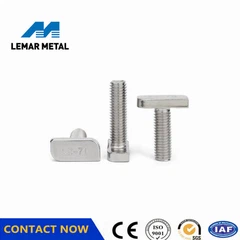
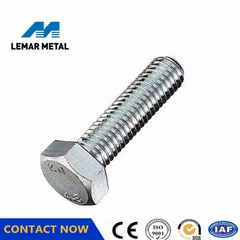
- Bolt Shape: The shape of the bolt can also affect its performance. For example, hexagon head bolts are the most common type of bolt and are easy to install using a wrench. Socket head cap screws, on the other hand, have a recessed head that allows them to be installed in tight spaces.
- Thread Pitch: The thread pitch of the bolt refers to the distance between adjacent threads. A finer thread pitch generally results in a stronger bolt with better resistance to loosening. However, a finer thread pitch may also require more torque to install and may be more prone to stripping.
Installation and Torque
Proper installation and torque are essential for ensuring the performance of the bolt. Over-tightening or under-tightening the bolt can result in a variety of problems, such as bolt failure, joint separation, or leaks.
- Installation Method: The installation method used for the bolt can also affect its performance. For example, using a power tool to install the bolt can result in over-tightening, which can damage the bolt or the joint. Hand tightening the bolt, on the other hand, may not provide enough torque to ensure a secure connection.
- Torque Specification: The torque specification for the bolt is the amount of torque required to tighten the bolt to the proper tension. The torque specification is typically provided by the manufacturer and should be followed carefully. Using a torque wrench to install the bolt can help ensure that the proper torque is applied.
- Torque Control: Torque control is a method used to ensure that the proper torque is applied to the bolt. This can be achieved using a torque wrench, a torque multiplier, or a torque sensor. Torque control can help prevent over-tightening or under-tightening of the bolt, which can improve the performance and reliability of the joint.
Environmental Conditions
The environmental conditions in which the bolt is used can also affect its performance. Factors such as temperature, humidity, and corrosion can all impact the strength, durability, and reliability of the bolt.


- Temperature: High temperatures can reduce the strength and hardness of the bolt, while low temperatures can make the bolt more brittle and prone to cracking. The operating temperature range of the bolt should be considered when selecting the material and the design of the bolt.
- Humidity: High humidity can cause corrosion of the bolt, especially if the bolt is made of a material that is prone to corrosion. To prevent corrosion, the bolt can be coated with a protective finish or made from a corrosion-resistant material.
- Corrosion: Corrosion is one of the most common causes of bolt failure. Corrosion can weaken the bolt and reduce its strength, which can lead to joint failure. To prevent corrosion, the bolt can be coated with a protective finish, made from a corrosion-resistant material, or used in a corrosion-resistant environment.
Conclusion
In conclusion, the performance of bolts is affected by a variety of factors, including material quality, manufacturing process, design and geometry, installation and torque, and environmental conditions. As a bolt supplier, it's important to understand these factors and to work closely with our customers to select the right bolt for their application. By considering these factors and providing high-quality bolts and expert advice, we can help our customers ensure the performance and reliability of their projects.
If you're in the market for high-quality bolts, Antiluce Drop Lock is an excellent option. These bolts are designed to provide superior performance and reliability in a variety of applications. Contact us today to learn more about our products and to discuss your specific requirements. We look forward to working with you to find the perfect bolt solution for your project.
References
- "Mechanical Fasteners Handbook" by William H. Brown
- "Bolts and Nuts: Design, Application, and Testing" by John H. Bickford
- "Fastener Technology: A Comprehensive Guide" by Robert H. B. Exline
Send Inquiry