

What is the cost of anchor bolts?
Mar 10, 2026
Leave a message
What is the cost of anchor bolts?
As an anchor bolts supplier, I often encounter customers asking about the cost of anchor bolts. The cost of anchor bolts is influenced by a multitude of factors, and understanding these can help customers make more informed decisions when purchasing.
Material Costs
One of the primary factors affecting the cost of anchor bolts is the material used in their production. Different materials have different costs, which are mainly determined by their availability, production process, and properties.
Carbon Steel
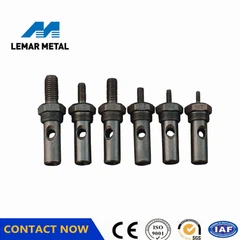
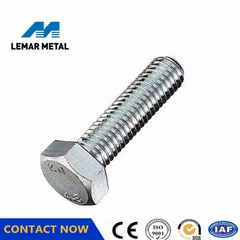
Carbon steel is a commonly used material for anchor bolts. It offers a good balance between strength and cost. The cost of carbon steel anchor bolts can vary depending on the carbon content and the quality of the steel. Higher - carbon steels generally have greater strength but may also be more expensive. For example, our Carbon Steel Foundation Bolt is made from high - quality carbon steel, which provides excellent durability at a reasonable cost. The pricing is relatively stable compared to some other materials, as carbon steel is widely available in the market, and the production technology is well - established.


Stainless Steel
Stainless steel anchor bolts are more expensive than carbon steel ones. This is because stainless steel contains alloying elements such as chromium and nickel, which make it resistant to corrosion. The production of stainless steel is more complex and requires more energy, contributing to its higher cost. However, in applications where corrosion resistance is crucial, such as in marine environments or chemical plants, the extra cost of stainless steel anchor bolts is often justified.
Alloy Steel
Alloy steel anchor bolts are designed to have specific mechanical properties, such as high strength or heat resistance. They are made by adding various alloying elements to the steel, which increases the cost of production. Alloy steel anchor bolts are typically used in high - stress applications, like in the construction of large bridges or heavy machinery.
Manufacturing Process
The manufacturing process of anchor bolts also plays a significant role in determining their cost.
Forging
Forged anchor bolts are generally more expensive than those made by other methods. Forging involves shaping the metal under high pressure, which results in a more uniform and stronger structure. The forging process requires specialized equipment and skilled labor, increasing the production cost. However, forged anchor bolts are preferred in applications where high strength and reliability are required, such as in the foundation of high - rise buildings.
Machining
Machining is another common method for producing anchor bolts. It involves cutting and shaping the metal using machine tools. The cost of machining depends on the complexity of the design and the precision required. More complex shapes and higher precision machining will increase the cost. For example, anchor bolts with special threads or non - standard dimensions may need more machining operations, leading to a higher price.
Cold Heading
Cold heading is a cost - effective manufacturing process for producing anchor bolts with simple shapes. It involves forming the metal at room temperature, which reduces the energy consumption and production time. Cold - headed anchor bolts are suitable for mass - production and are often used in general construction projects where cost is a major concern.
Size and Specification
The size and specification of anchor bolts directly affect their cost.
Diameter and Length
Larger - diameter and longer anchor bolts require more material and may need more complex manufacturing processes. For example, a thick - diameter anchor bolt may need more powerful forging equipment during production. As a result, the cost of anchor bolts increases with the increase in diameter and length.
Thread Type
Different thread types, such as coarse threads and fine threads, also have an impact on the cost. Fine - threaded anchor bolts are more difficult to manufacture, as they require higher precision machining. Therefore, they are usually more expensive than coarse - threaded ones.
Market Conditions
The market conditions, including supply and demand, raw material prices, and competition, also influence the cost of anchor bolts.
Supply and Demand
When the demand for anchor bolts is high and the supply is limited, the price will increase. For example, during a construction boom, the demand for anchor bolts in the building industry increases significantly, which may lead to a rise in prices. On the other hand, if there is an oversupply of anchor bolts in the market, the prices will tend to fall.
Raw Material Prices
The prices of raw materials, such as steel, have a direct impact on the cost of anchor bolts. Fluctuations in the global steel market can cause the cost of anchor bolts to change accordingly. For instance, if the price of steel increases due to factors like supply disruptions or increased production costs in steel mills, the cost of anchor bolts will also go up.
Competition
The level of competition in the anchor bolt market can also affect prices. In a highly competitive market, suppliers may lower their prices to attract customers. As an anchor bolt supplier, we strive to offer competitive prices while maintaining high - quality products. Our Concrete Embedded Anchor Bolts and Foundation Bolt L Type are priced competitively in the market, providing customers with cost - effective solutions.
Additional Costs
In addition to the above factors, there are also some additional costs associated with anchor bolts.
Packaging and Shipping
The cost of packaging and shipping can add to the overall cost of anchor bolts. Proper packaging is necessary to protect the anchor bolts during transportation, and the shipping cost depends on the weight, volume, and destination. For international orders, there may also be additional customs duties and taxes.
Quality Assurance and Certification
To ensure the quality of anchor bolts, suppliers often conduct quality control tests and obtain relevant certifications. These processes incur additional costs, which are reflected in the product price. However, high - quality and certified anchor bolts can provide customers with greater peace of mind and reliability.
In conclusion, the cost of anchor bolts is determined by a combination of factors, including material, manufacturing process, size and specification, market conditions, and additional costs. As a professional anchor bolt supplier, we understand these factors well and are committed to providing customers with high - quality products at a reasonable cost. If you are interested in our anchor bolts or have any questions about the cost and specification, please feel free to contact us for a procurement discussion. We look forward to serving you and meeting your anchor bolt needs.
References:
- "Metals Handbook Desk Edition", ASM International.
- Engineering textbooks on construction fasteners.
- Industry reports on the steel and fastener market.
Send Inquiry