


Can I use a screw in a ceramic material?
Mar 11, 2026
Leave a message
Ceramic materials are widely recognized for their exceptional properties, such as high hardness, wear resistance, and electrical insulation. These characteristics make ceramics a popular choice in various industries, including electronics, aerospace, and automotive. However, one common question that often arises is whether it's possible to use a screw in a ceramic material. As a trusted screws supplier, I'll provide a comprehensive answer to this query.
Understanding Ceramic Materials
Before delving into the use of screws in ceramic materials, it's essential to understand the nature of ceramics. Ceramics are inorganic, non-metallic materials typically made by heating and cooling raw materials. They can be classified into two main categories: traditional ceramics and advanced ceramics. Traditional ceramics, such as pottery and bricks, are mainly composed of clay minerals. In contrast, advanced ceramics are engineered materials designed for specific applications, offering superior mechanical, electrical, and thermal properties.
The key feature of ceramic materials that impacts the use of screws is their brittleness. Unlike metals, which can deform plastically under stress, ceramics tend to fracture when subjected to excessive force. This brittleness is due to their atomic structure, which consists of strong ionic and covalent bonds. When a screw is inserted into a ceramic material, it can create stress concentrations, potentially leading to cracks or fractures.
Challenges of Using Screws in Ceramic Materials
The primary challenge of using screws in ceramic materials is the risk of cracking or shattering. As mentioned earlier, ceramics are brittle and do not tolerate stress well. When a screw is tightened, it creates a radial force that can cause the ceramic to crack. Additionally, the expansion and contraction of the screw due to temperature changes can also generate stress in the ceramic, leading to long-term damage.
Another challenge is the difficulty of creating a proper thread in the ceramic material. Unlike metals, which can be easily tapped to create threads, ceramics are hard and difficult to machine. Creating threads in ceramics often requires specialized tools and techniques, such as laser machining or diamond grinding. These methods can be expensive and time-consuming, making them less practical for mass production.
Solutions for Using Screws in Ceramic Materials
Despite the challenges, there are several solutions available for using screws in ceramic materials. One approach is to use a pre-threaded insert. These inserts are made of metal or other materials that can be more easily threaded than ceramics. They are typically installed in the ceramic material using a special tool, creating a strong and reliable thread for the screw. Pre-threaded inserts can help distribute the stress evenly, reducing the risk of cracking or shattering.
Another solution is to use a self-tapping screw. Self-tapping screws are designed to cut their own threads as they are inserted into the material. This can be useful for ceramic materials, as it eliminates the need for pre-threading or tapping. However, it's important to choose a self-tapping screw that is specifically designed for use in ceramics, as regular self-tapping screws may not be able to cut through the hard ceramic material effectively.
Types of Screws Suitable for Ceramic Materials
When selecting a screw for use in ceramic materials, it's important to choose a type that is designed to minimize the risk of cracking or shattering. Here are some types of screws that are commonly used in ceramic applications:
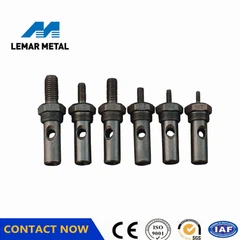
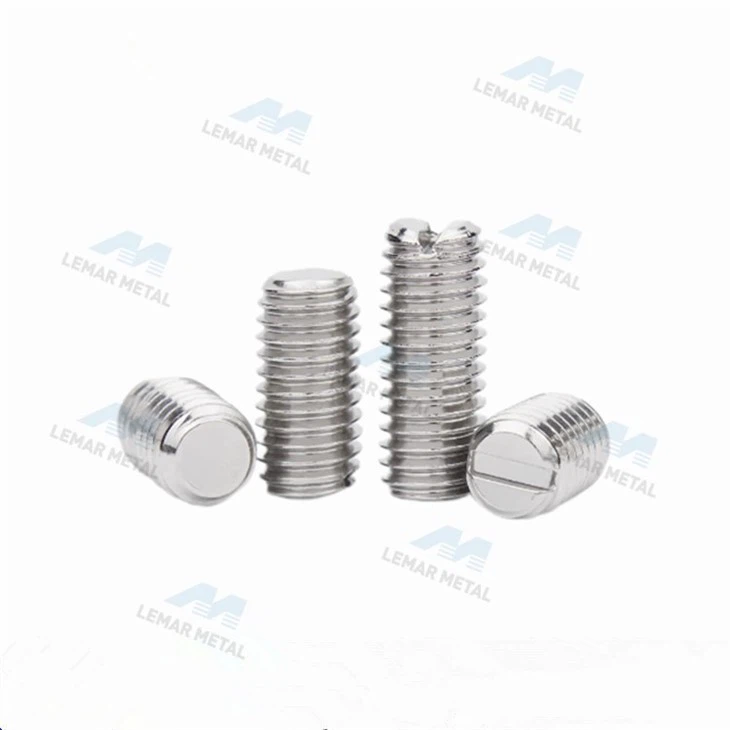
- Slotted Set Grub Screw: These screws are typically used to secure components in place, such as gears or pulleys, without the need for a nut. They have a flat or cone-shaped end that can be tightened against the ceramic material to create a secure hold.
- Hex Socket Set Screw: Similar to slotted set grub screws, hex socket set screws are used to secure components in place. They have a hexagonal socket in the head, which allows for easy tightening using an Allen wrench.
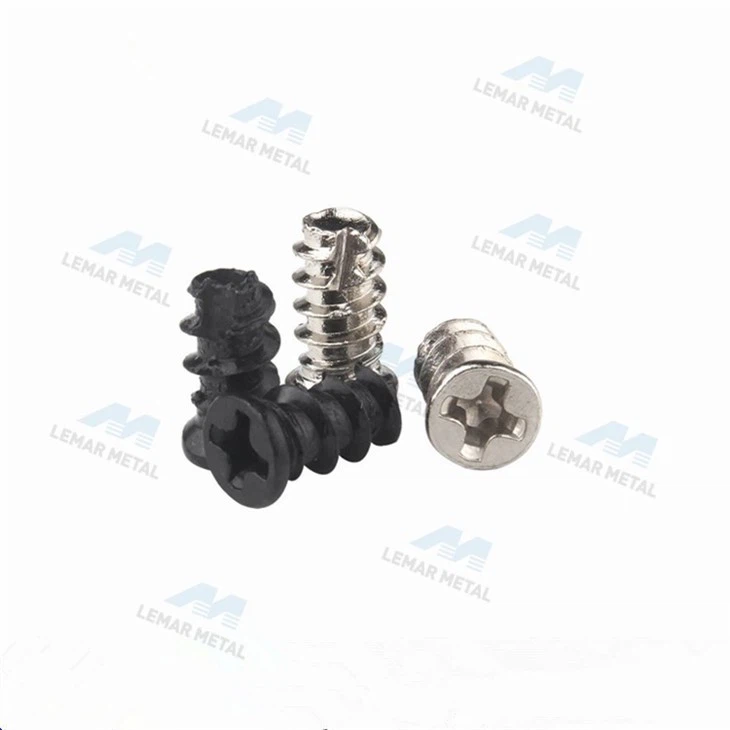
- Cooling Fan Mount Screw: These screws are designed specifically for mounting cooling fans to ceramic heat sinks. They are typically made of a corrosion-resistant material and have a sharp point that can easily penetrate the ceramic material.
Installation Tips for Screws in Ceramic Materials
To ensure the successful installation of screws in ceramic materials, it's important to follow these tips:
- Use the Right Tools: Make sure to use the appropriate tools for installing the screws, such as a torque wrench or an Allen wrench. Using the wrong tools can damage the screw or the ceramic material.
- Pre-Drill the Hole: If possible, pre-drill the hole in the ceramic material to the correct size. This can help reduce the stress on the ceramic and make it easier to insert the screw.
- Apply Lubricant: Applying a small amount of lubricant, such as oil or grease, to the screw can help reduce friction and make it easier to insert.
- Tighten Slowly and Carefully: When tightening the screw, do it slowly and carefully to avoid over-tightening. Over-tightening can cause the ceramic to crack or shatter.
Conclusion and Call to Action
In conclusion, while using screws in ceramic materials presents some challenges, it is possible with the right approach and the appropriate type of screw. As a screws supplier, we offer a wide range of screws that are suitable for use in ceramic applications. Our products are designed to meet the highest quality standards, ensuring reliable performance and long-lasting durability.
If you're interested in learning more about our screws or have any questions about using screws in ceramic materials, please don't hesitate to contact us. Our team of experts is always ready to assist you with your procurement needs and provide you with the best solutions for your specific applications. We look forward to the opportunity to work with you and help you find the perfect screws for your projects.
References
- "Ceramics: Structure, Properties, Processing, and Applications" by W. D. Kingery, H. K. Bowen, and D. R. Uhlmann
- "Engineering Ceramics: Properties, Design, and Applications" by J. F. Shackelford and W. Alexander
- "Fundamentals of Ceramics" by Richard E. Tressler, Eugene Rabinovich, and Barry E. Sherman
Send Inquiry