


What is the yield strength of a weld nut?
Mar 12, 2026
Leave a message
Hey there! As a supplier of weld nuts, I often get asked, "What is the yield strength of a weld nut?" Well, let's dive right into it and break down this crucial concept.
First off, yield strength is a big deal in the world of materials and engineering. It's the stress at which a material begins to deform plastically. In simpler terms, when you apply a force to a weld nut, up to a certain point, it'll go back to its original shape once the force is removed. But once you hit the yield strength, the nut starts to change shape permanently.


Now, the yield strength of a weld nut can vary quite a bit depending on several factors. One of the main ones is the material it's made from. For example, we offer a range of weld nuts, like the Weld On Nut. These are often made from carbon steel, which has its own set of yield strength characteristics.
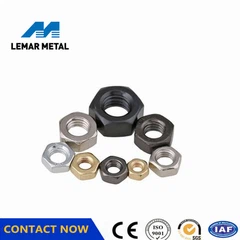
Carbon steel is a popular choice for weld nuts because it's strong, durable, and relatively affordable. The Carbon Steel Hex Weld Nut is a classic example. The yield strength of carbon steel weld nuts can typically range from around 250 MPa (megapascals) to 400 MPa, depending on the specific grade of carbon steel used.
The manufacturing process also plays a huge role. How the weld nut is forged, machined, and heat-treated can all affect its yield strength. A well - made weld nut that goes through proper heat treatment is likely to have a higher yield strength. Heat treatment can refine the grain structure of the metal, making it stronger and more resistant to deformation.
Another factor is the design of the weld nut. The Square Weld Nut has a different shape compared to a hex weld nut. The shape can influence how stress is distributed within the nut when a load is applied. A well - designed nut will distribute the stress more evenly, which can help it withstand higher forces before reaching its yield point.
Let's talk about why yield strength matters. If you're using weld nuts in an application where they'll be under a lot of stress, like in automotive manufacturing or heavy machinery, you need to know their yield strength. If you use a nut with a yield strength that's too low for the application, it could start to deform under normal operating conditions. This could lead to parts coming loose, which can be dangerous and costly in terms of repairs and downtime.
On the flip side, using a nut with a much higher yield strength than necessary can be wasteful. It might cost more, and you're not really taking advantage of the extra strength if it's not needed. So, finding the right balance is key.
When I'm working with customers, I always ask them about their application. Are they using the weld nuts in a high - stress environment? Are there any specific load requirements? Based on their answers, I can recommend the right type of weld nut with an appropriate yield strength.
For instance, if a customer is working on a project that requires a lot of vibration resistance, I might suggest a carbon steel hex weld nut with a higher yield strength. The added strength can help it stay in place and resist the forces that come with vibration.
In some cases, we can even customize the yield strength of our weld nuts. By adjusting the manufacturing process and the material composition, we can meet the specific needs of our customers. This flexibility is one of the things that sets us apart as a supplier.
If you're in the market for weld nuts and want to learn more about yield strength, don't hesitate to reach out. We're here to help you make the right choice for your project. Whether you need a nut with a specific yield strength or just have questions about how they work, we've got the expertise.
We've built our reputation on providing high - quality weld nuts and excellent customer service. So, if you're looking to source weld nuts, let's have a chat. We can discuss your requirements in detail, provide you with samples, and give you a quote.
In conclusion, the yield strength of a weld nut is a critical factor that can determine its performance in an application. It's influenced by the material, manufacturing process, and design. As a supplier, we're committed to helping our customers understand these factors and choose the right weld nuts for their needs. So, if you're ready to take the next step in your project, get in touch with us. We're looking forward to working with you.
References
- Materials Science and Engineering textbooks
- Industry standards and specifications for weld nuts
Send Inquiry