


Can pipe clips be used in a wet area?
Mar 13, 2026
Leave a message
Can pipe clips be used in a wet area? This is a common question that many customers ask us, a trusted pipe clip supplier. In this blog post, we'll explore the factors involved in using pipe clips in wet environments, the types of pipe clips suitable for such areas, and how to ensure their long - term performance.


Understanding the Challenges of Wet Areas
Before we determine whether pipe clips can be used in wet areas, it's essential to understand the challenges presented by such environments. Water can lead to several problems, including corrosion, rust, and degradation of materials. Prolonged exposure to moisture can weaken the structural integrity of pipe clips, causing them to lose their clamping force and eventually fail.
Corrosion is one of the most significant concerns. When metal pipe clips are exposed to water, a chemical reaction occurs, leading to the formation of rust. Rust not only affects the appearance of the pipe clips but also eats away at the metal, reducing its strength. In addition to corrosion, water can also cause the growth of mold and mildew, which can be a health hazard in some applications, such as in food processing or medical facilities.
Types of Pipe Clips Suitable for Wet Areas
Stainless Steel Pipe Clips
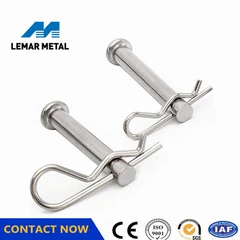
Stainless steel is a popular choice for pipe clips in wet areas due to its excellent corrosion resistance. Stainless steel contains chromium, which forms a protective oxide layer on the surface of the metal. This layer prevents the penetration of water and oxygen, inhibiting the corrosion process. Our stainless - steel pipe clips are specifically designed to withstand the harsh conditions of wet environments. They are available in various sizes and designs to meet different application requirements. For example, our Wire Hose Clamp made of stainless steel is ideal for securing hoses in wet areas, such as in plumbing systems or industrial water lines.
Plastic Pipe Clips
Plastic pipe clips are another option for wet areas. They are lightweight, non - corrosive, and resistant to moisture. Plastic is also a good insulator, which can be beneficial in some applications where electrical conductivity needs to be avoided. Our plastic pipe clips are made from high - quality materials that are durable and can withstand the rigors of wet environments. They are often used in residential and commercial plumbing applications, as well as in automotive and marine industries.
Galvanized Pipe Clips
Galvanized pipe clips are coated with a layer of zinc to protect the underlying metal from corrosion. The zinc coating acts as a sacrificial anode, corroding in place of the steel. This provides an additional layer of protection in wet areas. However, it's important to note that the zinc coating can wear off over time, especially in highly corrosive environments. Our galvanized pipe clips are carefully manufactured to ensure a thick and uniform zinc coating, providing long - term protection.
Motorcycle Exhaust Clamp in Wet Conditions
Motorcycles are often exposed to various weather conditions, including rain and humidity. The Motorcycle Exhaust Clamp plays a crucial role in keeping the exhaust system intact. In wet conditions, the exhaust clamp needs to be able to resist corrosion and maintain its clamping force.
Our motorcycle exhaust clamps are made from high - quality materials that are suitable for wet environments. Stainless steel exhaust clamps are a popular choice as they offer excellent corrosion resistance. They can withstand the high temperatures generated by the exhaust system as well as the moisture from rain or road spray. Additionally, the design of our motorcycle exhaust clamps ensures a tight and secure fit, preventing exhaust leaks even in wet conditions.
Quick Release Hose Clamp in Wet Areas
The Quick Release Hose Clamp is a convenient solution for applications where hoses need to be frequently connected and disconnected. In wet areas, these clamps need to be able to function properly without being affected by moisture.
Our quick release hose clamps are designed with durability in mind. They are made from materials that are resistant to corrosion and can operate smoothly even in wet conditions. The quick - release mechanism allows for easy and efficient hose installation and removal, which is especially useful in situations where time is of the essence, such as in industrial maintenance or emergency repairs.
Ensuring Long - Term Performance in Wet Areas
To ensure the long - term performance of pipe clips in wet areas, proper installation and maintenance are crucial.
Installation
During installation, it's important to ensure that the pipe clips are properly tightened. Over - tightening can cause damage to the pipes or hoses, while under - tightening can lead to leaks or loose connections. Additionally, make sure that the surface where the pipe clips are installed is clean and dry to prevent the accumulation of moisture.
Maintenance
Regular maintenance is essential to keeping pipe clips in good condition. Inspect the pipe clips periodically for signs of corrosion, wear, or damage. If any issues are detected, replace the pipe clips immediately. In some cases, applying a protective coating or lubricant can help extend the lifespan of the pipe clips.
Conclusion
In conclusion, pipe clips can be used in wet areas, but it's important to choose the right type of pipe clips and ensure proper installation and maintenance. Stainless steel, plastic, and galvanized pipe clips are all suitable options for wet environments, each with its own advantages. Our Wire Hose Clamp, Motorcycle Exhaust Clamp, and Quick Release Hose Clamp are designed to meet the requirements of various wet area applications.
If you're looking for high - quality pipe clips for your wet area projects, we're here to help. Whether you need a small quantity for a home improvement project or a large order for an industrial application, we can provide you with the right solutions. Contact us to discuss your specific needs and start a procurement discussion today.
References
- "Corrosion Handbook", edited by Bruce D. Craig.
- "Materials Science and Engineering: An Introduction" by William D. Callister Jr. and David G. Rethwisch.
Send Inquiry