

What is the difference between a full - mortise and a half - mortise hinge?
Jul 24, 2025
Leave a message
Hey there! As a hinge supplier, I get asked a lot about the differences between full - mortise and half - mortise hinges. So, I thought I'd write this blog to break it all down for you.
Let's start with what a hinge is in general. A hinge is a mechanical bearing that connects two solid objects, typically allowing only a limited angle of rotation between them. They're super important in all sorts of applications, from doors and cabinets to furniture.
Full - Mortise Hinges
First up, full - mortise hinges. These are pretty special. A full - mortise hinge is designed to fit entirely into a recess that's cut into both the door and the frame. This means that when the door is closed, the hinge is completely hidden from view. It gives a really clean and seamless look, which is great for high - end applications where aesthetics matter a lot.
One of the big advantages of full - mortise hinges is their strength. Because they're fully embedded in the door and frame, they distribute the weight of the door evenly. This makes them ideal for heavy doors, like solid wood doors or large commercial doors. They can handle a lot of wear and tear over time, so you won't have to worry about them breaking down easily.
Another plus is the stability. Full - mortise hinges provide a very stable connection between the door and the frame. This reduces the chances of the door sagging or becoming misaligned over time. So, if you want a door that will stay in place and function properly for years to come, full - mortise hinges are a great choice.
However, full - mortise hinges do have some drawbacks. The installation process is more complicated. You need to cut precise recesses in both the door and the frame, which requires some skill and the right tools. This can make the installation more time - consuming and costly, especially if you're not experienced with woodworking.
Half - Mortise Hinges
Now, let's talk about half - mortise hinges. As the name suggests, a half - mortise hinge is only partially recessed into either the door or the frame. Usually, one leaf of the hinge is flush with the surface, while the other is recessed. This type of hinge is more visible than a full - mortise hinge, but it still offers a good balance between functionality and aesthetics.
Half - mortise hinges are easier to install compared to full - mortise hinges. You don't need to cut as deep or precise recesses, which makes the installation process quicker and more straightforward. This is great for DIY projects or for those who don't have a lot of experience with hinge installation.
They're also more versatile in terms of application. Half - mortise hinges can be used on a variety of doors, from light interior doors to cabinet doors. They're a popular choice for residential applications because they offer a decent level of strength and durability at a more affordable price.
But, half - mortise hinges aren't as strong as full - mortise hinges. They may not be the best option for very heavy doors, as they may not be able to handle the weight as well. Over time, there's a higher chance of the door sagging or the hinge becoming loose, especially if the door is used frequently.
Comparing the Two
When it comes to choosing between full - mortise and half - mortise hinges, there are a few factors to consider.
Aesthetics
If you're going for a high - end, seamless look, full - mortise hinges are the way to go. They'll give your doors a sleek and professional appearance. On the other hand, if you don't mind a slightly more visible hinge and want a more budget - friendly option, half - mortise hinges can still look great, especially in a more casual or rustic setting.
Strength and Durability
For heavy doors that need to withstand a lot of use, full - mortise hinges are the clear winner. They're built to last and can handle the weight and stress better. Half - mortise hinges are fine for lighter doors, but they may not be as long - lasting under heavy loads.
Installation
If you're a DIYer or don't want to spend a lot of time on installation, half - mortise hinges are easier to work with. But if you're willing to put in the extra effort and have the skills, full - mortise hinges can provide a more secure and long - term solution.
Our Hinge Offerings
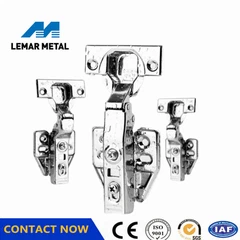
As a hinge supplier, we offer a wide range of both full - mortise and half - mortise hinges. We also have other types of hinges that might interest you. For example, our Hydraulic Damping Hinge is a great option if you want a hinge that closes smoothly and quietly. It uses hydraulic technology to control the movement of the door, reducing noise and wear.
Our Concealed Cabinet Hinge is perfect for cabinet doors. It's designed to be hidden from view, giving your cabinets a clean and modern look. And if you're looking for hinges for your kitchen cabinets, our Kitchen Cabinet Door Hinges are made to withstand the daily use and moisture in the kitchen.


Conclusion
In conclusion, the choice between full - mortise and half - mortise hinges depends on your specific needs and preferences. Full - mortise hinges offer strength, stability, and a great aesthetic, but they're more difficult to install. Half - mortise hinges are easier to install, more versatile, and more budget - friendly, but they're not as strong as full - mortise hinges.
If you're still not sure which type of hinge is right for your project, don't hesitate to reach out. We're here to help you make the best decision and provide you with high - quality hinges that will meet your requirements. Whether you're a contractor, a DIY enthusiast, or a homeowner, we've got the hinges you need. So, let's start a conversation and find the perfect hinges for your next project!
References
- Woodworking magazines and books on door and hinge installation.
- Industry reports on hinge manufacturing and performance.
Send Inquiry