


How do I remove a lock nut?
Jul 24, 2025
Leave a message
Hey there! I'm a supplier of lock nuts, and I've seen a lot of folks scratching their heads over how to remove these little buggers. So, I thought I'd share some tips and tricks on how to remove a lock nut like a pro.
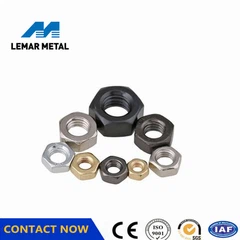
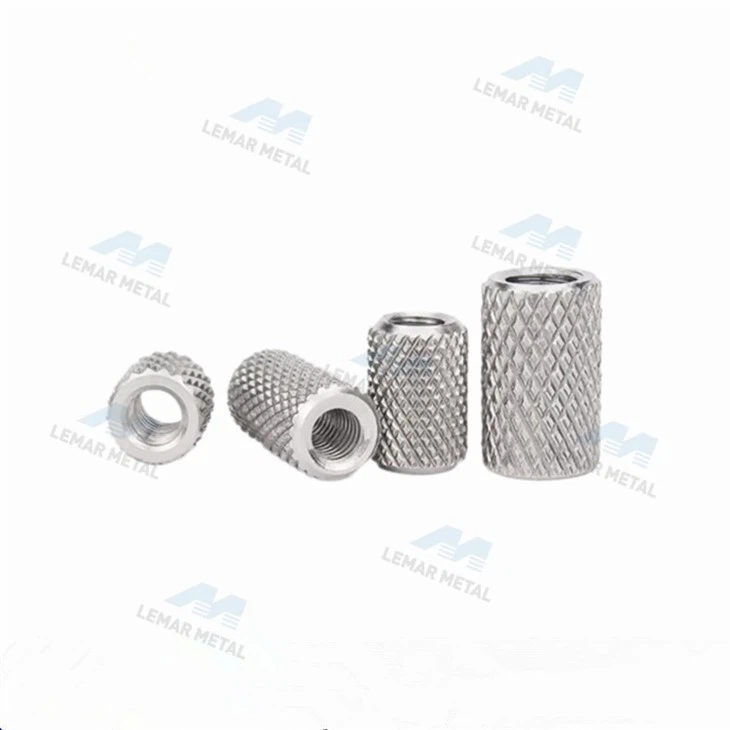
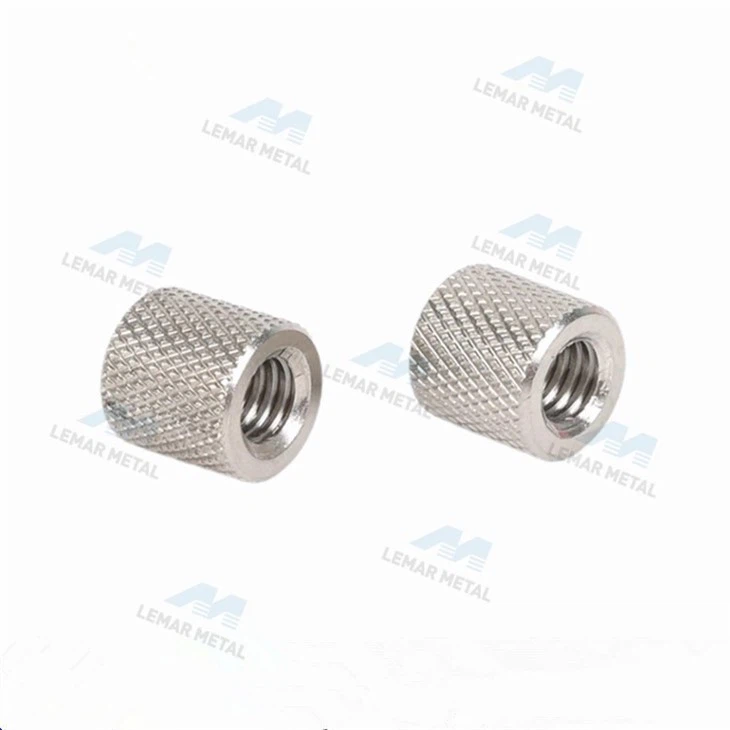
First things first, let's talk about what a lock nut is. A lock nut is a type of nut that's designed to resist loosening from vibration or rotation. There are different types of lock nuts, like the 3-Hole Tee Nut, Flat Head Knurled Nut, and Wood Insert Nut. Each type has its own unique design and function, but they all serve the same purpose: to keep things tight.
Now, let's get into the nitty-gritty of removing a lock nut. The method you use will depend on the type of lock nut you're dealing with and the situation you're in.
1. Using a Wrench
This is the most common method. If you've got a standard lock nut, a good-quality wrench is your best friend. Here's how you do it:
- First, make sure you've got the right size wrench. Using the wrong size can damage the nut or the wrench itself. You can usually find the size of the nut stamped on it.
- Place the wrench on the nut and turn it counterclockwise. Sometimes, lock nuts can be really tight, especially if they've been in place for a long time. If you're having trouble turning it, you can try using a breaker bar. A breaker bar is a long wrench that gives you more leverage. Just attach it to the wrench and try turning it again.
2. Heat and Cool Method
If the lock nut is really stuck, you can try using heat. This works because metal expands when it's heated. Here's the process:
- Use a propane torch to heat the area around the lock nut. Be careful not to overheat it, as you don't want to damage the surrounding parts. Heat the nut until it's hot to the touch but not glowing red.
- Once it's heated, quickly apply a coolant, like a cold water spray. The sudden change in temperature can cause the nut to contract and loosen its grip.
- Then, try using the wrench to turn the nut counterclockwise.
3. Using a Nut Splitter
A nut splitter is a tool specifically designed to remove stubborn nuts. It works by cutting through the nut. Here's how:
- Place the nut splitter over the lock nut. Make sure it's centered properly.
- Tighten the nut splitter using a wrench. As you tighten it, the cutting blade will gradually cut through the nut.
- Once the nut is split, you can easily remove the pieces.
4. Chemical Penetrants
Sometimes, a little help from a chemical penetrant can do the trick. These products are designed to seep into the threads of the nut and loosen the rust or debris that's causing it to stick.
- Spray the penetrant onto the lock nut and let it sit for a while. The longer it sits, the better it will work.
- After a few minutes, try using a wrench to turn the nut. You might find that it turns much more easily.
Tips and Precautions
- Safety first! Always wear safety glasses and gloves when working with tools. You don't want any metal shavings or debris getting in your eyes or cutting your hands.
- If you're using a torch, make sure you're in a well - ventilated area and away from any flammable materials.
- Before you start removing the lock nut, make sure you understand the purpose of the nut and the system it's part of. You don't want to accidentally cause damage to other components.
As a lock nut supplier, I know how important it is to have the right products for the job. Whether you're in the middle of a DIY project or a professional mechanic, having high - quality lock nuts and the right tools to install and remove them is crucial.
If you're in the market for lock nuts, I'd love to have a chat with you. We've got a wide range of lock nuts, including the 3-Hole Tee Nut, Flat Head Knurled Nut, and Wood Insert Nut. Our products are made to the highest standards and are built to last.
If you've got any questions about our lock nuts or need advice on which one is right for your project, don't hesitate to reach out. We're here to help you find the perfect solution for your needs.
References
- "The Home Mechanic's Handbook"
- Various online resources on automotive and DIY repair
Send Inquiry