


What is the difference between a lock nut and a jam nut?
Dec 15, 2025
Leave a message
When it comes to fastening and securing components in various mechanical and industrial applications, nuts play a crucial role. Among the many types of nuts available, lock nuts and jam nuts are two commonly used options, each with its own distinct features and applications. As a lock nut supplier, I often encounter questions from customers about the differences between these two types of nuts. In this blog post, I will delve into the details of lock nuts and jam nuts, highlighting their differences, advantages, and typical use cases.
What is a Lock Nut?
A lock nut is a type of nut designed to prevent loosening under the influence of vibration, rotation, or other dynamic forces. It achieves this by incorporating special features that provide additional friction or locking mechanisms. There are several types of lock nuts, each with its own unique design and locking principle.
One common type of lock nut is the prevailing torque lock nut. This type of nut has a deformed section, such as a nylon insert or a metal insert, that creates a high frictional force when tightened onto a bolt. The frictional force resists the loosening effect of vibrations or rotational forces, keeping the nut in place. Prevailing torque lock nuts are widely used in automotive, aerospace, and machinery applications where security and reliability are of utmost importance.
Another type of lock nut is the self-locking nut. These nuts have a built-in locking feature, such as a deformed thread or a cam mechanism, that prevents the nut from backing off. Self-locking nuts are often used in applications where frequent disassembly and reassembly are required, as they provide reliable locking without the need for additional locking devices.
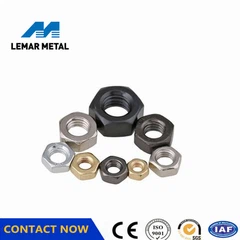
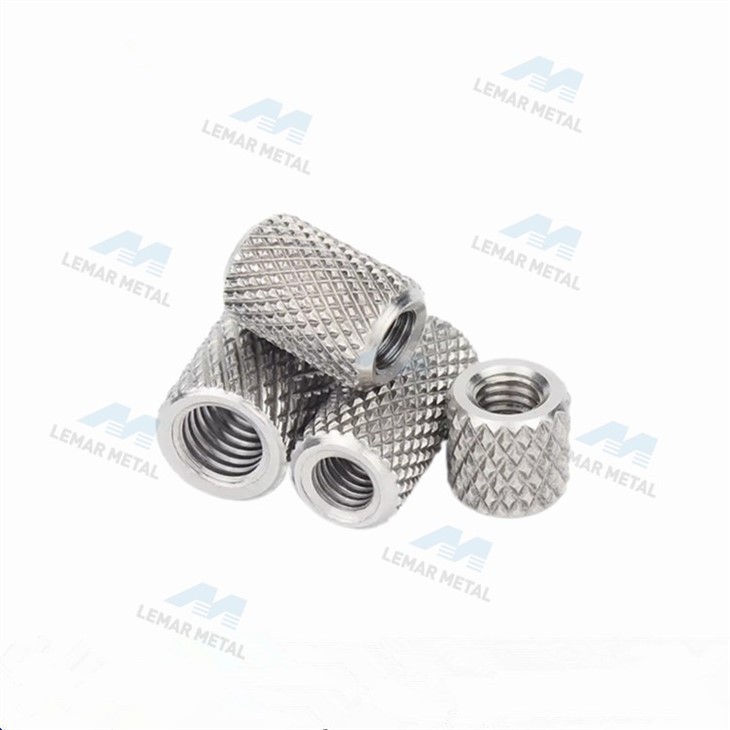
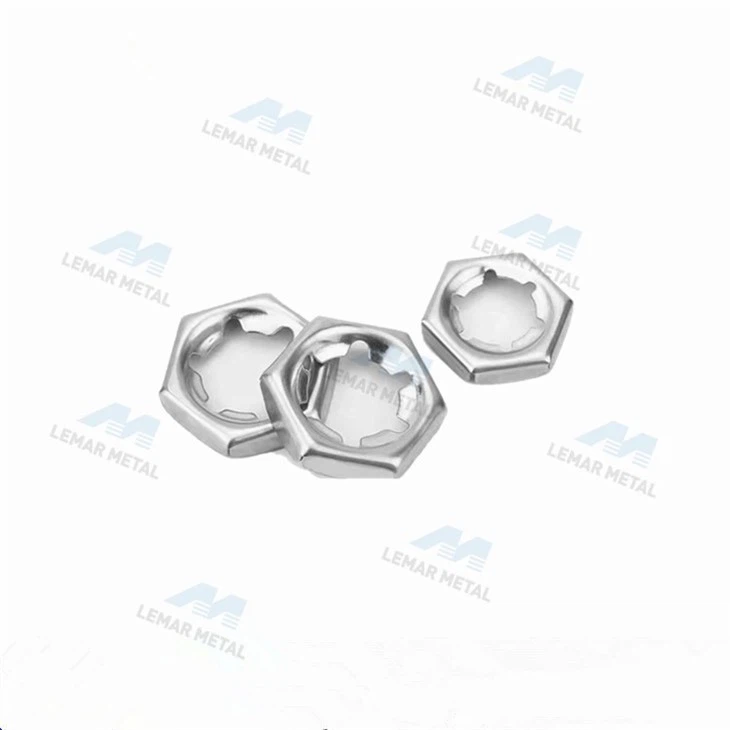
As a lock nut supplier, we offer a wide range of lock nuts to meet the diverse needs of our customers. For example, our Knurled Round Coupling Nut is a high-quality lock nut with a knurled outer surface for easy hand tightening. It is commonly used in applications where quick and easy adjustment is required. Our Hexagon Counter Nut is another popular option, featuring a hexagonal shape for use with standard wrenches. It provides a secure locking solution for a variety of industrial applications.
What is a Jam Nut?
A jam nut, on the other hand, is a thinner and smaller nut that is used in conjunction with a standard nut. The jam nut is tightened against the main nut to prevent it from loosening. The principle behind the jam nut is to increase the friction between the two nuts, creating a locking effect.
To use a jam nut, the main nut is first tightened onto the bolt to the desired torque. Then, the jam nut is tightened against the main nut, compressing it and increasing the frictional force between the two nuts. This additional friction helps to prevent the main nut from backing off due to vibrations or other forces.
Jam nuts are relatively simple in design and are often used in applications where a cost-effective locking solution is required. They are commonly used in plumbing, electrical, and general machinery applications. However, it should be noted that jam nuts are not as effective as lock nuts in high-vibration or high-torque applications.
Key Differences between Lock Nuts and Jam Nuts
Now that we have a basic understanding of lock nuts and jam nuts, let's take a closer look at the key differences between the two:
1. Locking Mechanism
The most significant difference between lock nuts and jam nuts is their locking mechanism. Lock nuts have a built-in locking feature, such as a nylon insert, a deformed thread, or a self-locking mechanism, that provides a high level of resistance to loosening. Jam nuts, on the other hand, rely on the friction between two nuts to prevent loosening. As a result, lock nuts are generally more effective at preventing loosening than jam nuts, especially in high-vibration or high-torque applications.
2. Design and Size
Lock nuts are typically thicker and larger than jam nuts. This is because they need to accommodate the locking feature, such as a nylon insert or a metal insert. Jam nuts, on the other hand, are thinner and smaller, as their main function is to provide additional friction against the main nut.
3. Installation and Removal
Lock nuts are generally easier to install and remove than jam nuts. This is because they have a built-in locking feature that does not require additional tightening or adjustment. Jam nuts, on the other hand, require careful tightening to ensure that they provide the necessary friction to prevent loosening. In addition, removing a jam nut can be more difficult than removing a lock nut, as it may require additional tools or techniques to break the frictional force between the two nuts.
4. Cost
Jam nuts are generally less expensive than lock nuts. This is because they are simpler in design and do not require the additional manufacturing processes or materials used in lock nuts. However, it should be noted that the cost of a nut is not the only factor to consider when choosing a locking solution. The effectiveness and reliability of the locking mechanism are also important considerations, especially in critical applications.
Applications of Lock Nuts and Jam Nuts
The choice between lock nuts and jam nuts depends on the specific application and the requirements of the project. Here are some common applications of lock nuts and jam nuts:
Lock Nuts
- Automotive Industry: Lock nuts are widely used in the automotive industry to secure critical components, such as engine mounts, suspension systems, and wheel hubs. The high level of vibration and stress in automotive applications requires a reliable locking solution to prevent loosening and ensure the safety of the vehicle.
- Aerospace Industry: In the aerospace industry, lock nuts are used to secure components in aircraft engines, landing gear, and other critical systems. The extreme conditions and high reliability requirements of aerospace applications demand the use of high-quality lock nuts that can withstand the rigors of flight.
- Machinery and Equipment: Lock nuts are commonly used in machinery and equipment to secure bolts and prevent loosening due to vibration or rotation. They are used in a wide range of applications, including industrial machinery, construction equipment, and agricultural machinery.
Jam Nuts
- Plumbing and Electrical: Jam nuts are often used in plumbing and electrical applications to secure pipes, fittings, and electrical connections. These applications typically have lower vibration and stress levels, making jam nuts a cost-effective locking solution.
- General Machinery: Jam nuts are also used in general machinery applications where a simple and cost-effective locking solution is required. They are commonly used in applications where the components are not subject to high levels of vibration or stress.
Conclusion
In conclusion, lock nuts and jam nuts are two different types of nuts with distinct features and applications. Lock nuts are designed to provide a high level of resistance to loosening, making them suitable for high-vibration and high-torque applications. Jam nuts, on the other hand, are a simpler and more cost-effective locking solution that relies on the friction between two nuts to prevent loosening.
As a lock nut supplier, we understand the importance of providing high-quality locking solutions to our customers. Whether you need a lock nut for a critical automotive application or a jam nut for a plumbing project, we have the expertise and product range to meet your needs. If you have any questions or need assistance in choosing the right nut for your application, please do not hesitate to contact us. We look forward to discussing your procurement needs and providing you with the best locking solutions for your projects.
References
- Machinery's Handbook, 30th Edition
- Fastener Technology Handbook, 2nd Edition
Send Inquiry